
Building a financial life in a new country involves more than opening a bank account and finding employment. You may also need to establish a Canadian credit history before you can qualify for certain credit cards, loans or other financial products.
Learning how to build a credit score as a newcomer can make it easier to demonstrate that you manage borrowed money responsibly. However, building credit takes time. There is no legitimate shortcut that can create an excellent score immediately.
The safest approach is to start with one manageable credit account, make every payment on time and avoid borrowing more than you can afford to repay.
What Is a Credit Score?
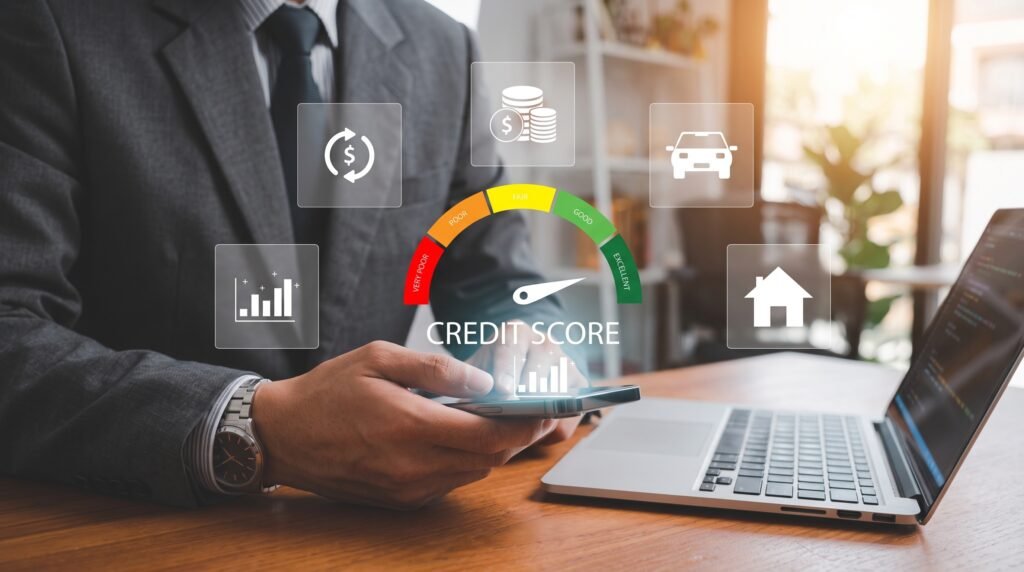
A credit score is a three-digit number based on information in your credit report. It helps lenders evaluate how likely you are to repay borrowed money.
Canadian credit scores generally range from 300 to 900. A higher number normally represents a stronger credit profile, but individual lenders establish their own approval requirements.
Your credit score can change as lenders update information about your accounts, balances and payments. The exact formulas used to calculate scores are not publicly disclosed, and the score you see may differ from the version used by a particular lender.
The Government of Canada provides an overview of credit reports and credit score basics.
Why Credit History Matters in Canada
A credit history shows how you have managed borrowing and repayment over time. It may influence whether a lender approves an application and the interest rate or credit limit it offers.
Credit information may be considered when you apply for:
- A credit card
- A personal loan
- A line of credit
- Vehicle financing
- A mortgage
- Certain rental homes
- Some mobile phone or utility accounts
A limited credit history does not necessarily mean you have managed money poorly. It may simply mean that Canadian credit bureaus do not yet have enough information about you.
Unfortunately, having excellent credit in another country does not automatically create a Canadian credit score. Canadian credit bureaus primarily collect information about credit activity within Canada. Some lenders may consider foreign financial records, but their policies vary.
Understand What Appears in a Credit Report
A credit report contains information about your borrowing and repayment history.
Depending on your financial activity, it may include:
- Credit cards
- Personal loans
- Lines of credit
- Vehicle loans
- Mortgages
- Account balances
- Credit limits
- Payment history
- Missed or late payments
- Accounts sent to collection agencies
- Credit inquiries
- Bankruptcies or certain court decisions
It may also include identifying information such as your name, date of birth, current and previous addresses, employers and telephone numbers.
Your credit report and credit score are related but different. The report contains information about your credit activity, while the score is calculated from information in the report.
Start With One Suitable Credit Product
You do not need several loans or credit cards to begin building a credit history. One account that reports payment activity to a Canadian credit bureau may be enough to get started.
Before applying, ask whether the issuer reports the account to Canada’s credit bureaus. If the account is not reported, using it may not help establish your credit history.
Compare the following features carefully:
| Feature | Why it matters |
| Annual fee | A fee increases the cost of maintaining the account |
| Interest rate | Interest applies when you carry an unpaid balance |
| Credit limit | Affects how much you can borrow and your credit utilization |
| Eligibility requirements | Some products require income or established credit |
| Security deposit | May be required for a secured card |
| Credit bureau reporting | The account must be reported to help build credit |
| Additional fees | Cash advances, late payments and foreign transactions may cost extra |
Avoid applying for a product solely because it advertises easy approval. Read the terms and understand the total cost before accepting it.
Consider a Secured Credit Card
A secured credit card may be an option if you cannot qualify for a traditional unsecured card.
With a secured card, you provide a security deposit to the issuer. The deposit reduces the issuer’s risk and may determine your credit limit. For example, a deposit of $500 might result in a credit limit around the same amount, depending on the issuer’s policy.
A secured credit card is different from a prepaid card. With a prepaid card, you spend money loaded onto the card. With a secured credit card, you are still borrowing money and must pay the bill.
The Financial Consumer Agency of Canada explains that a secured credit card may be suitable for a newcomer with no Canadian credit history.
Before applying, confirm that:
- The issuer reports payments to Canadian credit bureaus
- You understand when the deposit may be returned
- The annual fee is reasonable
- The issuer is legitimate
- You can manage the monthly payments
- You understand what happens if the account is closed
A security deposit does not pay your monthly credit card bill. You must still make the required payments from your own funds.
Use Your Credit Card for Small Purchases
You do not need to make large purchases to establish payment history. A few predictable expenses may be enough.
For example, you could use the card for groceries, public transportation or one recurring household expense. The goal is to create manageable activity that you can repay—not to increase your spending.
Create a rule that you will not charge an amount unless the money to repay it is already available in your budget.
A credit card is borrowed money. It does not increase your income or make an unaffordable purchase affordable.
Pay Every Bill on Time
Payment history is one of the most important factors affecting a Canadian credit score. Late or missed payments can damage your score and remain on your credit report for an extended period.
The safest practice is to pay the full statement balance by the due date. Paying in full generally allows you to avoid interest on ordinary purchases when the applicable grace-period conditions are met.
If you cannot pay the full balance, make at least the required minimum payment by the due date. However, regularly paying only the minimum can result in substantial interest and make the debt take much longer to repay.
To reduce the risk of missing a payment:
- Set a recurring calendar reminder
- Arrange an automatic payment
- Review statements when they arrive
- Keep sufficient money in the payment account
- Update your contact details after moving
Automatic payments can be useful, but you should still review every statement for errors and unauthorized transactions.
If you expect difficulty making a payment, contact the lender before the due date. Ignoring the account will not make the obligation disappear.
Keep Your Credit Utilization Low
Credit utilization compares the amount of credit you are using with the total credit available to you.
Suppose you have a credit card with a $1,000 limit and the reported balance is $250. Your utilization rate on that card is 25%.
The Financial Consumer Agency of Canada recommends trying to use less than 30% of your available credit. Its official guidance on improving a credit score explains that high credit use may cause lenders to view a borrower as a greater risk.
| Credit limit | Balance | Utilization |
| $500 | $100 | 20% |
| $1,000 | $250 | 25% |
| $2,000 | $600 | 30% |
| $3,000 | $2,400 | 80% |
Using close to the full limit can affect your credit profile even if you plan to pay the balance later.
If you have a low starting limit, consider making payments during the month to keep the balance manageable. Do not request a higher limit unless you are confident it will not encourage unnecessary spending.
You Do Not Need to Carry a Balance
A common credit myth is that you must carry debt from one month to the next to improve your score.
Carrying an unpaid balance can result in interest, but it is not necessary for demonstrating responsible credit use. You can use the account, wait for the statement and pay the full statement balance by the due date.
The important behaviours are using the account responsibly, staying within the limit and paying on time.
Paying interest does not prove that you are a better borrower.
Avoid Applying for Too Much Credit
When you submit a credit application, the lender may perform a hard credit inquiry. This type of inquiry appears in your credit report and may affect your score.
One application is unlikely to destroy your credit, but several applications within a short period may suggest that you urgently need borrowed money.
Apply only when:
- You understand the product
- You meet the likely eligibility requirements
- You genuinely need the account
- You can afford the payments and fees
Do not submit applications to numerous lenders simply to see which one approves you.
Checking your own credit report is generally considered a soft inquiry and does not reduce your score.
Keep Older Accounts Open When Practical
The length of your credit history can influence your score. An older account may help demonstrate a longer record of managing credit.
Closing your first credit card can shorten the average age of your open accounts and reduce the amount of credit available to you. That reduction may increase your overall utilization rate.
Keeping an older account may be useful when:
- It does not charge an annual fee
- You can manage it responsibly
- The account is secure
- You monitor it for unauthorized transactions
- Keeping it open does not encourage overspending
You should not keep an unsuitable or expensive account solely for its age. Consider the fees, security risks and your ability to manage it.
Use Different Types of Credit Only When Needed
A mix of credit products may contribute to a stronger credit profile, but newcomers should not borrow unnecessarily to create variety.
Different credit types can include:
- Credit cards
- Personal loans
- Vehicle loans
- Lines of credit
- Mortgages
Do not take out a car loan, personal loan or line of credit merely to improve your credit score. Interest and fees can cost far more than any possible benefit.
Start with one manageable account. Additional credit should serve a real financial purpose and fit within your budget.
Understand What Does Not Normally Build Credit
Not every payment contributes to a conventional credit history.
The following activities may not automatically build a score:
- Using a debit card
- Using cash
- Receiving employment income
- Keeping money in a savings account
- Making prepaid card purchases
- Paying rent directly to a landlord
- Sending money to family
- Paying bills that are not reported to a credit bureau
Some telephone, internet, utility or rental arrangements may appear on a credit report in certain circumstances, but reporting practices vary. Do not assume that an account helps your score without confirming how it is reported.
Although debit and cash purchases do not normally build credit, they can still be valuable for controlling spending and avoiding debt.
Check Your Credit Reports
Canada has two main credit bureaus: Equifax and TransUnion. They may receive different information, so the two reports may not be identical.
The Government of Canada explains how to access your credit reports for free.
Review your reports for:
- Incorrect personal information
- Accounts you do not recognize
- Payments incorrectly marked late
- Closed accounts reported as open
- Incorrect balances or credit limits
- Duplicate accounts
- Credit inquiries you did not authorize
Checking your own report does not harm your credit score.
A new report may initially contain little information. That is normal for someone who has only recently opened a Canadian credit account.
Correct Errors Promptly
An error on your credit report can affect your ability to obtain credit or receive favourable terms.
If you identify an error, collect supporting documents such as statements, payment confirmations or correspondence with the lender. Contact both the lender that supplied the information and the credit bureau displaying the error.
Credit bureaus must correct confirmed errors without charging you. The Government of Canada provides instructions for checking and correcting credit report errors.
Do not pay someone simply to dispute information that is clearly inaccurate. You have the right to challenge errors yourself.
Accurate negative information generally cannot be removed simply because you do not like it. Be cautious of companies that promise to erase legitimate late payments or create a new credit identity.
Protect Your Personal Information
Credit fraud can seriously damage a new credit history.
Protect information such as your:
- Social Insurance Number
- Credit card number
- Card security code
- Personal identification number
- Online banking password
- Credit bureau login details
- Identification documents
Avoid sending sensitive information through unsecured messages. Do not provide remote access to your phone or computer to someone claiming they need it to check your credit.
Review bank and credit card statements regularly. Report unfamiliar transactions promptly to the financial institution.
An unexpected account or inquiry on your credit report may be a warning sign of identity theft.
Be Careful When Co-Signing
A friend or relative may ask you to co-sign a loan, lease or credit product. Co-signing is not simply providing a character reference.
A co-signer may become legally responsible for the debt if the primary borrower does not pay. Missed payments can affect both borrowers’ credit histories.
Before co-signing, make sure you understand:
- The total amount borrowed
- The repayment period
- The monthly payment
- The interest rate
- Whether you could afford the entire debt yourself
- How missed payments would be reported
- Whether and how you could be removed later
Do not co-sign under pressure or because someone promises that you will never have to pay.
How Long Does Building Credit Take?
There is no guaranteed timeline for creating a particular score. Credit bureaus need enough reported information to calculate and update your credit profile.
Your progress will depend on:
- How long your accounts have been open
- Whether payments are made on time
- How much credit you use
- How often you apply for new accounts
- Whether accounts enter collection
- The number and type of reported accounts
- The information held by each credit bureau
A newcomer may begin establishing a record after opening and responsibly using a reported account, but developing a longer, stronger history can take months or years.
Be suspicious of anyone who guarantees a specific score within a few days or weeks.
A Simple Credit-Building Plan
| Period | Recommended action |
| First month | Learn how Canadian credit works and compare suitable account options |
| After approval | Use the account for one or two affordable expenses |
| Every month | Review the statement and pay the full balance by the due date |
| Ongoing | Keep utilization below approximately 30% where possible |
| Every few months | Review your budget and confirm that the account remains manageable |
| Regularly | Check both credit reports for errors or unfamiliar activity |
| Before new applications | Decide whether the additional credit is genuinely necessary |
Consistency is more important than speed. One well-managed account is usually safer than several products that are difficult to track.
Common Credit-Building Mistakes
Spending More to Earn a Better Score
Large purchases do not automatically create a stronger credit history. High balances can increase utilization and make repayment difficult.
Missing a Payment by a Few Days
A late payment may lead to fees, interest or negative reporting. Schedule payments before the deadline whenever possible.
Applying for Several Cards at Once
Multiple hard inquiries in a short period may affect your score and suggest financial pressure.
Using the Entire Credit Limit
A nearly maxed-out account may appear risky, even if you have not exceeded the limit.
Carrying a Balance to Build Credit
You do not need to pay interest to establish a payment history. Paying the statement balance in full is generally the less expensive approach.
Closing the First Account Too Quickly
Closing an older account may shorten your credit history and reduce available credit. Consider the account’s fees and usefulness before closing it.
Believing a Prepaid Card Builds Credit
A prepaid card normally uses money you already loaded onto it. It is different from borrowing through a credit account.
Ignoring Credit Report Errors
Incorrect information can remain unnoticed unless you review your reports.
Frequently Asked Questions
Can a newcomer build credit without a job?
Employment income is not itself part of a credit score, but an issuer may consider income when deciding whether to approve an application. A secured card may be an option for some people with limited Canadian credit history, subject to the issuer’s requirements.
Does foreign credit history transfer to Canada?
Foreign credit history does not generally transfer automatically into Canadian credit bureau files. Some lenders may consider a foreign credit report or an existing international banking relationship, but policies vary.
Does paying rent build a Canadian credit score?
Ordinary rent payments are not always reported to Canadian credit bureaus. Reporting depends on the arrangement and participating organizations. Confirm whether payments will be reported before relying on rent to build credit.
Is a secured credit card the same as a prepaid card?
No. A secured credit card normally requires a deposit but still involves borrowing and monthly repayment. A prepaid card generally lets you spend money previously loaded onto the card.
Should I carry a balance to improve my score?
No. Carrying a balance is not required to build credit and may result in interest. Using the card responsibly and paying the statement balance on time can establish payment history without unnecessary interest.
How much of my credit limit should I use?
The Financial Consumer Agency of Canada recommends trying to use less than 30% of your available credit. Lower utilization can show that you are not relying heavily on borrowed money.
Does checking my credit score lower it?
Checking your own report or score is generally a soft inquiry and does not harm your score. A lender’s credit check during an application may be recorded as a hard inquiry.
Can someone quickly repair my credit score?
No person or company can legitimately guarantee an immediate score increase. Accurate negative information generally cannot be removed simply because you paid a company. Responsible habits and time are the safest ways to build credit.
Note: This article provides general educational information and does not constitute financial, credit or legal advice. Credit scores, approval requirements, reporting practices, fees and results can vary from person to person and between financial institutions and credit bureaus. Rules and available financial products may also change. Review current information from the Financial Consumer Agency of Canada and carefully assess your financial circumstances before applying for credit.