Toronto provides many opportunities to exercise without paying for a private gym membership. Parks, trails, swimming pools, skating rinks, sports courts and community recreation programs make it possible to build an active routine in almost any part of the city.
Learning how to stay active in Toronto is less about finding an expensive facility and more about choosing activities that fit your neighbourhood, schedule, abilities and budget. Walking during your commute, visiting a local pool or following a simple home workout can all contribute to your weekly physical activity.
The best routine is one you can maintain throughout Toronto’s changing seasons.
How Much Physical Activity Do Adults Need?
The Government of Canada recommends that adults get at least 150 minutes of moderate-to-vigorous physical activity each week. Adults are also encouraged to include several hours of light activity and muscle- and bone-strengthening exercises multiple times per week.
Moderate activity raises your heart rate and makes you breathe harder while still allowing you to speak. Brisk walking and relaxed cycling are common examples. Vigorous activity requires greater effort and may make conversation difficult.
The Government of Canada provides more information about physical activity recommendations for adults, children and older adults.
You do not need to complete all your activity during one long workout. Movement can be divided across the week.
| Approach | Example |
| Five-day plan | 30 minutes of activity on five days |
| Daily plan | About 20–25 minutes each day |
| Weekend-focused plan | Longer activities on Saturday and Sunday with shorter weekday walks |
| Short-session plan | Several 10- or 15-minute periods during the day |
Someone who is currently inactive may need to begin with shorter and less intense sessions. Consistency matters more than immediately reaching an ambitious target.
Make Walking Part of Your Daily Routine
Walking is one of the simplest ways to become more active because it does not require a membership or specialized facility.
Toronto residents can add walking to activities they already complete. Consider:
- Walking to a nearby store
- Getting off public transportation one stop earlier
- Taking a walk during lunch
- Using stairs when practical
- Walking while speaking with a friend
- Completing short errands on foot
- Exploring a local park after work
A 15-minute walk to and from a transit station can add 30 minutes of movement to your day without requiring a separate workout.
Choose routes that feel safe and comfortable. Pay attention to traffic, lighting, sidewalk conditions and weather. Wear visible clothing when walking in low light and use footwear appropriate for the season.
Explore Toronto’s Trails
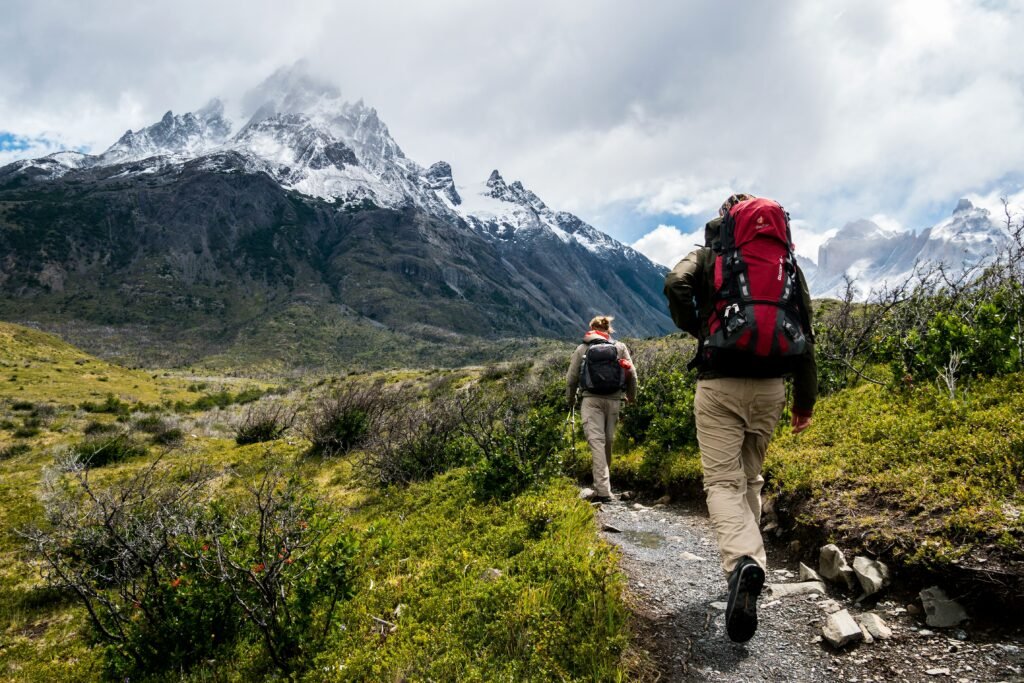
Toronto has an extensive network of multi-use trails used by walkers, runners, cyclists and in-line skaters. Some trails connect with the city’s ravine system and provide a quieter alternative to busy streets.
The City’s official Toronto trails directory can help you explore available routes.
Before visiting an unfamiliar trail, check:
- The distance
- Surface type
- Accessibility
- Elevation
- Available washrooms
- Drinking-water access
- Current conditions
- Where the trail begins and ends
- How you will return home
Begin with a shorter route and increase the distance gradually. A scenic trail can encourage regular movement, but it should not leave you stranded far from transportation or exhausted before the return trip.
Keep to the appropriate side of shared paths and remain aware of cyclists and other users.
Use Toronto’s Outdoor Fitness Equipment
Some Toronto parks contain outdoor exercise equipment, including pull-up bars, stepping equipment, benches and other stations.
The City maintains a list of parks with outdoor fitness equipment.
Available equipment differs by park. Some locations may offer a few basic stations, while others have a larger outdoor exercise area.
A simple park workout might include:
- A brisk walk to warm up
- Bodyweight squats
- Incline push-ups using a bench
- Step-ups
- Assisted pull-up or hanging exercises
- Calf raises
- A gentle walk to cool down
Follow posted instructions and inspect equipment before using it. Avoid a station if it appears damaged, unstable or unsafe.
People who are new to strength exercises should focus on controlled movements rather than completing as many repetitions as possible.
Exercise in a Public Park
A park can serve as a simple exercise space even when it does not have dedicated fitness equipment.
You can use an open area for:
- Walking
- Jogging
- Stretching
- Bodyweight exercises
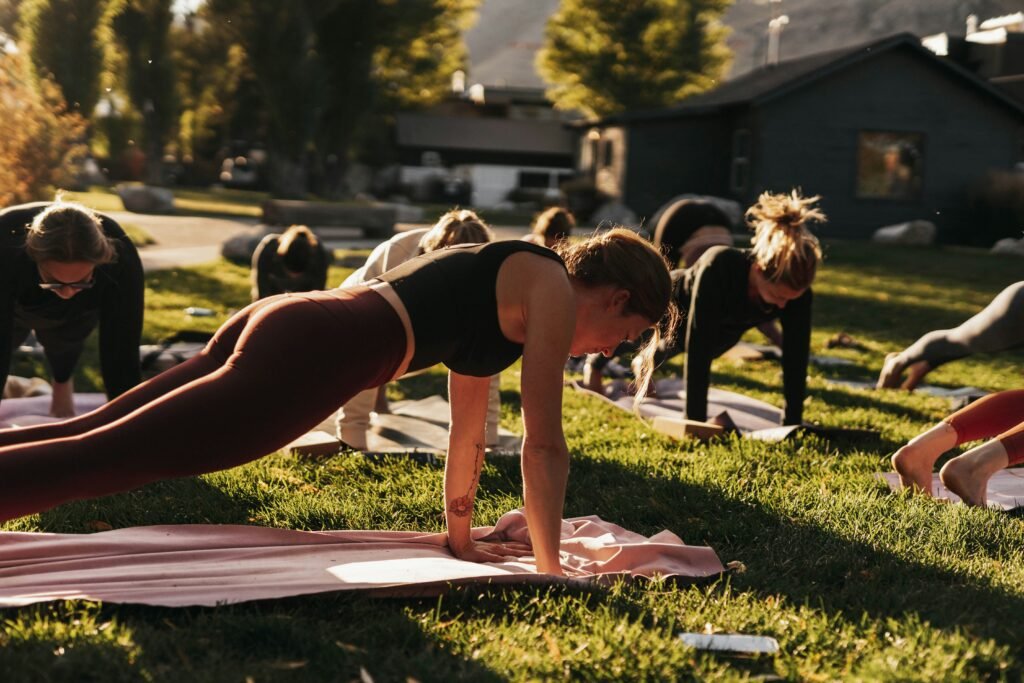
- Yoga
- Tai chi
- Mobility exercises
- Playing with children
- Throwing a ball with a friend
A public bench can support certain modified exercises, but use it respectfully and avoid blocking other visitors.
Bring only the equipment you need. A resistance band, jump rope or exercise mat can provide variety without creating the expense of a home gym.
Remember that parks are shared public spaces. Keep music at a reasonable level and avoid occupying pathways or areas needed by other visitors.
Try Cycling for Transportation and Exercise
Cycling can combine physical activity with transportation. It may be practical for commuting, visiting friends or completing short errands.
New cyclists should begin on quieter streets, multi-use trails or protected cycling infrastructure where available. Plan the route before leaving and avoid choosing the most direct option if a safer alternative is available.
Use a properly fitting helmet and make sure the bicycle is in safe condition. Check the brakes, tires and lights regularly.
Build distance gradually. A route that appears short on a map may feel more difficult because of traffic, hills, weather or repeated stops.
Cycling is not suitable for every trip or every person. Someone who does not feel confident in Toronto traffic can still cycle recreationally in an appropriate park or trail setting.
Visit a Community Recreation Centre
Toronto community recreation centres offer different combinations of swimming pools, weight rooms, gymnasiums, ice rinks and registered programs.
Some activities are free, while others require a drop-in fee, registration payment or membership. The City’s recreation centre listings allow residents to search for facilities and view available activities.
Options may include:
- Lane swimming
- Leisure swimming
- Aquatic fitness
- Basketball
- Badminton
- Pickleball
- Group fitness
- Dance
- Indoor walking
- Older-adult programs
Schedules vary by facility and season. Check the current listing before travelling, particularly for drop-in activities.
Choosing a centre near your home, workplace or regular transit route can make participation more consistent.
Look for Free and Lower-Cost Programs
A limited budget does not have to prevent you from using public recreation facilities.
The City of Toronto provides information about free and lower-cost recreation options. Depending on the facility and program, options may include free drop-in activities, free recreation centres, older-adult discounts and fee assistance for eligible residents.
Some programs fill quickly. Review registration dates in advance and prepare an alternative activity in case your first choice is unavailable.
Do not assume every public activity is free. Confirm:
- Whether registration is required
- The drop-in or program fee
- Age requirements
- Equipment requirements
- Cancellation information
- Whether spaces are limited
A paid City program may still cost less than a private membership, but compare the full cost before registering.
Use Public Swimming Pools
Swimming provides a full-body activity and can be a useful option when outdoor exercise is uncomfortable.
Toronto operates indoor and seasonal outdoor pools. Depending on the location, programming may include lane swimming, leisure swimming and aquatic fitness.
Check the facility’s schedule and confirm whether a fee or reservation is required. Pool schedules can change according to staffing, maintenance, holidays and seasonal programming.
Bring suitable swimwear, a towel and any required equipment. Follow posted pool rules and instructions from lifeguards.
People who are not confident swimmers should remain in an appropriate area and consider formal instruction before attempting more demanding activity.
Go Skating During the Winter
Winter can disrupt an outdoor routine, but it also creates seasonal activity opportunities.
The City of Toronto operates indoor and outdoor skating facilities. According to the City’s drop-in skating information, public drop-in skating programs are free, although schedules and operating conditions vary.
Some locations may provide skate or helmet lending at selected times, but availability should be confirmed before visiting.
Wear properly fitting skates and follow helmet requirements. Beginners should use designated leisure sessions and avoid crowded or high-speed activities until they feel comfortable.
Outdoor rinks can close because of weather or ice conditions, so check the current status before leaving home.
Play Recreational Sports
Recreational sports can provide exercise and social interaction at the same time.
Toronto facilities may include:
- Basketball courts
- Tennis courts
- Pickleball courts
- Soccer fields
- Baseball diamonds
- Cricket pitches
- Volleyball spaces
- Table-tennis areas
- Disc-golf courses
The City’s parks and recreation facility listings allow users to filter locations by available amenities.
Ask friends, relatives, neighbours or coworkers whether they would like to meet regularly for a casual activity. You do not need enough people to create a formal team. Two people can play tennis, badminton or practise throwing a ball.
Check whether a court or field requires a permit or reservation. Respect any scheduled users and local facility rules.
Exercise at Home
Home workouts are useful when the weather is poor, travel time is limited or public facilities are closed.
You can build a basic routine without purchasing large equipment.
A beginner session might include:
| Exercise | Suggested approach |
| Marching in place | Begin with several comfortable minutes |
| Chair squats | Use a stable chair for support |
| Wall push-ups | Adjust your distance from the wall |
| Glute bridges | Use a stable, comfortable floor surface |
| Standing calf raises | Hold a chair for balance if needed |
| Bird-dog movements | Move slowly and keep control |
| Gentle stretching | Avoid forcing painful positions |
Choose a safe area without loose rugs, sharp furniture or other obstacles. Stop an exercise that causes pain, dizziness or unusual discomfort.
Online exercise content varies in quality. Avoid following advanced routines simply because they promise rapid results. Match the activity to your current ability.
Add Movement to the Workday
A desk-based job can involve long periods of sitting. Short movement breaks can reduce the amount of uninterrupted sedentary time.
Possible options include:
- Standing while taking a telephone call
- Walking during part of your lunch break
- Using stairs for a few floors
- Refilling water regularly
- Stretching between tasks
- Walking to speak with a coworker
- Scheduling brief movement reminders
- Completing some meetings while walking when appropriate
These short periods do not have to replace structured physical activity. They help make movement a normal part of the day.
Remote workers should be especially deliberate because they may no longer walk to transit, move between meeting rooms or leave the home for lunch.
Build Activity Into Your Commute
A commute can provide regular activity without requiring more space in your calendar.
Examples include:
- Walking to a more distant transit stop
- Walking one section of the route
- Cycling part or all of the trip
- Taking stairs at stations when safe
- Parking farther from the workplace
- Completing an errand on foot during the return journey
Choose a realistic adjustment. Adding an hour of walking to an already demanding commute may not be sustainable. An additional 10 or 15 minutes may be easier to maintain.
Prepare for weather and bring appropriate footwear if work clothing is unsuitable for walking.
Create a Winter Activity Plan
Many Toronto residents are active during spring and summer but lose their routine when temperatures drop.
Prepare indoor and winter alternatives before the weather changes.
| Warm-weather activity | Winter alternative |
| Outdoor cycling | Indoor stationary cycling where available |
| Long park walk | Indoor walking at a recreation facility |
| Outdoor fitness equipment | Home strength routine |
| Outdoor swimming | Indoor pool |
| Tennis | Badminton or pickleball |
| Running | Skating or indoor cardio |
| Outdoor yoga | Home mobility session |
Winter walking can remain possible, but conditions may include ice, snow, poor visibility and extreme cold. Wear suitable layers and footwear with appropriate traction. Shorten or change the route when conditions are unsafe.
Missing an outdoor session because of dangerous weather is a sensible decision, not a failure.
Make Activity Social
Exercise can be easier to maintain when another person expects you to attend.
Invite a friend, neighbour or coworker to:
- Walk after dinner
- Visit a trail
- Swim together
- Attend a drop-in activity
- Skate during winter
- Play a recreational sport
- Complete a park workout
Keep the activity suitable for both people. A social walk should not become a competition unless everyone wants that.
A recurring time, such as Sunday morning or one evening after work, can make planning easier.
Choose Activities You Actually Enjoy
A routine based entirely on activities you dislike is difficult to sustain.
Physical activity does not have to mean running, lifting weights or completing formal workouts. Dancing, gardening, swimming, playing with children and exploring neighbourhoods on foot can all involve movement.
Ask yourself:
- Do I prefer individual or group activities?
- Do I enjoy being indoors or outdoors?
- Do I want structured instruction?
- Would competition motivate or discourage me?
- How far am I willing to travel?
- What can I afford?
- Which activities fit my current ability?
Trying several low-cost activities can help you discover what feels realistic.
Avoid the All-or-Nothing Approach
Missing one planned activity does not ruin the week. Replace it when possible or continue with the next scheduled session.
A short walk is still valuable when you do not have time for a long workout. A gentle routine may be appropriate when your energy is lower.
Avoid increasing exercise too quickly after a long period of inactivity. Doing too much can create extreme soreness, discouragement or injury.
Progress may involve:
- Walking slightly farther
- Adding a few minutes
- Increasing resistance gradually
- Attending one more session per week
- Improving technique
- Taking fewer long sitting periods
The goal is to build a lasting routine rather than prove how much you can do during one week.
A Sample No-Gym Weekly Activity Plan
The following example shows how someone could distribute activity throughout the week without joining a private gym.
| Day | Activity | Approximate time |
| Monday | Brisk walk during lunch | 25 minutes |
| Tuesday | Home strength exercises | 25 minutes |
| Wednesday | Walk part of the commute | 30 minutes |
| Thursday | Community-centre swim | 30 minutes |
| Friday | Gentle mobility and stretching | 20 minutes |
| Saturday | Trail walk or cycling | 45 minutes |
| Sunday | Recreational activity with a friend | 30 minutes |
The schedule can be adjusted for work hours, caregiving responsibilities, health needs and weather.
Rest days are also important. More activity is not always better when the body has not had time to recover.
Stay Safe While Exercising Outdoors
Toronto’s public spaces are shared environments. Basic planning can reduce risk.
Consider:
- Checking the weather
- Carrying water
- Wearing suitable footwear
- Using reflective clothing in low light
- Staying aware of traffic
- Following trail and facility signs
- Letting someone know your route
- Keeping valuables secure
- Avoiding isolated areas when conditions feel unsafe
- Carrying necessary medication
Cyclists, runners, pedestrians and in-line skaters may share the same trail. Remain predictable, keep to the appropriate side and give other users room.
People with health conditions, injuries, pregnancy-related considerations or long periods of inactivity may benefit from speaking with an appropriate healthcare professional before beginning a demanding program.
Frequently Asked Questions
Can I stay active in Toronto without paying for a gym?
Yes. Walking, trails, parks, outdoor fitness equipment, home workouts, public skating and certain recreation programs can provide free or lower-cost ways to exercise.
How much exercise should an adult get each week?
Canadian recommendations generally encourage adults to get at least 150 minutes of moderate-to-vigorous physical activity per week, along with light movement and strengthening activities.
Are Toronto community centres free?
Some facilities and drop-in activities are free, while others charge fees or require registration. Check the current schedule and price for the specific location and program.
Is public skating free in Toronto?
City-operated drop-in skating programs are generally free, but schedules, helmet rules, equipment availability and operating conditions vary by location.
Where can I find outdoor fitness equipment in Toronto?
The City of Toronto maintains an online list of parks containing outdoor exercise equipment. The type and amount of equipment differ between locations.
What can I do during a Toronto winter?
Indoor swimming, home workouts, community recreation, indoor walking and seasonal skating can help maintain an active routine. Outdoor walking may also be possible when weather and surface conditions are safe.
Does walking count as physical activity?
Brisk walking can count as moderate physical activity when it noticeably increases your breathing and heart rate. Slower walking also adds useful light movement to the day.
How can I exercise with a limited budget?
Start with walking, home exercises and public spaces. Review free City drop-in activities and determine whether you qualify for recreation fee assistance.
Note: This article provides general lifestyle and physical-activity information and is not medical advice. Appropriate exercises, intensity levels and safety considerations vary according to age, health, fitness level, disability, pregnancy, injuries and personal circumstances. City facilities, fees, schedules and eligibility requirements may also change. Confirm current information with the City of Toronto and consult an appropriate healthcare professional before beginning a new exercise program when necessary.