
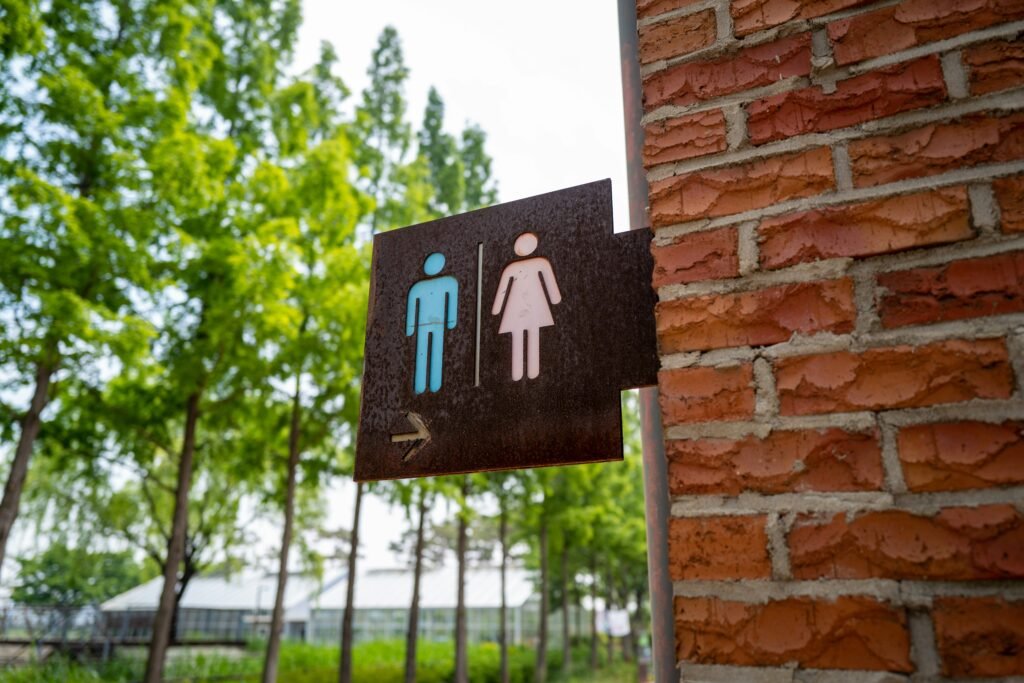
Finding a public washroom in Toronto can be surprisingly difficult. A facility may appear on a map but operate only during warm weather. A park washroom may be closed for repairs, while a washroom inside a library or community centre is available only when the building is open.
This uncertainty affects more than convenience. Reliable washroom access matters to families with young children, older adults, pregnant people, delivery workers, people with disabilities and anyone managing a health condition.
The City now provides an interactive map showing Toronto public washrooms and drinking-water facilities. Using the map effectively requires checking the facility type, operating status, hours and available accessibility information rather than assuming every marker represents immediate access.
Use Toronto’s Official Washroom Map
The City’s Washrooms and Drinking Water Map is the best starting point for locating a municipal facility.
The map includes washrooms in parks and other City-operated locations. Each listing may provide a status, link, facility details or operating information. Where accessibility data is available, users can filter locations by listed features.
Do not rely only on the distance between your location and the nearest map marker. Open the individual listing and check:
- Whether the facility is seasonal or year-round
- Its current operating status
- The opening and closing hours
- Whether it is located inside another building
- Any listed accessibility features
- Whether repairs or another temporary closure are noted
The map is useful for planning, but conditions can change after the information was last updated. If a washroom is essential to your outing, identify a second location nearby.
Year-Round and Seasonal Washrooms Are Different
Toronto’s public washroom network includes both year-round and seasonal facilities.
Year-round washrooms are designed or equipped to remain operational during colder weather. Seasonal facilities generally close before freezing conditions and reopen in spring after water lines, fixtures and other equipment have been inspected.
A washroom building that remains physically present in a park may therefore be locked throughout winter. Its presence does not mean it is available.
Opening and closing dates can also vary according to weather, required repairs and the time needed to activate plumbing. The City usually opens most seasonal park washrooms during spring and closes them later in the year as freezing temperatures approach.
Check the current map instead of relying on the facility being open during a previous visit.
Toronto Is Expanding Year-Round Access
Toronto has been upgrading and replacing park washrooms to improve year-round availability and accessibility.
In May 2026, the City reported that it had invested in upgrading 125 park washrooms from seasonal to year-round use and added 16 new public washrooms at locations that included Allan Gardens, Biidaasige Park and Centennial Park.
Additional projects are being planned through the City’s Park Washroom Enhancement Program. Depending on the location, the work may involve a prefabricated facility, major renovation or complete rebuild.
An upgrade announcement does not guarantee that construction is finished. Check the status of the individual facility before travelling to it.
Washrooms Inside Libraries and Community Centres
A Toronto Public Library branch or community recreation centre can provide a useful washroom stop, particularly in areas without standalone street facilities.
Access depends on the building’s operating hours. Libraries may close earlier on certain days, and community centres can have different weekend, holiday or program schedules. A building may also close temporarily for maintenance.
Search for the specific location and check its hours before including it in a route. Arriving shortly before closing may not leave enough time to use the facility.
Washrooms inside civic buildings, arenas, pools and recreation centres are generally intended for people using or visiting the building. Follow staff directions, posted access rules and any temporary restrictions.
Park and Beach Washrooms
Washrooms near beaches, sports fields and destination parks experience especially high demand during summer.
A beach washroom may be seasonal even when the park itself remains open throughout the year. Opening hours can also differ from lifeguard supervision, parking access or other park services.
Special events can increase lineups and sometimes affect access routes. Before attending a festival, picnic or large gathering, identify more than one facility and avoid waiting until the need becomes urgent.
People planning longer walks should check washroom access alongside trail conditions, weather and daylight. Our Toronto ravine trails safety guide explains other precautions for exploring routes where services may be limited.
Automated Public Washrooms
Toronto has a small number of automated public washrooms installed within the street-furniture network.
These standalone units are designed to offer barrier-free access and privacy. However, operating seasons and current availability can vary. A unit that appears in an older article, online review or map result may not be open when you arrive.
Use the City’s current map or contact 311 to confirm its status. Do not plan an entire route around an automated washroom without identifying another nearby option.
What Does “Universal Washroom” Mean?
A universal washroom is designed to provide additional space and features for a broader range of users.
The City’s map describes listed universal washrooms as including space for a larger mobility device, an adult change table, a powered door opener and an emergency call system.
This is more specific than a general accessible stall. The presence of a wheelchair-accessible symbol does not automatically confirm every feature a person may require.
Accessibility information may not be complete for every mapped location. Anyone who needs a specific feature should check the facility listing or contact the location before travelling.
Useful details to confirm include:
- Step-free access from the street or path
- Door width and powered entry
- Grab bars and transfer space
- Adult or child change tables
- The location of the washroom within the building
- Whether an elevator is required
- Whether the accessible stall is currently operational
Reporting missing or inaccurate accessibility information can help the City improve both the facility and its public listing.
Planning for Medical and Accessibility Needs
Some people cannot safely wait for the next convenient washroom. Conditions affecting the bladder, bowel, mobility or medication schedule can make reliable access essential.
Plan around facilities with confirmed hours and identify backups. Indoor civic buildings are often more dependable during winter, although they are not open around the clock.
Carrying a small personal kit can also make an unfamiliar facility easier to use. Depending on individual needs, it might include hand sanitizer, tissues, wipes, spare clothing or medical supplies.
A medical need does not guarantee access to every private staff or customer washroom. It is safer to plan around confirmed public facilities than to depend on a business making an exception.
Public Washroom Access for Families
Parents and caregivers should check whether a facility has a change table and enough space for a stroller. These features are not available at every location.
A change table may be located in only one gendered washroom or in a separate universal washroom. The City map can provide some accessibility information, but calling the facility may be necessary when a particular feature is essential.
Encourage children to use a washroom before beginning a long trail, ferry lineup or outdoor event. A mapped facility at the destination may still have a queue or temporary closure.
For a full-day outing, place washroom stops at the beginning, middle and end of the route rather than relying on a single location.
Winter Washroom Planning
Winter creates the greatest difference between a washroom shown on an old map and one that is actually open.
Seasonal plumbing can be damaged by freezing temperatures, so many park facilities close for the colder months. Outdoor rink washrooms may offer alternatives during skating season, but their availability can depend on rink operations.
Libraries, community centres, civic buildings and confirmed year-round park facilities are generally more practical winter options.
Cold weather can also make a longer walk to a backup facility difficult for children, older adults and people with limited mobility. Check the route itself, not only the distance shown on a map.
Can You Depend on a Restaurant or Store?
A business washroom is not the same as a municipal public washroom.
Restaurants, cafés and stores may limit access to customers, keep washrooms locked or close them temporarily. Smaller businesses may not have a washroom available to the public at all.
Employees can also restrict access because of cleaning, repairs, safety concerns or store policy. Asking politely may work, but a private business should not be treated as a guaranteed part of your plan.
Purchasing an item does not always guarantee washroom access. Look for signage or ask before ordering if the washroom is the main reason for entering.
What to Do When a Washroom Is Locked
A locked washroom does not always mean the facility has been permanently closed.
You may have arrived outside its operating hours. A seasonal closure, plumbing failure, vandalism, staffing issue or cleaning period could also explain the situation.
First, check the hours and status shown on the City map or the facility’s own page. Look for a notice on the door explaining the closure.
If the washroom should be open and no explanation is provided, record the facility name, park or street address, date and time. This information will make a report more useful.
Do not force the door or enter a closed construction area.
Reporting Cleanliness and Maintenance Problems
City-operated washroom problems can be reported through 311 Toronto. The service operates 24 hours a day and can assist in more than 180 languages.
Reports may involve:
- A facility locked during its posted hours
- No running water
- A blocked or overflowing toilet
- Missing soap or toilet paper
- Broken doors, locks or fixtures
- Dangerous debris
- Serious cleanliness problems
- A damaged accessibility feature
- An emergency call system that does not work
Provide the exact location. A park may contain several washroom buildings, so include the nearest entrance, sports field, playground, path or intersection when possible.
Photographs can help document physical damage or a posted closure, but do not photograph people inside or around the washroom.
Residents can submit eligible concerns through the City’s online service-request system or 311 mobile app. Calling 311 is useful when the correct request category is unclear.
Reporting Accessibility Barriers
An accessible washroom is not meaningfully available when the powered door is broken, the approach is blocked or the stall is being used for storage.
Describe the specific barrier rather than reporting only that the washroom is “not accessible.” Mention whether the issue involves the entrance, route, door, stall, grab bars, change table or another feature.
If the map lists a feature that is not present, include that discrepancy in the report. Accurate descriptions help staff determine whether the problem involves maintenance, signage or online information.
A request number allows you to track the report and follow up if the issue continues.
When the Problem Requires Immediate Help
Call 911 for a medical emergency, fire, immediate threat or dangerous situation requiring emergency responders.
A broken fixture, dirty facility or ordinary closure should normally go through 311. Do not use an emergency line simply because a public washroom is unavailable.
If a person appears to be in medical distress inside a washroom, seek help rather than assuming they are sleeping or occupying the facility unnecessarily.
Create a Reliable Washroom Route
A useful route includes more than the nearest map marker. It accounts for building hours, seasonal status, accessibility requirements and an alternative location.
Before leaving, save the addresses of two or three suitable facilities. Recheck the map on the day of the outing, particularly during winter, holidays or major events.
Toronto’s public-washroom network is changing as facilities are renovated and converted for year-round use. Reporting inaccurate information and maintenance problems helps make that network more dependable for everyone who relies on it.
Note: Washroom hours, seasonal status and accessibility features can change without notice. Confirm important access requirements through the City’s current map, the individual facility or 311 Toronto before travelling.