Toronto community garden waitlists can be discouraging. You find a garden close to home, send a message and imagine spending the growing season there—then receive no reply. If you live in an apartment without a yard, it may feel as though the season is passing before you have even planted anything.
The first thing to check is whether you are looking for the right kind of space. Toronto’s community gardens and allotment gardens work differently. Once you know which one matches your goal, you can make a more focused request and find other ways to participate while waiting.
Community Garden or Allotment Plot?
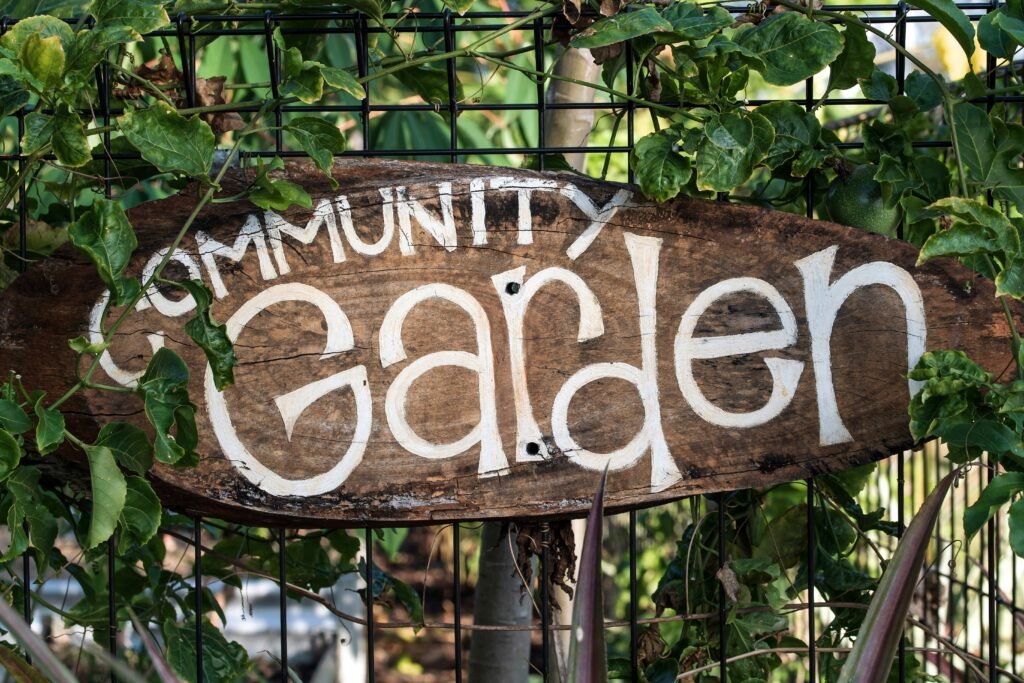
A community garden is generally a shared space managed by a neighbourhood group or organization. Participants may maintain individual beds, work together on common areas or grow produce for community use. Arrangements vary by garden.
The City of Toronto says its park-based community gardens are places to grow food, flowers and native plants together. Some maintain collective plots and donate harvests to community food organizations.
An allotment is a different option for someone who primarily wants a plot to grow vegetables or flowers for personal use. The City manages its allotment plots and gardens and says demand is high.
This distinction matters. If your goal is to meet neighbours and contribute to a shared project, a community garden may suit you even without an individual bed. If you want a dedicated space for your own crops, check the allotment process as well.
Start With a Garden You Can Reach Regularly
A garden that requires a long trip may look appealing when you apply, but growing takes repeated visits. Plants need attention in hot weather, and community workdays may take place at specific times.
Use the City’s community garden list to identify spaces near your home, work or usual transit route. Consider how you would get there carrying a small amount of produce or supplies. Ask whether the garden has a water source and shared tools before buying equipment.
It is reasonable to contact more than one garden. Keep a simple record of the garden name, contact method, date of your message and any response. That prevents you from repeatedly contacting the same person while overlooking another nearby opportunity.
Send a Useful First Message
A short, specific introduction gives a coordinator something they can act on. Say where you live, what type of participation you are seeking and whether you can help with shared tasks.
For example, you could write:
Hello, I live near your garden and would like to get involved this season. Do you accept new volunteers or maintain a waitlist for growing space? I can help with watering and shared garden work. Please let me know the best way to apply.
Do not present volunteering as a tactic to jump ahead of other people waiting for plots. Offer help only if you genuinely have the time and interest.
If there is no response, follow up once through the listed contact channel. Gardens are often coordinated by community members, and a delayed reply does not necessarily mean your request was rejected. If you still cannot reach anyone, the City’s community garden page directs interested residents to the Supervisor of the Community Gardens Program.
Ask What “Waitlist” Means at That Garden
A place on a waitlist may mean different things. Some gardens have individual beds; others allocate shared work rather than private plots. Membership, volunteer participation and access to growing space may also be handled separately.
Before joining a list, ask whether it is for a dedicated plot, general membership or volunteer opportunities. Find out whether you need to reapply in a later season and how the garden contacts people when space becomes available.
Avoid assuming a plot will open by a particular month unless the coordinator gives you a clear timeline. Make a growing plan you can use even if no space opens this year.
Explore the City’s Allotment Waitlist Separately
If you want a plot for personal growing, review Toronto’s allotment program instead of relying only on community garden messages.
The City lists outdoor allotment locations in different parts of Toronto and an indoor greenhouse allotment. It also provides information on joining the waitlist. Locations, access and growing seasons differ, so read the details for a site before choosing it.
A plot farther from home is not automatically the better option simply because it may have availability. Consider the travel time you could sustain throughout the season, including during summer heat.
Community garden inquiries and allotment applications are separate processes. Being interested in one does not automatically put you on the other’s waitlist.
Volunteer Without Taking a Plot
If the social side of gardening appeals to you, ask whether you can take part in shared workdays while waiting for an individual space. A garden may need help preparing beds, watering, weeding, maintaining paths or cleaning up at the end of the season.
Confirm who can volunteer and whether advance registration, orientation or supervision is required. Do not enter a fenced garden or start working in a bed without permission, even if it appears neglected.
Volunteering can help you learn what maintaining a garden actually involves. It can also introduce you to neighbours without requiring you to take responsibility for a plot before you are ready.
For other ways to spend time together in the city, TorontoBlog.ca’s guide to Toronto date nights without dinner or drinks includes community volunteering among its activity ideas.
Ask About Other Neighbourhood Growing Spaces
Not every growing project is a City park-based community garden. Depending on your neighbourhood, a school, community centre, faith organization, housing provider or local nonprofit may manage a garden with its own participation rules.
A nearby space should not be assumed to be open to the public. Ask the organization directly whether it accepts neighbourhood volunteers, who can use the beds and whether participants may take home produce.
Some projects focus on teaching, food donation, pollinator habitat or maintaining shared green space rather than assigning plots. Choose an activity that matches what you want to do, instead of joining a project under the impression that it will eventually provide a private garden bed.
Grow Something Small This Season
A waitlist does not have to postpone every growing experiment. If your home has suitable light, a small number of containers can help you learn about watering, temperature and plant care before you take on a plot.
Choose the growing space before buying plants. A sunny balcony, a bright windowsill and a shaded outdoor area offer different conditions. Check your lease or condominium rules before putting containers on a balcony, railing or shared outdoor area.
Start with a manageable number of plants rather than trying to replace an entire garden. Herbs or compact varieties may be more practical in limited space, but even a small plant needs an appropriate container, drainage and regular attention.
If growing at home is not possible, volunteering at an approved garden can provide hands-on experience without requiring you to store soil and equipment in an apartment.
Starting a New Garden Is a Larger Project
When local gardens are full, starting one may seem like the obvious answer. It is possible, but it requires more than finding an unused-looking patch of park.
For a proposed community garden in a City park, Toronto says applicants need a group of at least five residents responsible for upkeep, one or two coordinators, a potential site, a design and a maintenance plan. The City must assess the location and approve the proposal. No gardening can begin in the park merely because a group has proposed the site.
If you do not yet know enough neighbours to form a group, begin by building connections through existing community activities. If a committed group develops, review the City’s requirements for starting a community garden before spending money on plans or materials.
Starting a garden is an ongoing community responsibility, not a quick route around a waitlist.
Make a Plan for the Next Growing Season
If this year’s options are limited, use the time to learn which gardens are active, when they accept inquiries and what kind of participation they offer. Keep your contact details current with any coordinator who has confirmed you are on a list.
You can also decide what you would realistically grow. Think about available time, transportation, the amount of produce your household would use and whether you would enjoy shared garden work. That makes it easier to accept the right opportunity if one becomes available.
Toronto community garden waitlists are a real obstacle, but they are not the only path into neighbourhood gardening. The right next step might be an allotment inquiry, an approved volunteer role or a few containers at home. Each offers a different benefit—and none requires putting your interest in growing on hold.
Note: Garden membership, waitlists, volunteer opportunities and allotment availability can change. Confirm current arrangements with the City of Toronto or the organization managing the specific garden before visiting, applying or purchasing supplies.