
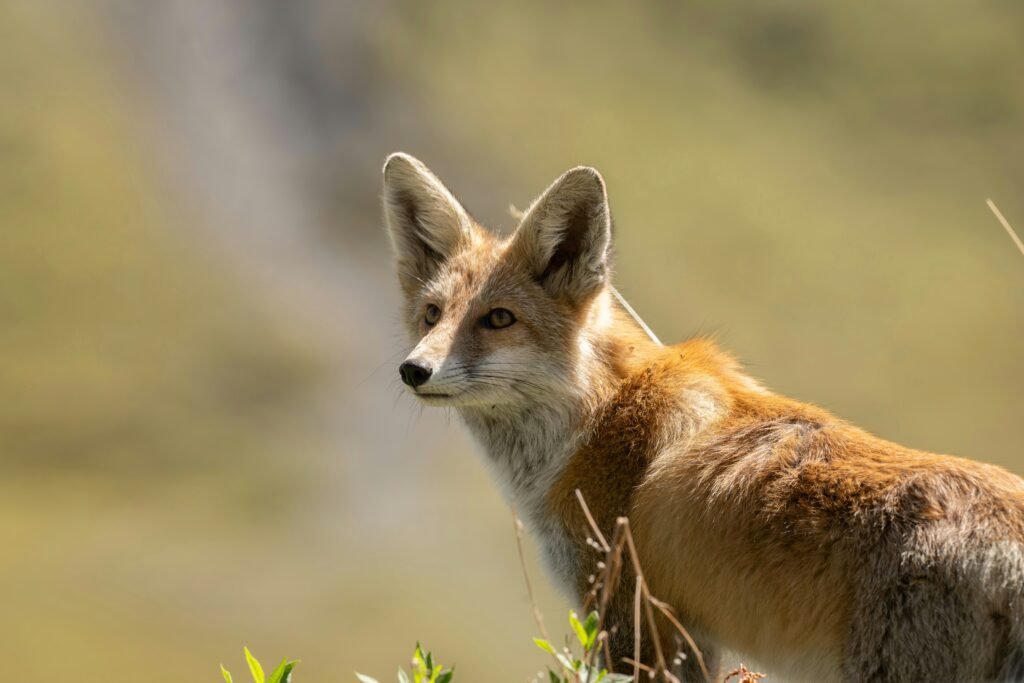
Toronto coyote encounters can happen in ravines, parks, residential streets and even busy neighbourhoods. Seeing one does not necessarily mean that it is aggressive or lost. Coyotes have adapted to urban environments, and many move through the city while searching for food, shelter or a route between natural areas. Residents should still know how to respond, especially when children or pets are nearby.
Why Coyotes Appear in Toronto Neighbourhoods
Toronto’s network of ravines, river valleys, parks, hydro corridors and railway lands gives wildlife connected routes through the city. Coyotes may leave those spaces when following prey, investigating food smells or travelling between territories.
Sightings can also become more noticeable during periods when coyotes are searching for mates, raising pups or teaching young animals to find food. A coyote seen during daylight is not automatically sick or dangerous. Its behaviour and proximity to people matter more than the time of day.
Human food sources can encourage coyotes to spend more time near homes. Common attractants include unsecured garbage, outdoor pet food, overflowing waste containers, compost, fallen fruit and food deliberately left for wildlife.
Reading the Coyote’s Behaviour
A coyote crossing a trail and continuing into vegetation usually requires space rather than intervention. Stop, keep children and pets close, and allow it to move away.
More concerning behaviour may include:
- Repeatedly approaching people
- Following a person or dog
- Refusing to leave after active hazing
- Lunging, snapping or showing other threatening behaviour
- Remaining near playgrounds or busy entrances
- Appearing severely injured, disoriented or unable to move normally
- Entering an enclosed yard while people are present
Do not approach simply to obtain a clearer photograph. Distance makes it easier for the animal to leave and reduces the possibility of turning a routine sighting into a confrontation.
Toronto Coyote Encounters on Foot
If a coyote remains nearby, face it and make yourself noticeable. Stand upright, raise your arms, use a firm voice and create noise. The purpose is to communicate that people are not a source of food and should not be approached.
Back away slowly once the animal begins to retreat. Do not turn and run because running can trigger pursuit behaviour. Avoid crouching, which makes you appear smaller and brings your face closer to the animal’s level.
You can use a whistle, clap your hands or shake an object that produces noise. Continue until the coyote creates meaningful distance rather than stopping as soon as it takes one step back.
If the animal is cornered, leave it a clear escape route. Hazing should encourage departure, not trap or injure it.
What Parents Should Teach Children
Young children may not know whether an unfamiliar animal is a dog. Explain that coyotes should never be approached, followed or fed.
Children who are old enough to walk independently can learn a simple response:
- Stop instead of running
- Stand tall and face the animal
- Use a loud voice
- Move toward a trusted adult
- Report the sighting immediately
Small children should be picked up without bending toward the coyote for longer than necessary. An adult should remain facing the animal while leaving the area.
Families visiting ravines or large parks can agree on a meeting point before separating. Children should also understand that a den, pup or animal carcass must not be touched.
Protecting Dogs During Toronto Coyote Encounters
A dog may bark, pull toward a coyote or attempt to chase it. Shortening the leash gives the owner more control and prevents the dog from closing the distance.
Keep the dog beside or behind you while facing the coyote. Leave the area calmly after the animal moves away. Retractable leashes may provide too much distance in places where visibility is limited, such as wooded trails or paths bordered by tall vegetation.
Owners of small dogs should be particularly cautious around dawn, dusk and nighttime, when wildlife may be more active. Before entering a yard, turn on the lights and inspect the area. Accompanying a small dog is safer than opening the door and leaving it outside unattended.
A larger dog is not automatically protected. Coyotes may respond defensively if a dog approaches a den, pup or food source. Keep dogs on designated paths and respect leash requirements.
Off-Leash Areas Still Require Attention
An off-leash designation does not remove wildlife risk. Check the surrounding area before releasing a dog, especially near ravines, wooded boundaries or gaps in fencing.
Recall training can help, but it should not be the only precaution. A highly stimulated dog may ignore a familiar command after seeing wildlife. Bring a standard leash and remain close enough to intervene.
If a coyote is inside or beside an off-leash area, leash the dog and leave. Do not allow a group of dogs to chase it. Aside from creating risk for the animals, chasing may push the coyote toward roads, homes or other park users.
Cats and Backyard Risk
Outdoor cats can be vulnerable because they roam without direct supervision and may enter spaces used by coyotes. Keeping cats indoors, using an enclosed outdoor structure or supervising outdoor time reduces exposure.
A fence may discourage casual entry but should not be treated as complete protection. Coyotes can climb, jump and use nearby objects to gain access. Remove food and water bowls after use, close gaps around sheds and avoid allowing vegetation to become dense enough to create concealed resting areas.
Residents with backyard chickens or other small animals need secure enclosures with protected roofs, sturdy walls and barriers against digging. Lightweight wire intended only to keep animals inside may not keep wildlife out.
Removing Food Attractants
Hazing has limited value if the same property provides a dependable meal. Look beyond obvious food bowls when checking the area.
Possible attractants include:
- Garbage stored in damaged or open containers
- Birdseed collecting beneath feeders
- Fruit left on the ground
- Grease or food residue around barbecues
- Compost containing accessible food
- Rodents attracted by clutter or spilled seed
- Bags of pet food kept in a garage or shed
- Food placed outside for stray animals
Feeding a coyote directly can cause it to associate people with food. Indirect feeding can produce the same result even when the resident never sees the animal eating.
Neighbours may need to address attractants together. One unsecured waste area can continue drawing wildlife even when surrounding households have made changes.
Encounters Near Dens or Pups
A coyote that follows a dog walker for a short distance may be protecting a den rather than hunting the dog. This is more likely when the behaviour occurs repeatedly along the same trail or near a concealed natural area.
Leave promptly and choose another route for the time being. Do not search for the den or attempt to photograph pups. Revealing its location can attract additional visitors and increase stress on the animals.
Report repeated defensive behaviour in a busy public area so the City can assess whether warnings, outreach or another response is appropriate. Include the location, time and direction in which the coyote travelled.
What Not to Do During an Encounter
Do not throw food to distract the animal. Although it may create a temporary opportunity to leave, it rewards the coyote for approaching a person.
Do not surround, chase or injure it. A coyote that cannot find an escape route may behave defensively. Vehicles should not follow wildlife along a street merely to obtain photographs.
Avoid allowing a dog to confront the animal. Even if the coyote retreats, the dog may pursue it into traffic, vegetation or a denning area.
Residents should never touch a coyote that appears tame, sick, injured or dead. Contact the appropriate authorities and keep other people and animals away.
Reporting Toronto Coyote Encounters
The City of Toronto directs residents to report sightings and encounters through 311. Reporting is particularly useful when the animal approaches people, follows pets, displays unusual behaviour or repeatedly appears in the same high-use location.
A helpful report contains specific observations rather than assumptions. Include:
- The precise location or nearest intersection
- The date and approximate time
- The number of coyotes observed
- The direction of travel
- The distance between the animal and people
- Whether a dog or food source was present
- What happened when the animal was hazed
- Any signs of injury or illness
Photos or video may help when they can be captured from a safe distance. Do not move closer or delay leaving in order to collect evidence.
Current guidance and contact information are available on the City’s official coyote information page.
Call 911 when there is an immediate threat to human safety. If a person has been bitten or scratched, seek medical attention promptly and provide responders with accurate details about the incident.
When a Pet Has Been Injured
Move away from the coyote before examining the pet. An injured animal may bite from fear or pain, so handle it carefully and contact a veterinarian.
Even a wound that appears small can require professional attention. Record the encounter location and report the incident to 311. If transportation is difficult, our guide to Toronto pet emergencies without a car can help residents create a backup travel plan before urgent care is needed.
Do not attempt to capture the coyote or determine its health status yourself. Leave that assessment to trained responders.
Sharing Sightings Responsibly
Neighbourhood groups can help residents recognize patterns, but social-media reports should be factual. Include the general area and time without encouraging people to visit the location.
Avoid describing every sighting as an attack or infestation. Exaggerated posts can create unnecessary fear, while vague warnings provide little practical value. Explain what the animal did, how close it came and whether it responded to hazing.
Be cautious about publicly identifying an exact den location. Increased foot traffic, photographers and off-leash dogs can create additional conflict around the site.
Making Parks Less Attractive to Coyotes
Residents cannot remove every natural food source, nor should they expect wildlife to disappear from an urban ecosystem. The realistic goal is to prevent coyotes from becoming comfortable approaching people.
Park users can contribute by:
- Taking food waste home when bins are full
- Following leash and trail rules
- Not feeding wildlife
- Reporting damaged waste containers
- Avoiding known denning areas
- Discouraging close approaches consistently
- Asking others not to leave pet food outdoors
Consistent behaviour matters across the community. If one person feeds a coyote while others haze it, the animal receives conflicting signals and may continue approaching people.
Living Alongside Toronto’s Urban Wildlife
Coyotes are part of Toronto’s urban environment, but coexistence does not require close interaction. Residents can appreciate wildlife while maintaining distance, controlling pets and removing artificial food sources.
Knowing the difference between an ordinary sighting and a dangerous encounter also helps the City receive more useful reports. Calm action protects residents without encouraging harmful or unnecessary contact with the animal.
Note: This article provides general safety information. Follow current City of Toronto instructions and contact 311 about coyote sightings or concerning behaviour. Call 911 if there is an immediate threat to human safety.