
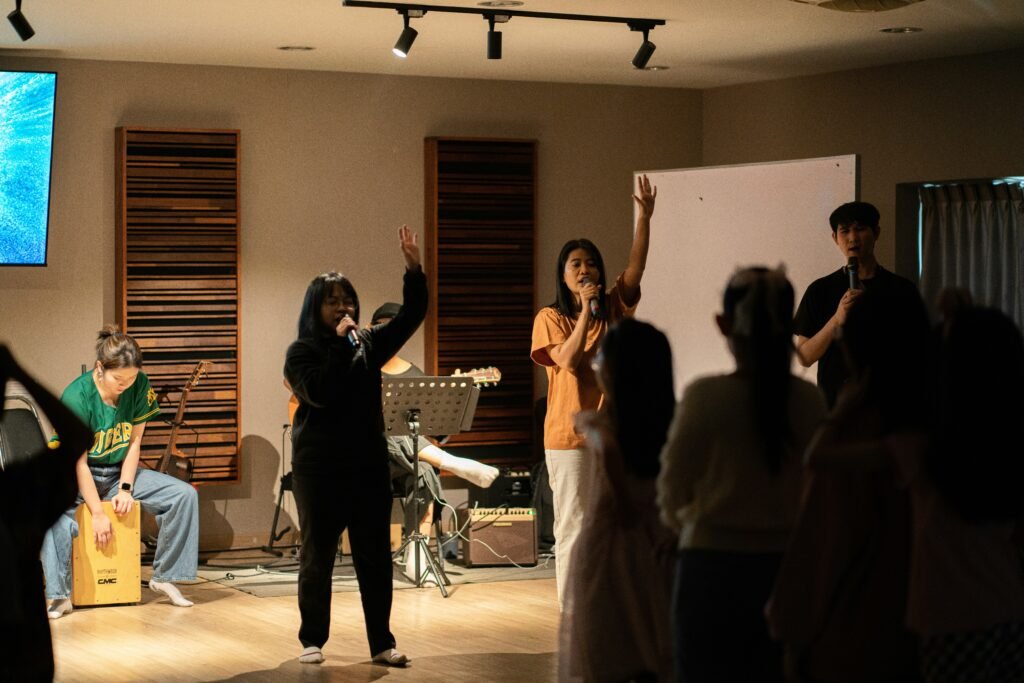
Joining a Toronto community choir can give your week a regular musical focus, whether you are returning to singing after years away or trying it for the first time. The challenge is finding a group whose expectations match your experience and availability.
Before registering, look beyond the concert photographs. Check how singers join, what support is available for learning the music and how much time the season requires. A welcoming atmosphere matters, but so do the practical details that determine whether you can participate comfortably.
Choose a Toronto Community Choir That Matches Your Experience
The term community choir describes groups with different musical standards and admission processes. Some welcome complete beginners. Others expect previous choral experience, even when they do not hold auditions.
These local examples show why reading the membership information matters:
| Choir | Published entry requirements | What to consider |
| West Toronto Community Choir | No audition; beginners are welcome | Check whether there is an opening for your voice part |
| Toronto Choral Society | No audition, but some previous choral experience is required | Explain your background before registering |
| The Annex Singers | Audition required; expects musicianship, sight-reading and vocal or choral experience | Review the audition format and preparation instructions |
These requirements come from the groups’ published membership information.
A non-audition choir may still work toward demanding performances. Ask how quickly new repertoire is introduced and whether the group teaches the skills you need or expects you to bring them.
If you are returning after a long break, describe what you have done before and what currently feels unfamiliar. That gives the membership coordinator more useful information than simply calling yourself a beginner.
Understand Choir Voice Parts and Placement
Mixed-voice choirs often use the labels soprano, alto, tenor and bass, commonly shortened to SATB. These identify musical parts within an arrangement.
You do not need to arrive with a permanent label for your voice. Ask whether the director offers a range check or placement conversation and what it involves. West Toronto Community Choir, for example, says it helps singers who are unsure which section to join.
Explain if particular notes feel uncomfortable or if you cannot follow the assigned part. Placement should help you contribute to the ensemble without forcing your voice.
Also confirm the choir’s membership criteria. Adult groups, youth ensembles and choirs serving particular communities may have different eligibility requirements.
Check Sheet Music and Home-Practice Support
Being able to sing a familiar tune is different from learning a harmony part while other singers perform something else.
Ask whether rehearsals rely on reading notation, learning by ear, demonstration or a combination of methods. Find out whether new members receive help following the score, locating their line and understanding rehearsal instructions.
The 519’s information about Singing Out states that members do not need to read sheet music. City Choir describes providing sheet music, audio files and videos as learning aids. These are examples of support to ask about when comparing groups.
Before joining, check how those materials are shared and whether you can use them on your own device. Ask about the expected practice between rehearsals. A group that moves quickly through several pieces may require more preparation than you can manage during a busy week.
Confirm Registration Dates and Voice-Section Availability
An open membership policy does not necessarily mean you can begin at any rehearsal.
Choirs may admit singers at the start of a term, close registration once concert preparation is underway or maintain different waiting lists for different sections. At the time of writing in September 2026, West Toronto Community Choir lists September and January intake periods and waiting lists for all voice parts.
Contact the membership coordinator before attending. Ask whether the next available place is for the current season or a later intake, and whether you need to complete an introduction session first.
If you join a waiting list, confirm how offers are sent and how long you have to respond. Avoid paying fees or purchasing concert clothing until your place and requirements are confirmed.
Compare Choir Membership Fees and Extra Costs
Check whether a quoted price covers one term, the full season or a specific project. Those amounts are not directly comparable without knowing how many rehearsals and performances are included.
West Toronto Community Choir lists a $250 full-season fee for 2026–27. Echo Women’s Choir requests a $200 contribution per session and states that singers who cannot afford the amount will not be turned away.
Ask whether music is included or borrowed, whether there is a refundable deposit and whether you must obtain particular concert clothing. Toronto Choral Society, for example, lists a $25 refundable music deposit for new members.
Read the withdrawal and refund terms before paying. Also ask privately about instalments or financial assistance if the fee is a barrier.
For help fitting the commitment into your wider leisure budget, see our guide to finding an affordable weekly hobby in Toronto.
Put Rehearsals, Sectionals and Concert Dates on One Calendar
The advertised weekly rehearsal may represent only part of the schedule.
Ask for the complete season calendar, including sectionals, weekend workshops, dress rehearsals and performances. A sectional is a rehearsal for part of the ensemble, such as one voice section, rather than the whole choir.
Echo’s published commitments include regular Tuesday rehearsals, two Saturday rehearsals and a dress rehearsal required for concert participation. This illustrates why checking only the usual weeknight can leave you overlooking an important date.
Compare the calendar with work shifts, travel, caregiving and other commitments before registering. Ask how to report an absence and whether missed rehearsals affect concert eligibility.
Check the journey home as well as the trip there. A rehearsal that ends late may involve a different transit connection from the one you use during the day.
Look Beyond the Song Titles When Choosing Repertoire
A choir’s repertoire is the music it plans to learn and perform. You may recognize the songs while being unfamiliar with their choral arrangements.
Listen to recent recordings, where available, and ask about the upcoming programme. Consider whether you enjoy the style, languages and balance between accompanied and unaccompanied singing.
City Choir notes that members may encounter unfamiliar languages and challenging material. Ask whether pronunciation guides or demonstrations are provided when that matters to you.
Also clarify the group’s purpose. A choir may centre on a cultural tradition, faith community, social cause or particular musical style. Confirm whether performances involve religious services or community events, especially if those activities affect your decision to join. A rehearsal venue alone does not explain the group’s mission.
Arrange a Trial Rehearsal and Discuss Accessibility
A trial visit can reveal details that a membership page cannot show. City Choir invites prospective singers to contact it about attending a rehearsal before deciding whether to join.
Ask permission first and confirm whether you will participate, observe or meet the director. A group preparing for an imminent concert may offer a different visit date.
Before attending, explain any access needs relevant to your participation. Ask about step-free entry, accessible washrooms, seating during rehearsals, lighting and whether the concert venue has different arrangements.
If standing for long periods is difficult, ask how seating works during performances. Where scent, noise or crowding affects your comfort, request specific information about the rehearsal environment.
During the visit, notice how instructions are delivered and whether newcomers know whom to approach for help.
Prepare for Your First Choral Rehearsal
Confirm the entrance and arrival time, particularly when the group rents space in a church, school or community building.
Bring the materials requested by the organizer. A pencil, the correct music and water are sensible starting points where permitted. If scores are borrowed, ask how they should be marked and when they must be returned.
Introduce yourself to the person coordinating your section. Find out how the director announces page numbers, measure numbers or rehearsal letters so you can follow changes without searching through the whole piece.
You may lose your place or miss an entrance during the first session. Ask for help at a suitable pause and note what to practise later. Avoid talking over instructions or recording other singers without permission.
Check Concert and Volunteer Expectations Before Committing
Participation may include responsibilities beyond learning your own part. Ask about concert dress, ticket sales, fundraising, setup and any required volunteer duties.
Toronto Choral Society’s membership terms, for example, describe volunteer opportunities and ticket-selling expectations. Confirm the current requirements directly rather than assuming every task is optional.
Separate compulsory commitments from activities you can choose to join. This helps you understand whether the group fits the amount of time and responsibility you want to take on.
The social side also deserves attention. Find out how new singers are introduced and whether there are opportunities to talk during breaks or after rehearsals. Our guide to making friends in Toronto offers practical suggestions for developing connections through regular activities.
Before accepting a place in a Toronto community choir, you should know what you will sing, how you will learn it and what the season asks of you. Use the first rehearsal to judge the teaching pace and atmosphere, then raise any unresolved questions before completing registration.
Note: Choir fees, admission requirements, waiting lists, rehearsal venues and concert commitments can change. The examples in this article were checked in September 2026. Confirm current details directly with the choir before registering, paying fees or attending a rehearsal.