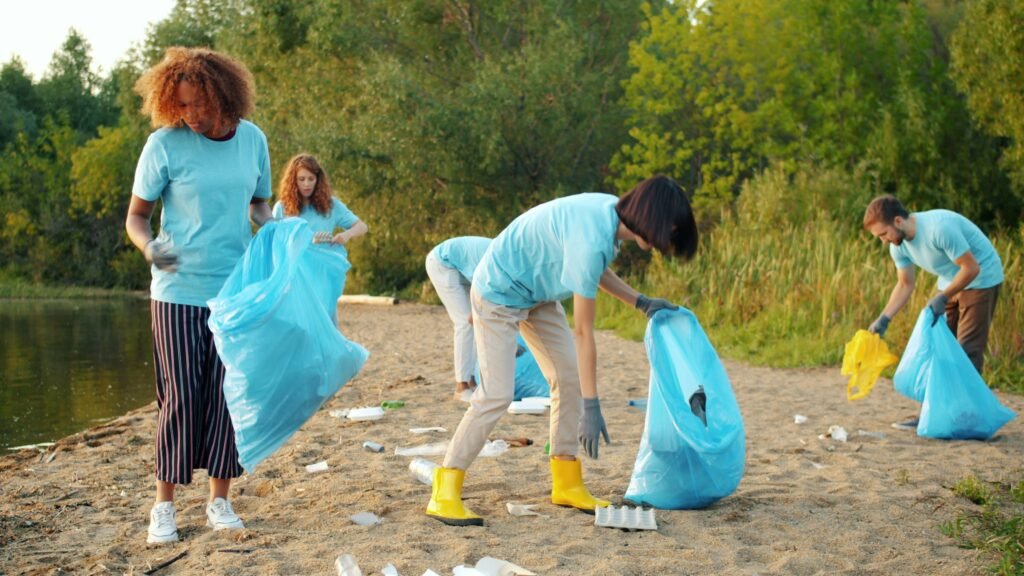

Joining a shoreline cleanup is a practical way to care for Toronto’s waterfront while spending time with neighbours. Picking up small pieces of litter can make a visible difference, and an organized event gives first-time participants a clear place to start.
Before attending, check more than the date and meeting point. You need to understand the cleanup area, what equipment is provided and which items volunteers should leave for trained personnel.
Toronto shoreline cleanups can take place on beaches, waterfront parks and other areas near water. Conditions differ between sites, so choose an event that matches your mobility, experience and available time.
Confirm Who Is Organizing the Cleanup
Read the event listing carefully to identify the organizer and the contact responsible for participants.
A neighbourhood group’s guided cleanup may operate differently from a self-directed activity registered through a wider campaign. The City’s Clean Toronto Together programme, for example, describes its cleanups as self-led and states that City staff do not organize or attend them.
Ask whether there will be an on-site leader, whether registration is required and how updates will be sent. Save the contact details before leaving home.
If the listing is from a previous year, find a current announcement rather than assuming the event repeats at the same place and time.
Check the Exact Meeting Point and Route
A waterfront park can cover a large area. “Meet at the beach” may not be enough to find the group.
Look for a named entrance, nearby landmark or map pin. Confirm whether the meeting point differs from the area where litter will be collected.
Ask what the route involves. A paved promenade, sandy beach and uneven shoreline require different preparation. Find out whether participants can remain on an accessible path or choose a smaller section.
Also check the return route, washroom access and public-transit connections. If you are bringing children or someone who may need a shorter visit, establish whether you can finish early and where to return equipment.
Understand the Boundaries Before Starting
Stay within the area approved for the event. A piece of litter visible beyond a fence or down a steep bank does not create permission to enter.
The City advises cleanup participants to avoid unstable or slippery ground, riverbanks, tunnels and areas near stormwater management ponds.
Ask the leader to identify any restricted sections. Do not climb retaining walls, enter the water or reach over an exposed edge to retrieve an item.
For a first event, a straightforward area with firm footing is a useful choice. You can still contribute by collecting litter along paths and open spaces without approaching difficult terrain.
Ask What Equipment Is Provided
Do not assume that registration includes every supply.
Check whether the organizer provides gloves, bags, litter grabbers or other equipment, and whether you need to collect them before the event. Ask how borrowed items should be returned.
A practical personal kit may include:
- Comfortable, closed-toe footwear.
- Clothing suitable for the weather and terrain.
- A refillable water bottle.
- Sun protection or rainwear.
- Hand sanitizer.
- A small bag for your own belongings.
Gloves and grabbers do not make hazardous objects safe to handle. Follow the event’s limits on what volunteers may collect, regardless of the equipment available.
Review Weather Updates Before Travelling
Waterfront conditions can change during an event. Wind, rain and cold can make an exposed location less comfortable than the same weather feels on a sheltered street.
Check the forecast and the organizer’s latest message before leaving. Ask where cancellation or early-ending notices will appear.
Bring layers you can manage while working, and avoid carrying more than you can comfortably keep with you. If the conditions become unsuitable, tell the leader and stop.
Do not assume every event has a rain date. Confirm the policy for the specific cleanup when you register.
Collect Litter Without Disturbing the Shoreline
The task is to remove human-made litter within the organizer’s instructions, not to clear the area of everything on the ground.
Leave plants, leaves, twigs and other natural material in place. Avoid trampling vegetation to reach a small item. Toronto’s cleanup guidance specifically tells participants to leave natural material and avoid damaging planted areas.
If an object is embedded, tangled or difficult to move, ask the leader rather than pulling harder. Do not attempt to free wildlife yourself or handle an animal found during the cleanup; report the location to the organizer for appropriate help.
Work at a comfortable pace and look before reaching. Never put your hand into a pile, container or space where you cannot see what is inside.
Leave Sharps and Suspicious Materials Alone
Before the group begins, ask how hazardous finds should be reported.
If you see a needle, syringe, chemical container or other dangerous item, keep clear and alert the leader. Do not place it in an ordinary litter bag.
The City instructs cleanup volunteers not to pick up needles or other dangerous articles and to report their location to 311. Toronto Public Health also directs people who find needles in City parks to report them through 311.
Describe the location clearly, using a nearby landmark or map position. Keep others away without touching or moving the item.
Do not attempt to identify an unknown substance by opening a container or smelling it. A first-time volunteer’s useful contribution is an accurate report.
Follow the Event’s Waste-Sorting Instructions
Ask which bags or collection points are intended for garbage and recycling. Do this before filling a bag with mixed material.
An item that looks recyclable may be contaminated or unsuitable for the collection arrangement. When uncertain, check with the leader rather than guessing.
Batteries, aerosol containers, propane cylinders and other hazardous waste need a separate disposal process. Ask the organizer to manage these findings according to the event plan; do not add them to ordinary bags.
Avoid compressing bags with your hands or body. Stop filling a bag before it becomes too heavy to carry safely, and request help where needed.
Respect Everyone Using the Space
A cleanup may take place while other people are walking, fishing, picnicking or resting nearby.
Keep paths and entrances clear. Do not treat someone’s possessions as litter or remove items from an occupied area without permission. If there is uncertainty, ask the leader.
Be considerate when taking photographs. Obtain permission before including identifiable participants, and avoid photographing people in vulnerable situations.
If you want to meet others, introduce yourself during the briefing or while working in an assigned area. The shared task provides a natural conversation starter without requiring anyone to socialize.
For other ways to build a regular community activity, our guide to finding an affordable weekly hobby in Toronto includes volunteering alongside outdoor interests.
Confirm Where Collected Waste Goes
Before starting, establish the finishing procedure. Ask where filled bags should be placed, who has arranged collection and whether any results need to be recorded.
Do not leave bags beside a public bin merely because the cleanup has ended. Follow the organizer’s agreed collection arrangements.
If the event tracks litter types or quantities, complete the requested record without reopening bags or handling waste again unnecessarily. Return borrowed equipment and let the leader know you have finished.
Students seeking volunteer-hour confirmation should check this in advance. Not every cleanup organizer provides validation, and participation alone does not establish that an activity meets a school’s requirements.
Choose a Manageable Next Step
After your first event, consider which parts suited you: the location, group size, physical demands and length of the activity.
You may prefer returning to the same accessible stretch of waterfront or joining a group that organizes regular environmental work. TRCA’s Community Stewardship Program includes watershed cleanups among its activities and directs interested residents to its event and volunteer information.
A smaller commitment that you can repeat is worthwhile. You do not need to collect the most litter or reach the hardest places to make a useful contribution.
Note: Registration, equipment, collection arrangements and site conditions vary by event. Follow the organizer’s briefing and leave hazardous items for appropriate personnel. For a helpful public reference, review the safety and sorting guidance on the City of Toronto’s Clean Toronto Together page.