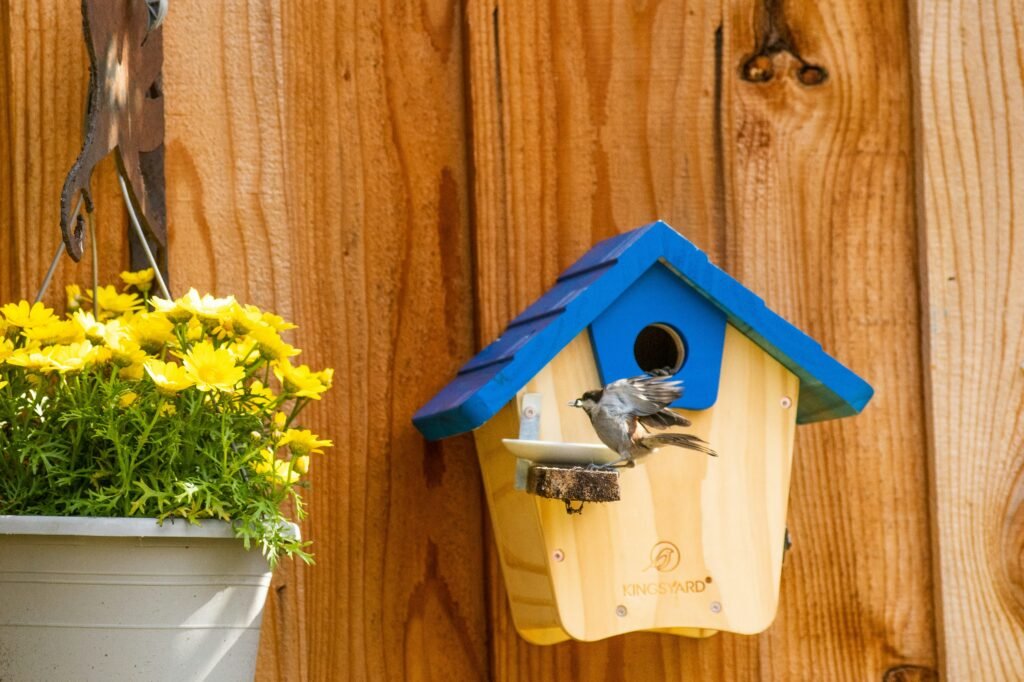
A small bird moving through a neighbourhood shrub can be easy to overlook. Stop for a moment, however, and an ordinary Toronto walk can become a chance to notice feeding behaviour, unfamiliar calls and visitors that will not remain in the city for long.
Fall migration gives beginners a reason to look more closely without turning every outing into a search for a rare species. You can begin in a nearby park, learn a few familiar birds and gradually explore different habitats.
Toronto birdwatching works best when you allow time to observe. A short visit with several quiet stops can be more rewarding than walking quickly through a large park.
Understand What Fall Migration Means in Toronto
Toronto sits along Lake Ontario and provides resting and feeding habitat for birds travelling between breeding and wintering areas. The City identifies its broad fall migration period as mid-August through early November.
That does not mean the same birds appear throughout those months. Different species move at different times, and conditions can change what you notice from one visit to another. A quiet morning does not necessarily mean you chose a poor location.
The City’s Lights Out Toronto guidance explains why migration also matters beyond parks: birds moving through urban areas face risks from artificial lighting and building windows.
Begin Somewhere You Can Visit Again
Your first Toronto birdwatching location does not need to be a famous destination. Choose a park with a manageable route and places where you can stop without blocking other visitors.
Returning to the same location helps you notice changes. You begin to recognize the birds that are regularly present, making an unfamiliar visitor easier to spot. You also learn which parts of the park offer clear views and where the route becomes muddy or exposed.
Look across several types of habitat. Trees, shrubs, open grass and water provide different viewing opportunities. Instead of moving constantly, spend a few minutes watching one area before continuing.
Keep the first outing short enough that you want to repeat it. An accessible neighbourhood route can become a satisfying weekly habit.
Choose a Larger Outing for Its Habitat
When you want to explore farther, Toronto offers several established birdwatching settings.
High Park combines wooded areas, open spaces and water. Colonel Samuel Smith Park offers a different lakeshore setting, with bays, marsh habitat and meadows. The City’s Birds of Toronto guide describes these and other locations. Use it to understand the habitats rather than expecting every listed species on a particular visit.
Toronto Island is another option when you have time for a longer trip. The City identifies several birdwatching areas, including Snug Harbour and parts of Ward’s Island. It also notes that some environmentally sensitive areas must be observed from outside their boundaries. Check ferry arrangements, weather and your return plan before leaving.
Choose one area to explore rather than trying to cover every location in a day. Time spent observing usually matters more than the number of stops.
Bring Equipment That Helps You Observe
Binoculars can make it easier to study a bird while keeping your distance. If you already have access to a pair, practise using them on a stationary object before your outing.
Locate the bird with your eyes first, then raise the binoculars while keeping your attention on that spot. Searching randomly through magnified leaves can be frustrating when a bird is moving.
You can still start without binoculars. Larger birds, silhouettes, flight patterns and behaviour are useful things to observe. A notebook or phone can help you record what you saw, but avoid spending the entire walk looking at a screen.
Wear footwear suited to the route and bring a layer for exposed lakeshore areas. Pack water and check the forecast. If your outing includes uneven woodland paths, our Toronto ravine trail safety guide covers practical preparation for that terrain.
Identify More Than the Colour
Colour is useful, but it can look different in shade or at a distance. Record several features before deciding which bird you saw.
Notice its approximate size, bill shape and posture. Does it climb a trunk, move through branches or feed on the ground? Look for wing markings, a contrasting head pattern or the shape of the tail.
For example, “small brown bird” leaves little to work with later. “Small bird feeding low in shrubs, with a pale stripe above the eye and a short bill” creates a more useful observation.
Fall birds can be challenging because some do not show the appearance pictured in breeding-season illustrations. Compare your notes carefully and leave an identification uncertain when the evidence is incomplete. Learning to describe what you saw is progress even when you cannot name it.
Watch Without Changing the Bird’s Behaviour
Keep enough distance that birds can continue feeding, resting or moving normally. If a bird repeatedly moves away as you approach, stop following it.
Stay on permitted paths, respect barriers and avoid entering vegetation for a better photograph. Do not use food to bring birds closer. Skip recorded calls intended to attract a response; listening quietly lets you observe what is already happening.
Give resting birds and any occupied nest plenty of space. Federal guidance on avoiding harm to migratory birds explains the importance of protecting birds and their nesting habitat. Parks Canada also advises birdwatchers against disturbing known nesting areas or attracting birds with food.
Share the path considerately. Step aside before stopping, keep voices low near others who are watching, and follow the location’s rules for dogs.
Keep a Small Record of Each Visit
After an outing, write down the date, location, weather and a few observations. Include birds you recognized and descriptions of those you did not.
You might record that a particular shrub was busy, the waterfront was too windy for comfortable viewing or a short route took longer because you stopped often. Those notes help you plan the next visit.
Avoid judging the day only by your species count. Watching one bird feed or noticing how it moves through its habitat can be more informative than collecting names without observing closely.
Extend the Hobby Into Everyday Life
Birdwatching can change what you notice on a commute or from a window. You may begin recognizing familiar calls or paying attention to green spaces you previously walked past.
You can also support migrating birds at home. The City’s Lights Out campaign encourages reducing unnecessary nighttime lighting while retaining lighting needed for safety and security. If you live in a shared building, raise questions about common-area lighting with management rather than changing it yourself.
Start with one convenient route, a little patience and a willingness to leave some birds unidentified. As you return through the fall, the changes you observe can make familiar Toronto spaces feel newly interesting.
Note: Bird sightings vary with weather, habitat and migration timing. Check current access rules, closures and transportation information before travelling. Respect protected areas and observe wildlife from a distance that allows it to continue its normal behaviour.