Living alone in Toronto offers independence, access to employment opportunities and plenty of ways to enjoy the city. However, it also means paying the full cost of rent, utilities, groceries and other necessities without splitting those expenses with a roommate or partner.
The monthly expenses in Toronto for a single person will generally range from approximately $2,800 to $4,850 per month when renting a private apartment. Someone sharing accommodation may be able to live on considerably less, while a person renting a newer downtown condo, regularly dining out or owning a car could spend much more.
All figures in this guide are estimates in Canadian dollars. Your actual spending will depend on where you live, the type of housing you choose and your lifestyle.
Monthly Cost of Living in Toronto at a Glance
The following table provides a practical starting point for creating a monthly budget.
| Expense | Estimated monthly cost |
|---|---|
| Rent | $1,763–$2,645 |
| Electricity and other utilities | $75–$180 |
| Internet and mobile phone | $90–$170 |
| Groceries | $350–$550 |
| Public transportation | $100–$156 |
| Tenant insurance | $25–$50 |
| Household and personal supplies | $75–$180 |
| Dining out and coffee | $100–$350 |
| Health and fitness | $30–$120 |
| Entertainment | $50–$200 |
| Clothing and miscellaneous costs | $100–$250 |
| Estimated monthly total | $2,758–$4,851 |
This estimate assumes that one person rents a studio or one-bedroom home and primarily uses public transportation. Debt payments, tuition, childcare, major medical costs, savings and car ownership are not included.
Rent Will Be Your Largest Monthly Expense
Housing is normally the biggest expense for a single person in Toronto. The amount you pay can vary significantly depending on the neighbourhood, building age, apartment size and whether the unit is furnished.
The City of Toronto lists the 2026 average market rent at:
| Type of rental home | 2026 average market rent |
|---|---|
| Bachelor or studio apartment | $1,499 |
| One-bedroom apartment | $1,763 |
| Two-bedroom apartment | $2,055 |
These figures come from Toronto’s official average market rent information. However, average market rent data includes existing rental units and should not be interpreted as the price every new tenant will find in current listings.
A newly listed apartment, newer condominium or unit in a highly desirable neighbourhood may cost substantially more than the citywide average. The same City of Toronto data shows that 150% of average market rent reaches approximately $2,249 for a studio and $2,645 for a one-bedroom unit.
For budgeting purposes, someone searching for a private apartment should consider setting aside approximately $1,800 to $2,650 per month for rent. Sharing a two-bedroom apartment or renting a room can reduce the individual cost, although prices will still vary by location.
It is also important to look beyond the advertised rent. Before signing a lease, find out whether the payment includes:
- Water
- Heat
- Electricity
- Internet
- Parking
- Laundry
- Storage
- Air conditioning
An apartment with slightly higher rent may be more affordable overall if several utilities are included.
Utilities Can Vary Between Buildings
Some Toronto rentals include heat and water, while tenants in other buildings must pay separately. Electricity is one of the expenses most commonly assigned to the tenant.
A single person living in a small apartment may spend approximately $75 to $180 per month on electricity, heating or other separately billed utilities. Usage can rise when electric heating or air conditioning is required.
Toronto’s water charges are based on metered consumption. The City’s 2026 water rate is $4.8629 per cubic metre when the account is paid by the due date. In many apartment buildings, however, water is included in the rent and billed to the property owner rather than directly to each tenant.
Ask the landlord or property manager for a clear list of included utilities before agreeing to rent the property. If possible, request an estimate of the unit’s previous electricity costs.
Internet and Mobile Phone Costs
A single person can reasonably budget $90 to $170 per month for home internet and mobile phone service combined.
The lower end may be possible with a basic internet package, an affordable mobile plan and a phone that has already been paid for. The total can be higher if you finance a new phone, need high-speed internet for remote work or pay for additional data.
When comparing plans, look at the full monthly charge rather than the introductory price. Equipment rental, activation charges, taxes and price increases after a promotional period can change the actual cost.
Grocery Expenses for One Person
A realistic grocery budget for one adult in Toronto is approximately $350 to $550 per month. Someone who cooks most meals at home, plans purchases carefully and avoids unnecessary food waste may remain near the lower end.
The amount can rise for people who buy specialty foods, prepared meals, imported products or follow a diet with more expensive ingredients. Statistics Canada maintains a Food Price Data Hub that tracks changes in Canadian food prices. Its data showed that grocery prices continued to rise during the first half of 2026, although the rate varied by month.
A practical grocery budget should include more than meals. Remember to account for items such as:
- Cooking oil, spices and condiments
- Coffee and beverages
- Cleaning products
- Paper products
- Toiletries
- Occasional replacement of kitchen supplies
Planning several meals around the same ingredients can help reduce waste. Checking what you already have before shopping is also more effective than relying entirely on discounts.
Transportation Expenses in Toronto
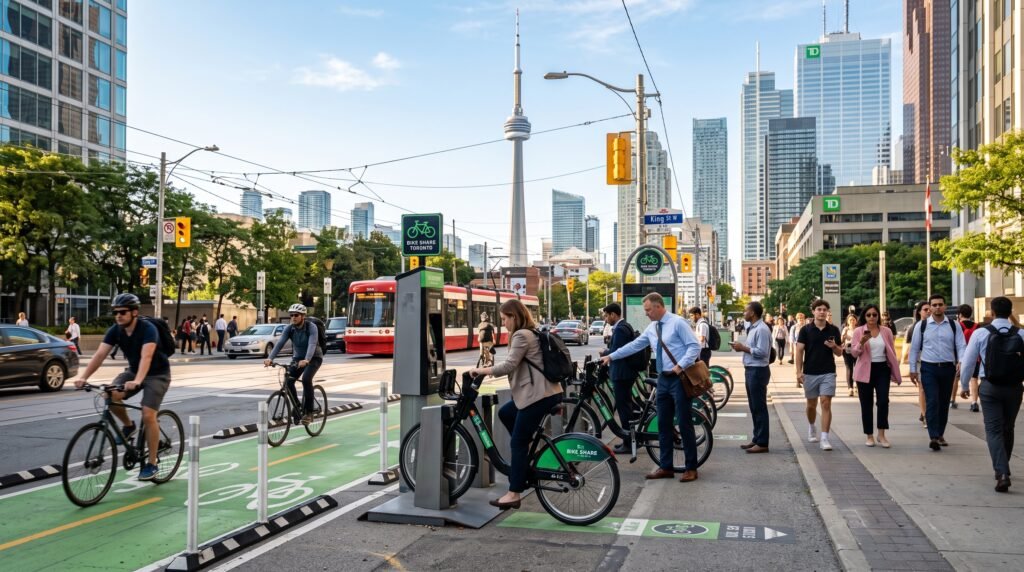
A person who uses public transportation should plan for approximately $100 to $156 per month, depending on how frequently they travel.
As of August 2026, the adult TTC monthly pass costs $156. The TTC has announced that monthly fare capping will begin on September 1, 2026, when the regular adult monthly pass will be discontinued. Riders will pay individual fares until they reach the monthly cap, after which additional eligible trips during that month will not cost extra. Current prices and upcoming changes are available on the official TTC fares and passes page.
Someone who works remotely or only uses transit occasionally may spend less by paying per trip. Walking or cycling for shorter journeys can reduce transportation expenses further.
Car ownership creates a very different budget. A vehicle may require payments for financing, insurance, fuel, parking, maintenance, registration and seasonal tires. Depending on the vehicle and parking situation, these costs could add several hundred dollars—or more than $1,000—to monthly expenses.
Tenant Insurance
Tenant insurance is easy to overlook because it is not always included in advertised housing costs. Some landlords also require proof of coverage before a tenant moves in.
A basic policy may cost approximately $25 to $50 per month, depending on the building, location, coverage amount and personal claims history. Tenant insurance can provide protection for belongings, personal liability and certain additional living expenses if a covered incident makes the apartment temporarily uninhabitable.
The landlord’s property insurance generally protects the building, not all of a tenant’s personal possessions.
Dining Out and Coffee
Toronto has restaurants and cafés at almost every price level, which makes this category highly dependent on personal habits.
A person who occasionally buys coffee or eats out once or twice a month might spend approximately $100 per month. Regular restaurant meals, delivery fees, tips and weekday lunches can push the total to $350 or considerably more.
Food delivery can be particularly difficult to track because the final charge may include menu markups, delivery fees, service charges, taxes and tips. Setting a specific monthly limit for restaurants and delivery makes it easier to prevent this category from quietly disrupting the rest of the budget.
Household and Personal Expenses
A single person should consider reserving $75 to $180 per month for everyday household and personal needs. This category can include:
- Laundry
- Cleaning supplies
- Toiletries
- Haircuts
- Basic home supplies
- Small repairs or replacements
- Prescription co-payments
- Over-the-counter health products
These expenses may not occur evenly every month. Creating a fixed allowance allows money to accumulate for months when several items must be replaced at once.
Health, Fitness and Entertainment
Healthcare, fitness and recreation costs can range from very little to several hundred dollars per month.
Ontario’s public health insurance covers many medically necessary services, but it does not cover every expense. Dental care, prescription medication, eye exams, glasses, physiotherapy and counselling may require private insurance or out-of-pocket payment.
Entertainment spending may include streaming subscriptions, movies, concerts, sports, nightlife and local activities. Toronto residents can also find lower-cost recreation through parks, public spaces and community programs. The City of Toronto publishes information about free and lower-cost recreation options, including programs for residents who meet the eligibility requirements.
A reasonable combined allowance for health, fitness and entertainment might range from $80 to $320 per month, but the appropriate amount depends heavily on your needs.
A Sample Monthly Budget for One Person
The following example shows what a moderate budget might look like for someone renting a one-bedroom apartment, using public transportation and cooking most meals at home.
| Budget category | Sample monthly amount |
|---|---|
| Rent | $2,200 |
| Utilities | $110 |
| Internet and mobile phone | $125 |
| Groceries | $450 |
| TTC transportation | $156 |
| Tenant insurance | $35 |
| Household and personal supplies | $120 |
| Dining out and coffee | $175 |
| Health and fitness | $90 |
| Entertainment | $100 |
| Clothing and miscellaneous expenses | $150 |
| Total monthly spending | $3,711 |
This example does not include savings or debt repayment. If the person wanted to save $500 each month, they would need approximately $4,211 in monthly take-home income to support this budget without relying on credit.
How Much Emergency Savings Should You Keep?
A monthly budget covers predictable expenses, but Toronto residents also need to prepare for irregular costs. These might include an urgent dental appointment, replacing a laptop, travelling to visit family or moving to another apartment.
A useful long-term goal is to build an emergency fund that covers several months of necessary expenses. Someone whose essential spending is $3,000 per month might initially aim for one month of expenses and gradually work toward a larger reserve.
Emergency savings should be kept separate from money intended for entertainment, travel or routine shopping. Even a small automatic transfer on payday can help build the fund over time.
How to Reduce Monthly Expenses in Toronto
Housing choices usually create the largest savings. Sharing an apartment, choosing a studio or living farther from the downtown core can reduce rent, although a longer commute may increase transportation costs.
Other practical ways to control spending include preparing work lunches, reviewing recurring subscriptions and planning grocery purchases before visiting the store. Avoid treating every category as equally important. Saving $20 on several small purchases will not compensate for renting an apartment that exceeds your budget by $600 every month.
When comparing neighbourhoods, calculate the combined cost of rent, transportation and everyday errands. A less expensive apartment may not produce meaningful savings if it requires frequent ride-hailing trips or a car.
Frequently Asked Questions
How much money does a single person need per month in Toronto?
A single person renting a private apartment may need approximately $2,800 to $4,850 per month, excluding savings, debt payments and major one-time expenses. Sharing housing can reduce this amount considerably.
Can one person live in Toronto on $3,000 per month?
It may be possible, but housing will be the deciding factor. A person paying relatively low rent, sharing accommodation or living in an older rent-controlled unit will have more flexibility. Renting a newly listed private apartment could leave very little money for food, transportation and unexpected expenses.
How much should one person budget for groceries in Toronto?
Approximately $350 to $550 per month is a reasonable starting range. Dietary preferences, shopping habits and the amount of food purchased from restaurants can significantly change the total.
Is living with a roommate much cheaper in Toronto?
It can be. Sharing rent, internet and some household costs may save hundreds of dollars per month. However, the savings depend on the total rent, how expenses are divided and whether utilities are included.
Does rent in Toronto normally include utilities?
It depends on the property. Water and heat may be included in some buildings, while electricity is frequently billed separately. Tenants should confirm every included and excluded expense before signing a lease.
What monthly costs are commonly forgotten?
Tenant insurance, laundry, household supplies, prescription costs, annual subscription renewals, moving expenses and irregular dental or vision care are frequently left out of basic budgets.
Note: All costs mentioned in this article are general estimates provided for informational purposes only. They are not guaranteed to be accurate for every Toronto resident. Actual monthly expenses can vary significantly from person to person depending on housing, neighbourhood, household needs, lifestyle, transportation choices and changes in prices. Always research current costs and create a budget based on your own circumstances.