Sustainable living does not require replacing everything you own, buying expensive products or changing your entire lifestyle at once. Many of the most useful environmental choices involve using less, keeping items longer and making everyday routines more efficient.
Practising sustainable living in Toronto can include reducing food waste, sorting household waste correctly, conserving water, using public transportation and choosing walking or cycling for suitable trips.
Individual actions cannot solve every environmental problem, but practical habits adopted across many households can support broader changes in transportation, buildings, energy use and waste management.
What Does Sustainable Living Mean?
Sustainable living involves meeting everyday needs while reducing unnecessary use of energy, water and materials.
It may include:
- Buying fewer unnecessary items
- Reusing what you already own
- Reducing household waste
- Preventing avoidable food waste
- Conserving water
- Using less energy
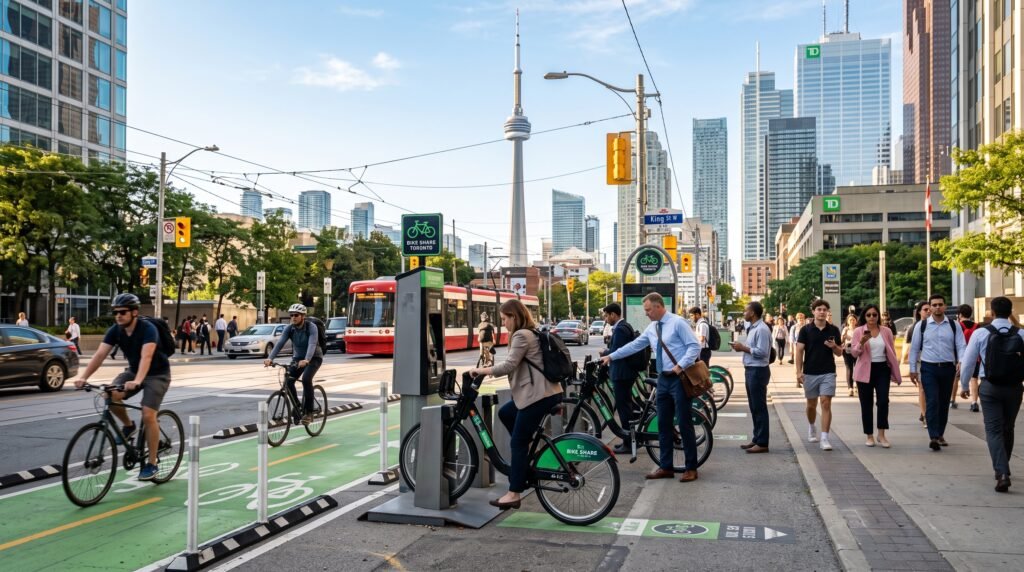
- Walking, cycling or using public transportation
- Repairing items when practical
- Supporting healthy public spaces
- Preparing for extreme weather
Sustainability is not a competition to create the smallest possible environmental footprint. Housing, income, health, family responsibilities and access to transportation affect which choices are realistic.
A renter in a high-rise apartment will have different options from a homeowner with a yard and vehicle. Both can make useful changes within their circumstances.
How Toronto Is Approaching Climate Action
Toronto’s climate plan addresses emissions from buildings, transportation and waste. The City’s TransformTO Net Zero Strategy sets a goal of reaching net-zero greenhouse gas emissions by 2040.
The strategy includes goals related to:
- Energy-efficient buildings
- Cleaner energy
- Electric vehicles
- Walking, cycling and public transportation
- Residential waste diversion
- Sustainable consumption
According to Toronto’s sector-based emissions information, buildings and transportation are responsible for most of the city’s reported community-wide greenhouse gas emissions. Household waste represents a smaller share but remains an important area where residents can take direct action.
You do not need to understand every part of municipal climate policy before making your routine more sustainable. Start with areas you control and prioritize changes you can maintain.
Begin by Consuming Less
Recycling is important, but preventing unnecessary consumption can be more effective than trying to manage the waste afterward.
Before purchasing something, ask:
- Do I already own something that performs the same function?
- Can I borrow the item?
- Can the existing item be repaired?
- Will I use this regularly?
- Do I have space to store it?
- How long is it likely to last?
- What will happen to it when I no longer need it?
Waiting a day before making a non-essential purchase can reduce impulse buying.
Buying fewer items may also make a small Toronto home easier to organize and reduce the amount of money spent on storage.
Use What You Already Own
A sustainable lifestyle should not begin by throwing away functional belongings and replacing them with products marketed as environmentally friendly.
Continue using existing:
- Water bottles
- Food containers
- Shopping bags
- Furniture
- Clothing
- Electronics
- Cleaning tools
- Kitchen equipment
Replacement may make sense when an item is broken, unsafe or extremely inefficient. However, keeping a functional product in use often avoids the materials, manufacturing, packaging and transportation involved in purchasing a new one.
A reusable item is helpful only when it is actually reused.
Learn Toronto’s Waste-Sorting Rules
Incorrect sorting can contaminate recyclable materials and make waste processing more difficult.
Toronto residents should separate garbage, recycling and organic waste according to the current rules. Do not assume that an item belongs in recycling simply because it displays a recycling symbol.
The City’s Waste Wizard allows residents to search for an item and find the appropriate disposal method.
Examples of commonly confusing items include:
- Black plastic
- Coffee cups
- Takeout containers
- Plastic bags
- Foam packaging
- Batteries
- Electronics
- Broken glass
- Clothing
- Household hazardous waste
Waste systems can change, so checking the current instructions is more reliable than depending on an old list.
People living in apartments, condominiums or co-operatives should also check with the property manager or superintendent. The building may have specific collection rooms, chutes or containers.
Keep Organic Waste Out of the Garbage
Food scraps and other accepted organic materials should generally go into Toronto’s Green Bin program rather than ordinary garbage.
The City’s Green Bin guidance states that food waste can include fresh, frozen, dried, prepared, cooked and spoiled food.
Organic waste may include:
- Fruit and vegetable scraps
- Meat and fish waste
- Bones
- Coffee grounds and filters
- Tea bags
- Eggshells
- Leftovers
- Soiled paper towels and tissues, where accepted
Remove food from packaging before placing it in the organics container. Packaging may need to go into recycling or garbage depending on the material.
Keep a small kitchen container in a convenient location so that sorting organic waste becomes part of food preparation.
Prevent Food Waste Before It Happens
Composting or using the Green Bin is useful, but preventing food waste is even better.
Begin by checking your refrigerator, freezer and cupboards before shopping. Plan meals around ingredients you already have and avoid buying more fresh food than you can use.
Practical habits include:
- Creating a shopping list
- Planning several meals with overlapping ingredients
- Freezing food before it spoils
- Keeping older food visible
- Using leftovers for lunch
- Understanding best-before dates
- Serving smaller portions and taking more when needed
- Storing produce correctly
Create an “eat first” area in the refrigerator for items that should be used soon.
Track what you throw away for two weeks. Repeatedly discarded items reveal where your shopping habits may need to change.
Plan Groceries More Carefully
Bulk purchasing can reduce packaging, but it is not automatically sustainable when food is wasted.
Buy an amount that fits your household. A single person may save more money and waste less food by purchasing a smaller package, even when the larger package has a lower price per unit.
Select loose produce when appropriate and avoid unnecessary packaging where realistic. However, packaging can sometimes protect food and extend its usable life. Consider the full situation rather than assuming that unpackaged food is always the better choice.
Bring reusable bags you already own and store them where you will remember them, such as near the door or inside a backpack.
Reduce Household Garbage
A simple household waste review can identify common sources of garbage.
| Common waste source | Possible practical change |
| Takeout utensils | Decline them when eating at home |
| Paper towels | Use washable cloths for suitable cleaning tasks |
| Bottled water | Carry a reusable bottle when practical |
| Unwanted mail | Cancel unnecessary mailings |
| Disposable food containers | Reuse suitable containers or pack food from home |
| Single-use cleaning items | Use washable alternatives where hygienic |
| Broken low-quality items | Choose durable replacements when needed |
| Unused purchases | Wait before buying non-essential items |
Do not reuse packaging in ways that create food-safety or chemical risks. A container designed for a particular product may not be suitable for repeated food storage.
Handle Special Waste Correctly
Batteries, electronics, paint, chemicals, medication and certain other materials should not be placed in ordinary household garbage or recycling.
Use the Waste Wizard to confirm where each item belongs. Toronto drop-off locations and collection options can vary by item.
Keep hazardous products:
- In their original containers
- Clearly labelled
- Away from children and pets
- Away from heat or flames
- Separate from food
- Stored according to the manufacturer’s safety instructions
Never pour chemicals, paint, oil or medication into a sink, toilet, storm drain or outdoor space.
Donate or Give Away Usable Items
Furniture, clothing, kitchen items, books and other belongings may still be useful to someone else.
Before donating, make sure the item is:
- Clean
- Functional
- Safe
- Complete
- Suitable for reuse
Donation should not be used as a way to avoid disposing of broken or unusable items responsibly.
You may also offer suitable belongings directly to friends, relatives or neighbours. Building sharing tables and community exchanges can be useful when they are permitted and managed properly.
Remove personal information from electronics, documents, packages and labels before giving items away.
Repair Before Replacing
A missing button, loose screw or damaged cord does not always mean an item must be discarded.
Evaluate whether it can be repaired safely and economically. Clothing, furniture and certain household items may need only a small repair.
Electrical appliances and equipment involving gas, heat, pressure or structural safety should be repaired by someone with appropriate knowledge. Do not attempt a repair that could cause fire, electrical shock or injury.
Compare the repair cost, expected remaining life and safety of the item before deciding.
Choose Walking for Short Trips
Short car or ride-hailing journeys may sometimes be replaced by walking.
Walking can work well for:
- Visiting nearby stores
- Picking up small items
- Travelling to a local library
- Meeting someone in the neighbourhood
- Reaching a nearby transit station
- Completing simple errands
Combine several errands in the same area to reduce repeated trips.
Walking is not practical for every person or every journey. Weather, disability, safety, time, distance and the need to transport heavy items all matter.
The aim is to replace suitable trips rather than create an unrealistic rule.
Cycle When the Route Feels Safe
Cycling can serve as transportation and physical activity, particularly for shorter trips.
Plan routes in advance and choose protected infrastructure, quieter streets or multi-use trails where available. Use appropriate safety equipment and make sure the bicycle is in good condition.
Someone new to cycling in Toronto should begin with familiar recreational routes before attempting a busy commute.
Weather and road conditions can change quickly. Use another transportation method when cycling would be unsafe.
Use Public Transportation Strategically
Public transportation can reduce the need for individual vehicle trips and make longer journeys possible without owning a car.
Transit may work especially well when combined with walking or cycling for the beginning and end of a journey.
Plan errands around one route where possible. Completing several tasks during the same trip can reduce travel time and unnecessary transportation.
Public transportation will not meet every need. Shift work, accessibility requirements, caregiving responsibilities and destinations outside convenient transit areas may make a vehicle necessary.
Sustainable choices should consider real personal circumstances rather than judging people for the transportation available to them.
Reduce Vehicle Use Where Practical
Vehicle owners can still reduce fuel use without giving up the car completely.
Possible changes include:
- Combining errands
- Avoiding unnecessary idling
- Keeping tires properly inflated
- Maintaining the vehicle
- Carpooling when suitable
- Walking for nearby trips
- Using transit for destinations where parking is difficult
- Removing unnecessary heavy items from the vehicle
Driving smoothly and planning routes can also reduce unnecessary fuel use.
Replacing a functional vehicle solely to purchase a newer one may involve significant financial and material costs. Consider how much you drive, the condition of the vehicle and your long-term needs.
Use Less Electricity at Home
Residents can reduce unnecessary electricity use through everyday habits.
Consider:
- Turning off lights in empty rooms
- Using natural light where available
- Shutting down electronics that are not needed
- Running full laundry or dishwasher loads
- Air-drying suitable clothing
- Using energy-saving settings
- Keeping heating and cooling vents clear
- Reporting malfunctioning equipment
Unplugging every device may not produce meaningful savings, and some equipment must remain powered. Focus on devices that use significant energy or remain active unnecessarily.
Renters should report inefficient or damaged appliances, windows, heating equipment and ventilation to the landlord or property manager. Do not alter electrical, heating or cooling systems without permission and appropriate expertise.
Heat and Cool the Home Responsibly
Toronto experiences hot summers and cold winters. Heating and cooling are essential for health and safety, not luxuries that should always be avoided.
Reasonable conservation measures may include:
- Closing windows when heating or air conditioning is operating
- Using curtains or blinds to manage direct sunlight
- Keeping radiators and vents unobstructed
- Dressing appropriately for the season
- Using fans safely
- Reporting drafts and damaged windows
- Adjusting an accessible thermostat moderately
Never use an oven, barbecue or outdoor heater to heat an indoor home.
Tenants should not accept unsafe indoor temperatures in the name of sustainability. Report heating or cooling concerns through the appropriate building process.
Conserve Water in Everyday Routines
Toronto residents can reduce water waste without compromising hygiene.
The City’s guide to using less water includes information for homes, gardens and businesses.
Practical household actions include:
- Turning off the tap while brushing teeth
- Repairing or reporting leaks
- Taking reasonably timed showers
- Running full laundry and dishwasher loads
- Washing produce in a bowl rather than under a continuously running tap
- Keeping drinking water in the refrigerator instead of running the tap until it cools
- Using only the water needed for cooking
A dripping tap or running toilet can waste water continuously. Renters should report leaks promptly to the landlord or property manager.
Do not reduce handwashing, cleaning or hydration in ways that affect health.
Use Laundry More Efficiently
Laundry can require water, electricity and heat.
To make the routine more efficient:
- Wash full but not overloaded loads
- Use cold water when suitable for the fabric and cleaning need
- Follow clothing-care instructions
- Air-dry suitable items
- Clean dryer lint filters as directed
- Avoid washing clothing unnecessarily
- Repair clothing before damage becomes worse
Overwashing can cause clothing to wear out more quickly. Some items can be worn more than once when they remain clean and hygienic.
Shared laundry rooms should be used respectfully. Remove clothing promptly and follow posted building rules.
Make Clothing Last Longer
A sustainable wardrobe does not require purchasing an entirely new collection of environmentally marketed clothing.
Extend the life of existing items by:
- Following washing instructions
- Treating stains promptly
- Repairing loose seams and missing buttons
- Storing seasonal clothing clean and dry
- Avoiding unnecessary washing
- Rotating items to distribute wear
- Buying replacements based on need
Before purchasing clothing, consider whether it fits your actual routine and Toronto’s climate.
A durable winter coat that is worn for years may be more practical than several inexpensive replacements.
Reduce Paper Use
Paper remains useful for important records, but many temporary papers can be avoided.
Consider:
- Choosing electronic statements when secure and convenient
- Cancelling unwanted mail
- Printing only necessary pages
- Using both sides of paper for notes
- Keeping digital records organized
- Reusing envelopes for household storage or lists
- Recycling accepted paper correctly
Do not discard important tax, immigration, lease, employment or legal documents merely to reduce paper. Keep required records securely for the appropriate period.
Make Sustainable Choices in an Apartment
Renters and condominium residents may not control building systems, but they can still influence everyday consumption.
Apartment-friendly actions include:
- Sorting waste correctly
- Reporting leaks
- Using reusable household items
- Reducing food waste
- Turning off unnecessary lights
- Walking or using transit for suitable trips
- Sharing infrequently used items with trusted neighbours
- Keeping heating and cooling equipment unobstructed
Residents can also ask building management about organics collection, recycling instructions, bicycle storage and energy-saving improvements.
Document maintenance requests in writing when a leak, damaged window or faulty appliance is wasting water or energy.
Grow Plants Responsibly
Houseplants, balcony plants and small gardens can help people connect with nature, but they should fit the available conditions.
Choose plants according to:
- Light
- Temperature
- Water requirements
- Available space
- Household pets
- Building rules
Avoid purchasing plants simply because they are fashionable. A plant that cannot survive the apartment’s light or temperature may quickly become waste.
Balcony planters must be stable and should not create a falling-object hazard. Follow building rules concerning weight, drainage and balcony use.
Homeowners with outdoor space can consider water-efficient landscaping. The City provides information about water-efficient landscaping.
Reduce Waste When Ordering Food
Takeout and delivery can produce containers, bags, napkins and utensils.
When ordering food:
- Decline utensils when eating at home
- Request only the condiments you will use
- Combine orders where appropriate
- Refrigerate leftovers promptly
- Sort packaging according to current rules
- Avoid ordering more food than the household can reasonably eat
Packaging that contains food residue may need different preparation or disposal depending on the material. Check the Waste Wizard when uncertain.
Cooking every meal at home may not be realistic. Focus on reducing unnecessary extras and wasting less of the food purchased.
Avoid Perfection and Greenwashing
Some products are promoted as sustainable without providing clear information about durability, materials or actual environmental impact.
Be cautious of vague claims such as:
- Eco-friendly
- Green
- Natural
- Planet safe
- Conscious
- Sustainable choice
These terms may not explain how the product was produced, how long it will last or whether it can be recycled locally.
The most sustainable purchase may be no purchase at all. Use what you already have and replace items when there is a genuine need.
Do not abandon a useful habit because you cannot follow it perfectly. Consistent practical actions are more valuable than a complicated routine that lasts only a few weeks.
Focus on Changes With the Greatest Impact
Not every household action has the same effect.
A person may spend substantial effort avoiding one small piece of packaging while continuing to waste food, purchase unnecessary products or make frequent short vehicle trips.
Prioritize meaningful areas:
| Priority area | Practical starting action |
| Transportation | Walk, cycle or use transit for one suitable weekly trip |
| Home energy | Reduce unnecessary heating, cooling and electricity use |
| Food | Plan meals and prevent avoidable waste |
| Consumption | Wait before purchasing non-essential items |
| Household waste | Sort recycling and organics correctly |
| Water | Repair or report leaks promptly |
| Clothing | Maintain and repair items before replacing them |
Choose one or two changes first. Add more after the initial habits become normal.
A 30-Day Sustainable Living Plan
The following plan can help Toronto residents begin without trying to change everything at once.
| Week | Main focus | Suggested actions |
| First week | Understand your waste | Review the Waste Wizard and monitor what your household throws away |
| Second week | Reduce food waste | Plan meals, use leftovers and create an “eat first” refrigerator area |
| Third week | Improve transportation | Replace one suitable car or ride-hailing trip with walking, cycling or transit |
| Fourth week | Conserve resources | Report leaks, reduce unnecessary electricity use and wash full laundry loads |
At the end of the month, review which changes were easy to maintain and which created problems. Keep the helpful habits and adjust the others.
Frequently Asked Questions
What is the easiest way to begin sustainable living in Toronto?
Start by reducing unnecessary purchases, preventing food waste and sorting household waste correctly. These actions do not require major home renovations or expensive products.
How can apartment residents live more sustainably?
Apartment residents can conserve electricity and water, reduce food waste, use organics and recycling correctly, choose public transportation and report inefficient building equipment.
Does everything with a recycling symbol go into Toronto recycling?
No. A recycling symbol does not guarantee that the item is accepted in Toronto’s program. Use the City’s Waste Wizard to confirm the correct disposal method.
What food waste can go into Toronto’s Green Bin?
Toronto accepts a broad range of food waste, including fresh, frozen, prepared, cooked and spoiled food. Remove food from packaging and review current Green Bin instructions.
Is public transportation always more sustainable than driving?
Transit, walking and cycling can reduce the need for individual vehicle trips, but the most practical option depends on distance, accessibility, safety, schedules and personal responsibilities.
How can I reduce waste without buying reusable products?
Use containers, bags, bottles and household items you already own. Buying new reusable products is unnecessary when existing items can perform the same function.
What should I do with batteries and electronics?
Do not place them in ordinary garbage or recycling without checking the rules. Search for the item using Toronto’s Waste Wizard to find the current disposal method.
Can sustainable living save money?
Some habits may reduce spending, including preventing food waste, buying fewer unnecessary items, conserving utilities and using walking for suitable trips. Savings vary according to household circumstances.
Note: This article provides general environmental and lifestyle information. Waste rules, recycling arrangements, City programs, collection providers and eligibility requirements may change. Suitable sustainability choices also vary according to housing, health, disability, income, family responsibilities and transportation access. Confirm current disposal and program information with the City of Toronto and make decisions appropriate for your circumstances.