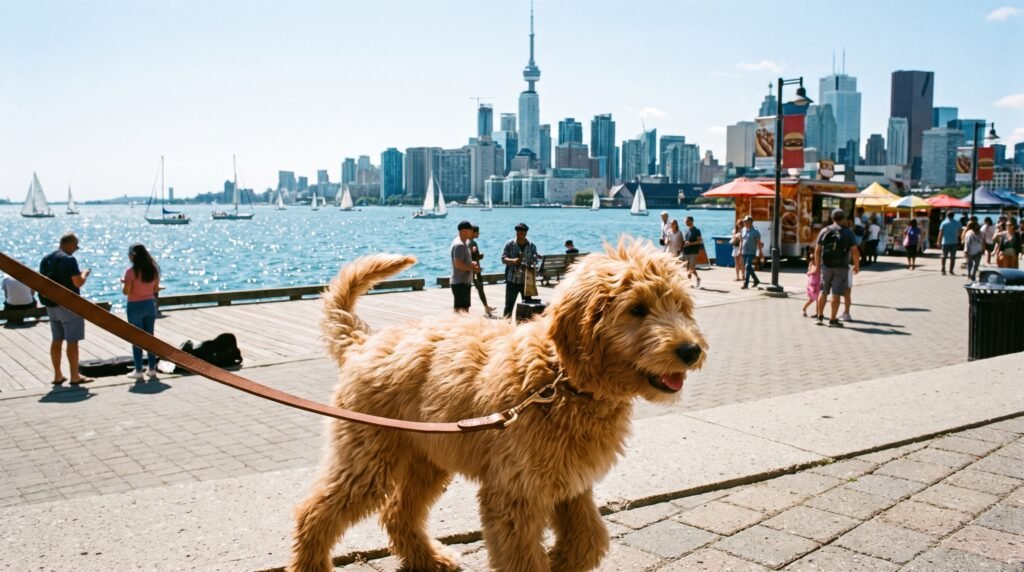
A walk through Toronto can introduce you to a surprising variety of dogs. A golden retriever waits outside an elevator, a Chihuahua explores a neighbourhood sidewalk, and a German shepherd passes on an early-morning walk.
The city’s dog population reflects different homes, routines and preferences. However, seeing a breed frequently does not necessarily mean it would suit your household.
Popular dog breeds in Toronto provide an interesting starting point for exploring local pet ownership. The more useful question for a prospective owner is how a particular dog’s needs would fit everyday life.
What Does Toronto’s Breed Data Show?
Toronto publishes licensing information that identifies dogs by primary breed and geographic area. These records describe licensed animals rather than a complete census of every dog living in the city.
A TorontoToday analysis of the City’s data through 2024 found Labrador retrievers consistently leading the breed rankings, with golden retrievers holding second place for roughly a decade. Its discussion of the top ten also identified Shih Tzus, German shepherds, Siberian huskies, Australian shepherds, Maltese, miniature poodles and Chihuahuas.
Those findings provide historical context, not a verified 2026 ranking. Breed categories and the year being examined matter when comparing lists.
The profiles below discuss several breeds represented in that analysis without assigning them a new numerical order.
Labrador Retrievers: Plan Beyond the Daily Walk
Labrador retrievers have a longstanding presence in Toronto’s licensing records. For someone considering one, the practical questions extend beyond whether there is a park nearby.
Think about how you would manage a larger dog through entrances, elevators and crowded sidewalks. Consider who would provide exercise, training and companionship during a normal working week.
Ask about the individual dog’s activity level and behaviour around people, food and other animals. A young Labrador and an older adult may need very different routines.
Also assess your ability to handle the dog safely. Choosing equipment is only one part of that question; consistent training and realistic expectations matter throughout ownership.
Golden Retrievers: Consider the Whole Household
Golden retrievers are another established favourite in the Toronto data. Their familiar appearance can make them an easy breed to imagine as part of family life.
Before deciding, discuss responsibilities with everyone who will share the home. Who handles morning outings, brushing, appointments and care during holidays?
Meet the individual dog and ask how it behaves around children, visitors and unfamiliar environments. A breed’s reputation should not replace supervised introductions or an assessment of its history.
Consider the space needed for a resting area and the practical task of keeping a home clean. Coat maintenance, muddy walks and wet-weather routines belong in the decision alongside companionship.
Shih Tzus: Small Size Still Requires Preparation
Shih Tzus offer a different physical scale from the city’s larger retrievers. For a household with limited space, that may be appealing.
However, being able to carry a dog does not resolve questions about grooming, house training, time alone or reactions to hallway noise.
Ask how the dog’s coat is currently maintained and what routine you would need to continue. Consider whether you can manage regular care yourself and what help you would need.
If you live in a building, observe how the dog responds to elevators, neighbouring doors and people passing nearby. The individual’s comfort with those experiences matters more than a simple “apartment dog” label.
Poodles: Be Specific About Size and Coat Care
“Poodle” can describe dogs of substantially different sizes. Before comparing one with another breed, establish which size you are considering.
The TorontoToday analysis specifically mentions miniature poodles among commonly licensed breeds.
Ask about the individual dog’s grooming history, activity preferences and experience being left alone. Include coat care in your ongoing budget rather than treating it as an occasional extra.
Discuss any household allergy concerns with an appropriate healthcare professional before committing. A breed label should not be treated as a guarantee that someone will have no reaction.
Spend time with the actual dog where possible and consider the routine you can sustain.
Chihuahuas and Maltese: Look at the Dog’s Experience
Chihuahuas and Maltese also appear in the published discussion of Toronto’s popular breeds.
Their size may make some transport and household arrangements easier, but small dogs still need training, suitable activity and considerate handling.
Ask whether the dog is comfortable meeting unfamiliar people and how it responds when other dogs approach. Plan ways to give it space on busy sidewalks rather than expecting every greeting to be welcome.
For a home with children, discuss gentle handling and supervision. A dog that can be lifted easily should still be allowed to rest and avoid unwanted interaction.
Consider the animal’s age and previous environment when planning its introduction to city life.
German Shepherds: Assess Handling and Daily Structure
German shepherds are among the larger breeds represented in Toronto’s top-ten discussion.
Before choosing one, think about the structure of your day. How much time can you provide for walks, training and appropriate activities? Who will care for the dog if your schedule changes?
Ask about its responses to unfamiliar dogs, visitors and movement nearby. Those details are particularly relevant when your route includes narrow paths, cyclists or busy entrances.
Do not assume that access to a backyard replaces interaction and training. Equally, do not decide suitability from floor area alone. The household’s experience, resources and ability to meet the particular dog’s needs deserve careful consideration.
Siberian Huskies and Australian Shepherds: Match the Routine Honestly
Siberian huskies and Australian shepherds also feature in the local analysis. Their presence shows why Toronto dog ownership cannot be reduced to a list of small breeds.
If you are interested in either, discuss exercise, enrichment, behaviour and previous training with someone who knows the dog well.
Describe your ordinary week honestly. An ambitious weekend outing does not explain how you would provide care on a long workday or during bad weather.
Ask what happens when the dog is bored, frustrated or left alone. Consider whether you have the time and support to address those needs consistently.
Appearance should be one part of the choice, rather than the reason to overlook a difficult lifestyle mismatch.
Include Mixed-Breed Dogs in Your Search
A primary-breed field in licensing data cannot fully describe every dog’s background. Mixed-breed dogs deserve consideration alongside named breeds.
Focus on what is known about the individual: age, size, observed behaviour, medical history and experience in a home.
Ask which details are confirmed and which are estimates. Where a dog’s background is uncertain, plan for a period of learning and adjustment.
An adult dog with a well-documented routine may offer useful information about everyday compatibility. A puppy may involve more uncertainty about future size, behaviour and care needs.
Neither option removes the need for preparation.
Check the Toronto Responsibilities That Apply to Every Breed
Before bringing a dog home, review the rules for your property and shared spaces. If you live in a condominium, check its governing documents rather than relying on another resident’s experience.
Toronto requires dogs to be licensed, wear a tag and have their licence renewed annually.
In public, dogs must be leashed except in designated off-leash areas. The City specifies a leash no longer than two metres.
Build a budget covering food, veterinary care, training, grooming where needed and arrangements for travel or unexpected absences.
Choose a dog whose needs you can meet on an ordinary Tuesday—not only on the most relaxed day of your month.
Helpful Public Resources
- Toronto Licensed Dogs and Cats Data: The City’s licensing dataset.
- Toronto Responsible Dog Ownership: Local responsibilities and public-space rules.
- Toronto Pet Licensing: Licensing and renewal information.
- Toronto Dogs Off-Leash Areas: Official locations and site details.
Note: Licensing records do not represent every Toronto dog, and the historical findings discussed here are not a current-year ranking. Breed tendencies do not determine an individual dog’s temperament, health or suitability. Assess the actual dog and confirm current housing and ownership requirements before making a commitment.