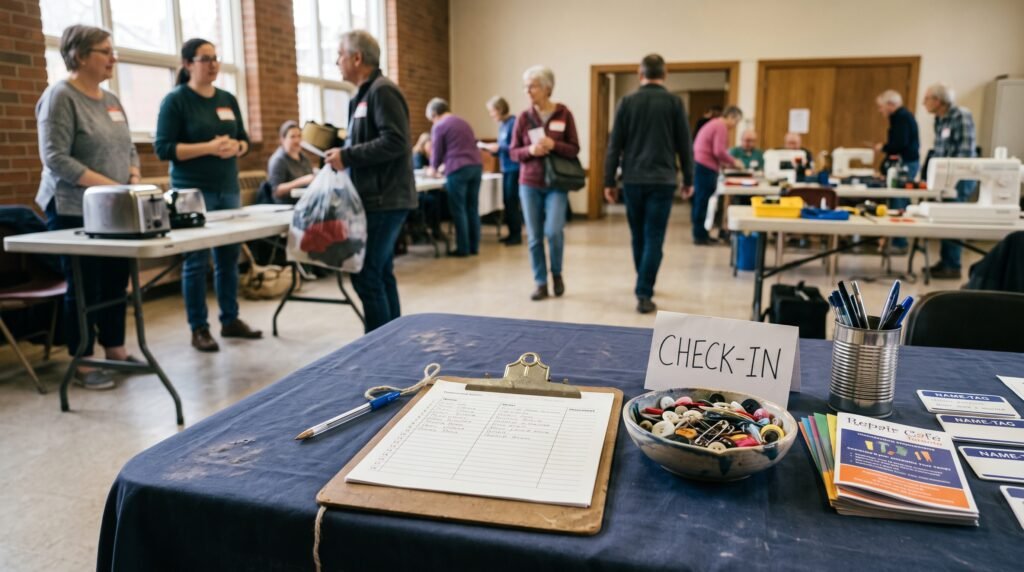
A backpack with a loose strap or a shirt missing a button can sit unused for months because the repair feels too small to arrange and too unfamiliar to attempt. Toronto repair cafés offer a chance to bring an item to a community setting, discuss the problem and learn whether a practical fix is possible.
Preparation matters, however. An event advertised as a repair café may accept only certain belongings, and the volunteers available that day determine what help can be offered.
Before carrying something across the city, check the event’s instructions and prepare the details a repairer will need. These steps can make your visit more useful, even when the item cannot be fixed immediately.
Check the Accepted Items for That Particular Event
Start with the individual event listing. A general description of an organization’s activities does not necessarily tell you what its next session will accept.
For example, the University of Toronto Scarborough’s repair café lists glasses, jewellery, watches, backpacks and clothing with small tears or button problems. That list should not be read as an invitation to bring any household appliance or electronic device.
Describe your item precisely if you contact the organizer. “A backpack with a detached shoulder strap” gives more useful information than “something that needs sewing.”
For larger belongings, include approximate dimensions and weight. Ask whether the repair can be attempted at the venue before arranging transportation. A photo may help an organizer decide whether the problem fits the session.
Confirm How Admission and the Queue Work
Check whether you need an appointment, advance registration or a place in a walk-in queue. These arrangements can differ between community programs.
UTSC’s published repair café information says registration is unnecessary. Meanwhile, the City of Toronto’s community reuse schedule includes some repair activities offered by appointment. Follow the instructions for your chosen session.
Useful questions include:
- Is there a limit on items per visitor?
- Does intake close before the event finishes?
- Should visitors remain with their belongings?
- Are materials included, or must you bring them?
- Is there a fee or an optional donation?
If you have several broken items, choose the one you most want assessed. Bringing an entire bag without checking the limit can complicate intake and leave you carrying most of it home untouched.
Explain the Symptoms Without Guessing the Cause
You do not need repair experience to give a clear account of what happened.
Prepare a short explanation covering when the problem started, what the item does now and any incident that occurred beforehand. Mention earlier repair attempts, including glue, replacement parts or adjustments.
For a zipper, describe whether it separates after closing, catches on fabric or has a broken pull. These are different problems. For an accepted electronic item, explain whether it fails to start, stops after a few minutes or works only intermittently.
If the fault is difficult to demonstrate, a photo or brief video taken previously may help. Do not recreate a potentially dangerous fault just to record it.
Accurate observations give the volunteer a better starting point than a confident but unconfirmed diagnosis.
Bring the Parts That Belong With the Item
Small missing pieces can determine whether a repair is possible. Keep detached buttons, screws, clips and other original components in a labelled container or sealed bag.
For clothing, bring a matching button if you have one. UTSC specifically asks visitors with button problems to supply their own button.
Where relevant and accepted by the organizer, bring the original charger, adapter or detachable component needed to demonstrate the problem. Photograph the model label if it may be difficult to read at the table.
Ask before buying replacement parts. A component that looks similar may have the wrong measurements or specifications. Identifying what is needed can be a useful outcome of the visit, even if installation happens later.
Make the Item Clean and Manageable to Handle
Empty pockets and bags, wash clothing where appropriate and allow damp belongings to dry before packing them. Remove loose debris so the volunteer can reach the damaged area.
Transport fragile objects in a protective container. Keep sharp or broken edges from being exposed, and tell the organizer about any hazard before arriving.
An item with a leaking or swollen battery, a burnt smell or exposed wiring needs a conversation with the organizer before transport. Do not assume that acceptance of ordinary electronics includes damaged batteries or hazardous equipment.
Avoid dismantling something simply to make it look ready for repair. Loose components can be lost, and opening an unfamiliar item may create additional problems.
Prepare Personal Devices Before Handing Them Over
If the event accepts computers, phones or tablets, think about the information stored on the device.
Back up important files beforehand where possible. Close private documents and sign out of accounts that are unnecessary for demonstrating the fault. Ask whether the problem can be assessed without unlocking the device.
Do not write your account password on an intake form or leave it attached to the item. If access is needed, discuss how you can enter it yourself and remain present.
A community repair attempt should not be treated as a data recovery guarantee. If the device contains your only copy of essential records, explain that before any work begins.
Agree on the Repair Before Work Starts
Have a brief conversation about what the volunteer proposes to do. Ask whether it involves opening the item, removing material or making a visible alteration.
This matters particularly for sentimental belongings. A strong patch on a favourite jacket may be welcome, while a visible change to an inherited object may require more thought.
Explain your priorities clearly: appearance, function, preserving original materials or simply understanding the fault.
If the item is under warranty, borrowed or owned by someone else, check what permission or conditions apply before agreeing to changes. You can accept an assessment without authorizing every possible repair.
Leave With Clear Next Steps
A useful visit can end in several ways: a completed repair, a temporary fix, a parts list or an explanation of why further work is needed.
Before leaving, ask what was changed and whether anything remains unresolved. If a part is required, record its exact description rather than relying on memory. Ask whether another visit would be appropriate.
For repaired items, request any relevant care or testing instructions. Do not assume that a quick demonstration proves every function works or that the item has received a formal safety certification.
If repair is impractical, take the item home unless the venue explicitly offers an appropriate collection option. A repair event should not automatically be treated as a disposal point.
Use the Visit to Build One Practical Skill
You do not have to learn an entire trade in one afternoon. Understanding how to reinforce a loose button or recognize a worn component can make the visit worthwhile.
Ask whether you can observe or help with a suitable step. Respect the volunteer’s concentration when tools are in use, and allow other visitors their turn.
Keeping an existing belonging useful also fits the everyday habits covered in our guide to sustainable living in Toronto. The practical goal is to make informed decisions about what you already own.
If you enjoy the experience, ask the organizer whether future events need help with setup, welcoming visitors or other tasks that match your abilities.
Helpful Public Resources
- UTSC Repair Café: Check the university’s published item list and event details.
- City of Toronto Community Reduce & Reuse Program Schedule: Explore community repair activities and participation instructions.
- City of Toronto Waste Reduction: Find public guidance on repair, reuse and reducing household waste.
Note: Accepted items, registration arrangements and available skills can change between events. Confirm the details with the organizer before travelling. Bringing an item does not guarantee that it can be repaired, and any unresolved safety concerns should be addressed before it returns to use.