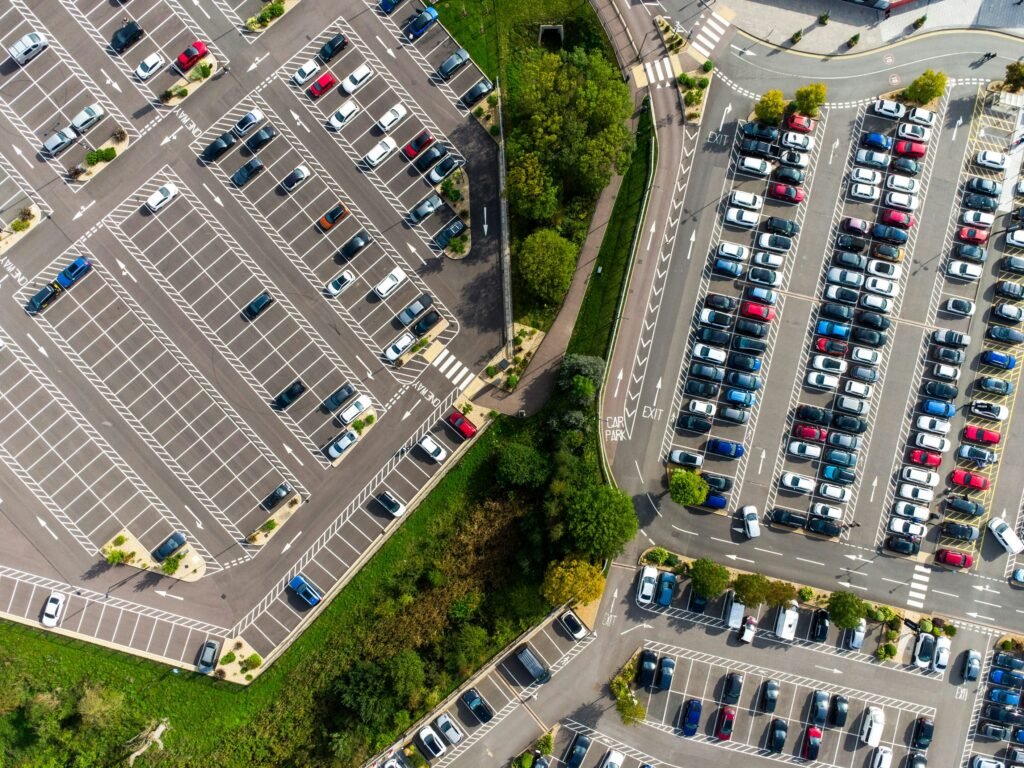
Finding overnight parking can be challenging in Toronto neighbourhoods where homes do not have driveways, garages or other private parking. The City of Toronto operates a residential permit parking program that allows eligible residents to park on designated streets during permit-controlled hours.
Street parking permits give an authorized vehicle permission to park on a specific street or within a defined permit area. However, a permit does not reserve a particular space, guarantee that parking will be available or allow the driver to ignore other parking restrictions.
Toronto also offers temporary permits for residents and visitors who require parking for 24 hours, 48 hours or seven consecutive days. Permit availability, boundaries, operating hours and fees depend on the address and parking area.
Toronto Street Parking Permits at a Glance
| Permit detail | How it works |
| Who can apply | Eligible residents of designated permit-parking streets or areas |
| Residential permit length | Six-month terms, with two consecutive terms available |
| Permit periods | December 1 to May 31 and June 1 to November 30 |
| Vehicle assignment | Issued to a specific licence plate |
| Parking location | A specific street or designated group of streets |
| Reserved space | No |
| Temporary options | 24 hours, 48 hours or seven days |
| Visitor permits | Available when the address is eligible and spaces remain |
| Maximum continuous parking | Seven consecutive days in the same location |
| Program administrator | City of Toronto Transportation Services |
Permit holders must continue to follow posted signs, temporary restrictions, snow-clearing rules and other applicable parking regulations.
What Is Residential Permit Parking?
Residential permit parking allows an eligible Toronto resident to park a registered vehicle on a street during the permit-parking hours shown on local signs.
The program generally serves residential neighbourhoods where driveways, garages and other private parking spaces are limited. A residential permit can allow overnight parking and may exempt the vehicle from posted one-, two- or three-hour parking limits within the applicable permit area.
Permit parking applies only during the designated hours and within the boundaries attached to the permit. Toronto has many combinations of parking hours, which means the rules on one street may differ from those on the next street.
The City’s official residential on-street parking page provides current information about eligibility, documentation, fees and permit conditions.
Does Every Toronto Street Offer Permit Parking?
No. Street parking permits are available only where a street or surrounding area has been officially designated for permit parking.
The City uses two general systems.
Street-Name Permit Parking
A street-name permit allows the vehicle to park on the specific street identified by the permit. It does not normally authorize parking on other nearby permit streets.
Area-Based Permit Parking
An area-based permit covers a group of licensed streets within a defined permit area. A resident may use an available legal space on any participating street inside that area.
Area-based parking provides greater flexibility, but it does not guarantee a space on the street where the permit holder lives.
Before applying, contact the Permit Parking office to confirm:
- Whether the address is inside a permit-parking area
- Whether the permit is street-specific or area-based
- Which streets are included
- What operating hours apply
- Whether permits are currently available
- Whether the street or area has a waiting list
Who Can Apply for a Residential Parking Permit?
A residential permit is generally available to an eligible Toronto resident who lives on a designated permit-parking street or within an established permit area.
An applicant normally needs:
- A valid driver’s licence
- Valid vehicle registration
- Proof of the residential address
- A completed permit application
- The applicable payment
The name and address on the driver’s licence and vehicle registration should generally match the address for which the permit is requested.
If the driver’s licence does not show the correct address, the City may accept another document showing the applicant’s name and Toronto address, such as:
- A formal lease agreement
- An agreement of purchase and sale
- A bank statement
- A credit card statement
- A utility bill
- A Canada Post change-of-address receipt
Residents who recently moved should update their identification and vehicle documents as soon as possible. Our guide to using Toronto’s 311 service also explains how residents can find City information and request help with municipal services.
What If the Vehicle Is Not Registered in Your Name?
The City may issue a permit in certain circumstances when the applicant’s name does not appear on the vehicle registration.
The applicant may need to provide:
- A letter from the insurance company confirming that the applicant is insured to drive the vehicle
- The complete insurance policy listing the applicant as a principal, secondary or occasional driver
The wallet-sized pink insurance slip may not provide enough information for this purpose.
The City may also accommodate certain parent-child situations when a student lives away from home while attending an educational institution and the vehicle registration shows the same last name but a different address.
For company vehicles, the registration should identify an actual company name rather than another individual.
Documentation requirements can depend on the situation, so applicants should confirm what the Permit Parking office will accept before submitting the application.
Can a Commercial Vehicle Receive a Permit?
Some commercially registered vehicles can qualify, but restrictions apply.
An eligible vehicle should generally:
- Be used as personal or family transportation
- Have the appropriate personal-use designation
- Measure no more than 5.2 metres in length
- Have a registered gross weight of no more than 3,000 kilograms
The City does not issue residential street parking permits for recreational vehicles, motorhomes, campers, boats or trailers.
Does Private Parking Affect Your Permit?
Access to a driveway, garage, condominium parking space or another on-property space can affect how much a residential permit costs.
Residents without access to on-site parking generally qualify for a lower rate for their first vehicle. A resident who has access to private parking but wants an on-street permit for convenience may pay a considerably higher monthly rate.
If a property has parking but that space is unavailable to the applicant, the City may require supporting evidence.
A tenant may need a recently dated and signed letter from the property owner confirming that the tenant does not have access to on-property parking. For an apartment, condominium or townhouse, the letter should generally be provided on the property management company’s letterhead.
How Much Do Toronto Street Parking Permits Cost?
The City uses different rates based on access to private parking and the number of vehicles associated with a resident and address.
The City’s published residential permit rates for 2026 are:
| Residential permit type | 2026 monthly fee |
| First vehicle with no access to on-site parking | $24.23 plus HST |
| Second and subsequent vehicles with no access to on-site parking | $70.35 plus HST |
| Resident with access to on-site parking | $97.97 plus HST |
| Permit reissue | $10.40 plus HST |
Permit fees are subject to annual inflationary adjustments and may change without notice. Confirm the current fee before applying.
If a permit is purchased after a six-month permit term has started, the applicant pays from the month of purchase through the end of the term. The first month is not prorated based on the date of purchase.
For example, a permit purchased near the end of a month can still include the full monthly charge.
Vehicle ownership can add a significant amount to a household budget. Our guide to monthly expenses in Toronto covers transportation and other recurring costs residents may need to consider.
How Long Does a Residential Permit Last?
Residential permits are issued in six-month terms:
- December 1 through May 31
- June 1 through November 30
The City may issue permits for two consecutive terms, providing up to 12 months of coverage.
A permit purchased after a term has begun remains valid only until the scheduled end of that term. It does not provide six complete months from the date of purchase.
Current permit holders should pay close attention to renewal periods. An expired permit does not authorize continued parking, even when the resident previously held a permit for the same street.
How Do You Apply for a Toronto Street Parking Permit?
The general application process is:
- Confirm that the street or area offers permit parking.
- Check whether permit spaces are available.
- Complete the residential permit parking application.
- Gather the required identification and vehicle documents.
- Provide evidence about access to on-site parking when required.
- Determine the applicable fee.
- Submit the application and payment.
Applicants can begin through the City’s official parking permit application page.
If applying by mail, include photocopies of the required documents rather than original identification. Payment should be provided using a method currently accepted by the City.
What Happens If No Permits Are Available?
Some Toronto streets and permit areas have more demand than available parking spaces. When all available permits have been issued, new applicants may need to join a waiting list.
To join a waiting list, complete the applicable wait-list application and submit it to the Permit Parking office. The City will notify the applicant when a permit becomes available.
Being on a waiting list does not authorize the resident to park during permit-controlled hours. The resident must wait until the permit has been approved and issued.
Anyone considering a Toronto apartment or home without private parking should check permit availability before signing a lease or completing a purchase. Living inside a permit-parking area does not guarantee that a permit is immediately available.
If the cost or availability of parking becomes impractical, our article about living in Toronto on a budget discusses ways to manage transportation and other everyday expenses.
Does a Permit Guarantee a Parking Space?
No. A street parking permit does not reserve a curbside space.
Permit holders share the available legal spaces with other authorized vehicles. Parking may still be difficult to find during evenings, weekends, events, construction or winter weather.
A permit does not authorize parking:
- In front of a fire hydrant
- In a no-parking zone
- In a no-stopping zone
- In an accessible space without authorization
- Where temporary restrictions are posted
- In a loading zone outside the permitted conditions
- On a street outside the designated permit area
- Where the vehicle blocks traffic, a driveway or another entrance
- Where snow-clearing restrictions apply
The permit provides an exemption from specific permit-hour or duration restrictions. It does not cancel other parking laws.
How Should the Permit Be Displayed?
A residential permit must be clearly visible and properly affixed to the lower part of the windshield on the driver’s side.
The permit is issued to a specific licence plate. That licence plate and the vehicle registration must remain valid.
A permit may be considered invalid when:
- It is displayed in a different vehicle
- The licence plate does not match
- It cannot be seen clearly
- It has expired
- It has been altered
- It is attached to a trailer, storage container or bin
Check the permit after replacing the windshield or completing vehicle repairs that could disturb or remove it.
Can a Vehicle Remain Parked Indefinitely?
No. A vehicle with a valid permit cannot remain continuously parked in the same street location for more than seven consecutive days.
A vehicle that exceeds the seven-day limit may be ticketed and towed at the owner’s expense.
This rule is important for residents who:
- Work from home and rarely drive
- Leave Toronto for an extended trip
- Own a vehicle that needs repairs
- Store a seasonal vehicle on the street
- Assume the permit allows indefinite curbside storage
Arrange for the vehicle to be moved legally when it might otherwise remain in one location for more than seven days.
How Does Alternate-Side Parking Work?
Some Toronto permit streets require vehicles to move from one side of the street to the other on scheduled dates.
Alternate-side parking supports:
- Snow clearing
- Street cleaning
- Road maintenance
- Access for municipal operations
The posted signs determine the applicable dates and times.
The City generally provides a changeover period allowing permit holders to move their vehicles between 9 p.m. on the previous evening and 9 a.m. on the scheduled changeover day.
Permit holders remain responsible for checking the signs and moving the vehicle. A valid permit does not allow a vehicle to remain on the wrong side of the street after the changeover period.
What Happens During a Major Snowstorm?
Street parking permits remain subject to snow-route regulations and temporary restrictions during major winter weather.
Roads designated as snow routes are prioritized for snow clearing and removal. The City may require vehicles to be moved even when they display valid residential permits.
Before leaving a vehicle on the street during a storm:
- Check temporary signs.
- Review City snow-clearing notices.
- Determine whether the street is a designated snow route.
- Use another permitted street when instructed.
- Move the vehicle before restrictions take effect.
A permit does not override emergency parking restrictions or public-safety measures.
How Do Temporary and Visitor Permits Work?
Toronto offers temporary resident and visitor permits for:
- 24 hours
- 48 hours
- Seven consecutive days
A temporary permit allows an eligible vehicle to park within the applicable permit street or area, provided permit spaces remain available.
Either the resident or the visitor may purchase the permit. However, the licence plate number of the vehicle is required before the permit can be issued.
Vehicles with out-of-province licence plates can qualify.
Temporary permits purchased online or from the Permit Parking office can generally be purchased up to two weeks before the required start date. The office may issue temporary permits for up to eight consecutive weeks, although permits are organized into weekly periods.
Applications and current details are available through the City’s temporary on-street parking page.
How Much Does a Temporary Parking Permit Cost?
The City’s published temporary permit fees for 2026 are:
| Temporary permit length | 2026 fee |
| 24 hours | $20.74 plus HST |
| 48 hours | $29.97 plus HST |
| Seven days | $44.94 plus HST |
Temporary permits are non-refundable and non-transferable. Check the following information carefully before purchasing:
- Licence plate
- Permit address
- Street or permit area
- Start date
- Permit duration
Motorcycle and scooter permits are free, but they must be obtained from the Permit Parking office.
Does a Visitor Permit Reserve a Space?
No. A visitor permit authorizes the vehicle to use an available legal parking space within the designated street or area. It does not reserve a space near the resident’s home.
Visitors must still:
- Park within the correct permit boundary
- Follow all posted signs
- Display the permit correctly
- Observe temporary restrictions
- Follow alternate-side parking rules
- Avoid remaining in one location for more than seven consecutive days
When permit-parking signs and Pay-and-Display signs apply to the same location, a valid permit holder for that area generally does not need to pay the parking machine. The driver should still confirm that the permit applies to the exact location and time.
Can You Transfer a Temporary Permit?
No. A temporary permit is connected to the licence plate entered during the application and cannot be transferred to another vehicle.
If the wrong plate is entered, correcting it after the permit has been issued may not be possible. Review every letter and number before completing the purchase.
A permit purchased for one visitor should not be placed in another visitor’s vehicle.
What If Your Vehicle Is Being Repaired?
A residential permit holder whose regular vehicle is being repaired or temporarily replaced may qualify for a no-charge short-term permit for a replacement vehicle.
The temporary replacement permit may be available for up to two weeks.
The City may ask for:
- The permit holder’s driver’s licence
- A police or collision report
- A letter from an insurance company
- A manufacturer or dealership letter
- A repair-shop invoice or letter
- The replacement vehicle’s licence plate
Longer repairs may require additional documentation. Contact the Permit Parking office before leaving the replacement vehicle on the street overnight.
The original residential permit does not automatically apply to a different licence plate.
What If You Move or Change Vehicles?
A residential permit may be reissued when:
- The permit holder changes address
- The licence plate changes
- The permit holder obtains another vehicle
- The original permit is lost
A reissue fee may apply.
When moving, provide proof of the new address and return the current permit. Eligibility at the old address does not guarantee eligibility at the new address.
If the new property is outside a permit-parking area or no spaces are available, the permit holder may qualify for a refund based on the unused full months remaining in the term.
When changing vehicles, update the permit before relying on it. A permit associated with the previous licence plate may be invalid when displayed in the replacement vehicle.
Common Street Parking Permit Mistakes
Residents and visitors can avoid many parking problems by watching for these common mistakes:
- Assuming a permit reserves a space
- Parking outside the permitted street or area
- Entering the wrong licence plate
- Displaying the permit in the wrong place
- Ignoring alternate-side parking dates
- Remaining in one location for more than seven days
- Parking in a prohibited area
- Assuming the permit overrides snow restrictions
- Forgetting to renew before expiration
- Using an old permit after changing vehicles
- Purchasing a temporary permit for the wrong date
- Assuming every nearby street has identical parking hours
Always check the signs where the vehicle is parked. The permit itself does not contain every restriction that may apply to the location.
Frequently Asked Questions
Can anyone buy a Toronto street parking permit?
No. Residential permits are generally available only to eligible residents of designated permit-parking streets or areas. Temporary permits may be purchased for eligible residents and their visitors.
Can renters apply for a permit?
Yes. Renters can apply if they meet the eligibility and documentation requirements. A tenant may need a letter confirming that on-property parking is unavailable.
Can I get a permit if my home has a driveway?
Possibly. Access to on-site parking affects the permit rate, and residents seeking street parking for convenience pay a higher monthly fee.
Can I park anywhere in Toronto with a permit?
No. The permit applies only to the street or permit area identified by the City.
Does a permit guarantee a space?
No. It authorizes the vehicle to use an available legal space but does not reserve one.
Can a visitor obtain a temporary permit?
Yes. Either the eligible resident or the visitor may purchase it, but the vehicle’s licence plate is required.
Can I buy a temporary permit without the licence plate?
No. The temporary permit must identify the vehicle that will use it.
Are temporary permits refundable?
No. Temporary permits are generally non-refundable and non-transferable.
Can I leave my car in the same location for more than seven days?
No. A vehicle that remains continuously parked in one street location for more than seven consecutive days may be ticketed and towed.
Does a permit prevent every parking ticket?
No. Permit holders must continue to follow no-parking zones, no-stopping rules, snow restrictions, alternate-side requirements and other parking regulations.
How can I confirm whether my street qualifies?
Contact the City of Toronto Permit Parking office. The office can confirm whether the street participates, whether spaces are available, what boundaries apply and which fee category applies.
Before depending on street parking at a new Toronto address, verify that the street participates in the program and that permits remain available. Confirm the permit boundaries, operating hours, private-parking requirements and current fees before submitting an application.
Toronto Note: Street parking permit fees, availability, boundaries and operating hours can change. Always confirm current information through the City of Toronto and follow the signs posted where the vehicle is parked. A valid permit does not guarantee a parking space or override other parking restrictions.