Toronto date nights do not have to follow the familiar pattern of reserving a restaurant table and ordering drinks afterward. The city offers plenty of ways for couples to spend time together through art, movement, local history, nature and shared creative activities.
An activity-focused date can also make conversation feel more natural. Instead of sitting across from each other for an entire evening, you have something to observe, learn or attempt together. This can work particularly well for a first date, a couple trying to control spending or long-term partners looking for something different.
The best option depends on the season, budget, mobility needs and how much planning you want to do. Some dates require advance registration, while others can begin with a transit ride and a loose plan.
Visit a Toronto History Museum Together
A museum date gives you a steady supply of conversation without requiring either person to carry the entire evening. Rather than trying to see everything, choose a few rooms or exhibits and compare what catches your attention.
The City of Toronto operates a network of history museums that explore different parts of the city’s past. General admission to the City-operated museums is free, although certain programs, workshops or special events may require registration or a fee.
Possible locations include Spadina Museum, Colborne Lodge, Fort York National Historic Site, Gibson House Museum, Scarborough Museum and Todmorden Mills. Opening days and hours vary, so check the official Toronto History Museums information before leaving home.
Turn the visit into a more personal date by each choosing one object, room or story to discuss afterward. It gives the experience a purpose without making it feel like an assignment.
Try a Public Skating Date
Outdoor skating is one of the most recognizable winter date activities in Toronto, but it does not have to involve an expensive ticketed attraction.
The City operates indoor arenas, outdoor artificial ice rinks and skating trails. City drop-in skating programs are generally free, although schedules differ by location and may change because of weather, maintenance, staffing or private permits. Some locations also participate in a free skate-lending program.
Before choosing a rink, review the City’s drop-in skating schedules and service alerts. Confirm whether skate rentals or lending are available because many neighbourhood rinks expect visitors to bring their own equipment.
A skating date works even when one person is inexperienced. Keep the session short, choose a leisure skate instead of a faster program and agree in advance that falling is part of the entertainment.
Helmets may be required for certain programs and are a sensible precaution for inexperienced skaters. Dress in layers and bring gloves that allow you to grip the railing comfortably.
Take a Waterfront Walk With a Theme
Walking along the waterfront is a common Toronto date suggestion. Adding a theme makes it feel more intentional.
You could photograph unusual buildings, look for public art, identify birds, compare skyline views or select the best bench along the route. Another approach is to choose a short section of the waterfront neither person has explored before.
Potential areas include Mimico Waterfront Park, the central waterfront, HTO Park, the Eastern Beaches and the paths around the Port Lands. The City’s guide to beaches, gardens and waterfront attractions can help you find an appropriate destination.
Check the distance and transit route before leaving. Some waterfront paths are exposed to wind and can feel much colder than inland streets. Seasonal washroom closures may also affect the plan.
During warmer months, confirm beach conditions before swimming. Toronto recommends swimming only in supervised areas while lifeguards are on duty.
Explore a Ravine During Daylight
Toronto’s ravines can make the city feel surprisingly distant without requiring a trip outside Toronto. A ravine walk gives couples time to talk while experiencing trees, streams, bridges and changing seasonal landscapes.
The City maintains information about Toronto’s ravines, trails and natural parklands. Options include sections of the Lower Don Trail, Taylor Creek Trail, Glen Stewart Ravine and the trails connected to E.T. Seton Park.
Choose a route appropriate for both people’s footwear, mobility and comfort level. Ravine paths can become icy, muddy or poorly lit, and some routes have steep slopes or limited exits. A daytime date is generally more practical than entering an unfamiliar trail close to sunset.
Download or save the route before starting, bring water and identify where you will leave the trail. After heavy rain, avoid flooded paths and never cross barriers around a closed section.
Attend a Free Library Program
Toronto Public Library branches host more than book clubs. Depending on the location and season, the calendar may include author talks, film screenings, exhibitions, craft programs, workshops, lectures and cultural events.
Browse the official Toronto Public Library programs calendar and filter by date, subject and location. Check whether registration is required and whether the event is intended for adults or a particular audience.
A library event can be especially useful for couples who prefer a structured activity or want a quieter date. It may also introduce you to a branch or neighbourhood you would not otherwise visit.
Select a program that neither person knows much about. Learning something new at the same time creates a shared experience and avoids placing one person in the role of expert for the entire date.
Plan an Architecture-Spotting Walk
Toronto contains Victorian houses, modern towers, converted industrial buildings, university campuses and neighbourhood main streets within relatively short transit distances.
Create a simple architecture challenge before meeting. You might look for the narrowest house, the most unusual balcony, a historic plaque, an unexpected courtyard or the best example of a converted building.
Neighbourhoods such as Cabbagetown, the Annex, Parkdale, Rosedale, the Distillery District and the University of Toronto area provide very different streetscapes. You do not need professional knowledge of architecture. The goal is to notice details together and explain what you like or dislike.
Respect private property while taking photographs. Do not enter residential yards, block entrances or photograph people through windows.
Make Public Art the Destination
Public art can turn an ordinary walk into an open-air gallery visit. Murals, sculptures, monuments and temporary installations are spread throughout Toronto, allowing couples to build a route around one neighbourhood rather than crossing the entire city.
Instead of trying to see the city’s “best” public art, choose a smaller objective. Look for pieces connected by a theme, photograph different interpretations of the same work or select one installation each person would place in their own neighbourhood.
Read any interpretive signs before taking photographs. Some works have historical, cultural or Indigenous significance that deserves more attention than a quick social-media backdrop.
Public art changes over time, and temporary installations can disappear. Confirm important stops before building an entire evening around them.
Attend a Community Cultural Event
Toronto’s community calendar includes performances, exhibitions, neighbourhood celebrations, workshops and civic events throughout the year. Many are free or priced below major commercial attractions.
The City’s festivals and events information is a practical place to begin. Toronto Public Library branches, cultural centres and museums also maintain their own calendars.
Community events can make good dates because the entertainment is already organized. You can walk around, participate when comfortable and leave when you have seen enough.
Check admission details carefully. A free event may still require advance registration, timed entry or a reservation. Outdoor programming can also be postponed or cancelled because of weather.
Try a Recreation-Centre Activity Together
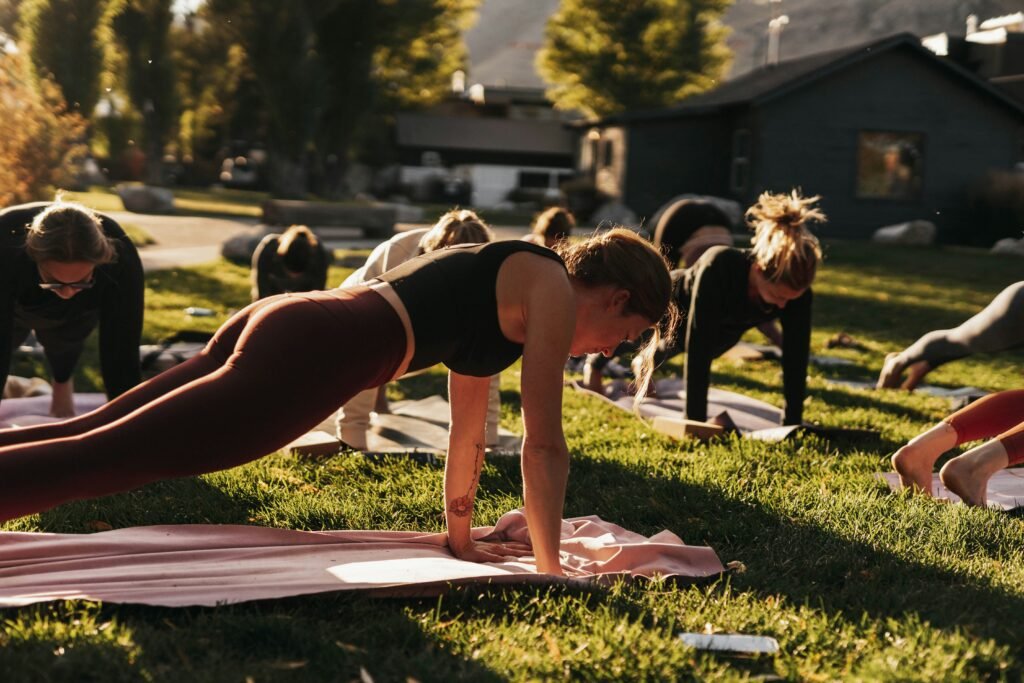
A date can be active without becoming an intense fitness session. Toronto community recreation centres offer drop-in swimming, skating, sports and other programming, although available activities vary by facility and season.
Choose something cooperative or unfamiliar rather than highly competitive. Casual badminton, table tennis, leisure swimming or a beginner-friendly class can give you something to laugh about without putting too much emphasis on performance.
Check the City’s current drop-in schedule before travelling. Some activities have age restrictions, capacity limits, equipment requirements or admission fees. Bring the appropriate clothing and confirm whether lockers require a lock or coin.
This idea is particularly useful for established couples who want to spend time together while becoming more active.
Build a Transit Exploration Date
Choose a streetcar, subway or bus route and use it as the structure for the date. Each person can select one stop where you will get off and explore for a limited amount of time.
The stops could lead to a park, library, mural, public building, unusual streetscape or waterfront viewpoint. The objective is not to cover the entire route but to see familiar parts of Toronto differently.
Set boundaries before starting. Agree on the maximum travel time, walking distance and whether you will remain within fare-paid areas when transferring. Check service alerts because construction or diversions can substantially change the route.
If you regularly use transit, the TorontoBlog.ca guide to Toronto TTC fare capping can help you understand how repeated eligible trips may affect what you pay.
Visit a Garden or Conservatory
A garden date offers a slower environment where conversation can develop without constant noise. Toronto has formal gardens, horticultural parks and conservatories that can work during different seasons.
Before visiting, confirm the operating hours and whether a particular building, greenhouse or seasonal display is open. Outdoor gardens may look completely different depending on the month, which can make returning to the same location a recurring date idea.
Give the visit a small theme. Each person might choose a favourite plant, colour combination or landscape feature. You can also photograph the same subject from different angles and compare the results.
Follow posted rules and avoid stepping into planted areas for photographs.
Create a Second-Hand Book Challenge
Visit a library sale, community book exchange or neighbourhood with several second-hand book options. Set a small spending limit and choose a book for each other based on a shared interest or inside joke.
The activity works best when the goal is not finding a perfect or valuable book. The fun comes from explaining the choice.
A no-purchase version is possible at a public library. Each person can find a book they think the other would enjoy, read the description together and borrow it if eligible. You could later exchange opinions and use the books to plan another date.
Confirm borrowing requirements if either person does not already have a Toronto Public Library card.
Take a Photography Walk With One Rule
A photography date does not require a dedicated camera. A phone is enough when the purpose is to observe the city together.
Choose one rule for the walk:
- Photograph only one colour
- Look for reflections
- Capture Toronto street signs
- Find unusual doors
- Photograph changing light
- Document small details most pedestrians ignore
- Recreate the same photograph from different viewpoints
Meet afterward to select a favourite image from each phone. The limitation makes an ordinary walk more engaging and produces a record of the date without requiring staged couple photographs.
Avoid obstructing sidewalks, photographing people in vulnerable situations or entering restricted property to obtain a better angle.
Volunteer for the Same Community Activity
Volunteering can work as a date when both people genuinely care about the activity and understand what the organization expects.
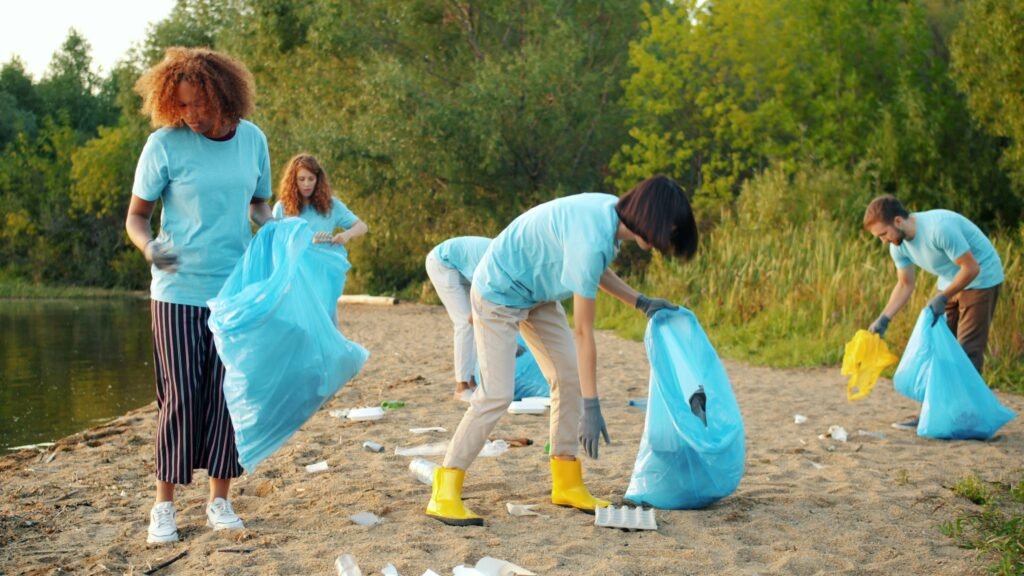
Possible opportunities may involve neighbourhood cleanups, community gardens, cultural events, food programs or environmental projects. Choose a commitment suitable for first-time volunteers and complete any required registration or training.
Do not treat a community organization merely as entertainment for the evening. Arrive on time, follow instructions and complete the work you accepted.
For established couples, volunteering can reveal how you communicate, cooperate and respond when plans become less convenient than expected.
Design an Indoor Date for Bad Weather
Toronto weather can quickly disrupt an outdoor plan. A strong date-night idea should include an indoor alternative that does not depend on finding a restaurant or bar at the last minute.
A backup could involve a library event, museum visit, indoor recreation program, public gallery or self-directed activity at home. You might exchange short playlists, attempt a drawing challenge, build something from supplies already available or watch a documentary connected to a Toronto neighbourhood you plan to visit later.
Check closing times before relying on a public building as a backup. Libraries, museums and community centres may close earlier on certain days.
Choose the Right Activity for a First Date
A first date usually benefits from a public location, a defined activity and an easy ending point. A short museum visit, public skating session, library program or busy waterfront walk can provide structure without requiring a long commitment.
Tell someone you trust where you are going, arrange your own transportation and meet in public. Avoid entering an isolated trail or private residence with someone you do not know well.
It can also help to choose an activity that lasts approximately an hour. If the date is going well, you can extend it with another walk or nearby public attraction. If it is not, the scheduled ending provides a natural departure.
Plan Around Accessibility and Comfort
A thoughtful date accounts for both people’s needs before the evening begins.
Discuss walking distance, seating, noise, washroom availability, cost and dietary or sensory concerns even when food is not part of the plan. Check whether the venue has step-free access and whether elevators, ramps or accessible entrances are currently available.
Outdoor dates require additional preparation. Consider weather, lighting, trail surfaces, construction and seasonal washroom access. Bring any medication, mobility equipment or clothing you may need rather than assuming the outing will be brief.
Asking these questions does not make a date less spontaneous. It prevents avoidable problems from taking over the experience.
Keep the Cost Clear
“Not going for dinner” does not automatically mean that a date will be inexpensive. Admission, rentals, transit, parking, equipment and registration fees can add up.
Before meeting, be clear about the expected cost and whether each person will pay separately. Free activities should also be checked carefully because special exhibitions, equipment rentals or premium programs may carry fees.
A good low-cost date does not need to look cheap or improvised. A well-planned walk, free museum visit or community event can feel more personal than an expensive activity chosen without considering the other person’s interests.
Leave Room for Conversation
The activity should support the date rather than consume all of it. A loud event, complicated workshop or tightly scheduled route may leave little opportunity to speak.
Build in a quieter part of the evening. Sit in a public park, walk toward the transit stop or compare what you noticed during the activity.
The most memorable Toronto date nights often come from a small shared discovery: an unexpected view, an object in a museum, an unsuccessful attempt at skating or a street neither person had explored before.
Dinner and drinks can be enjoyable, but they are not necessary for a date to feel intentional. Toronto offers enough public spaces, cultural programs and seasonal activities to create dates based on curiosity rather than a reservation.
Note: Admission policies, operating hours, registration requirements and seasonal schedules can change. Confirm current information with the City of Toronto, Toronto Public Library or the relevant public venue before your date.