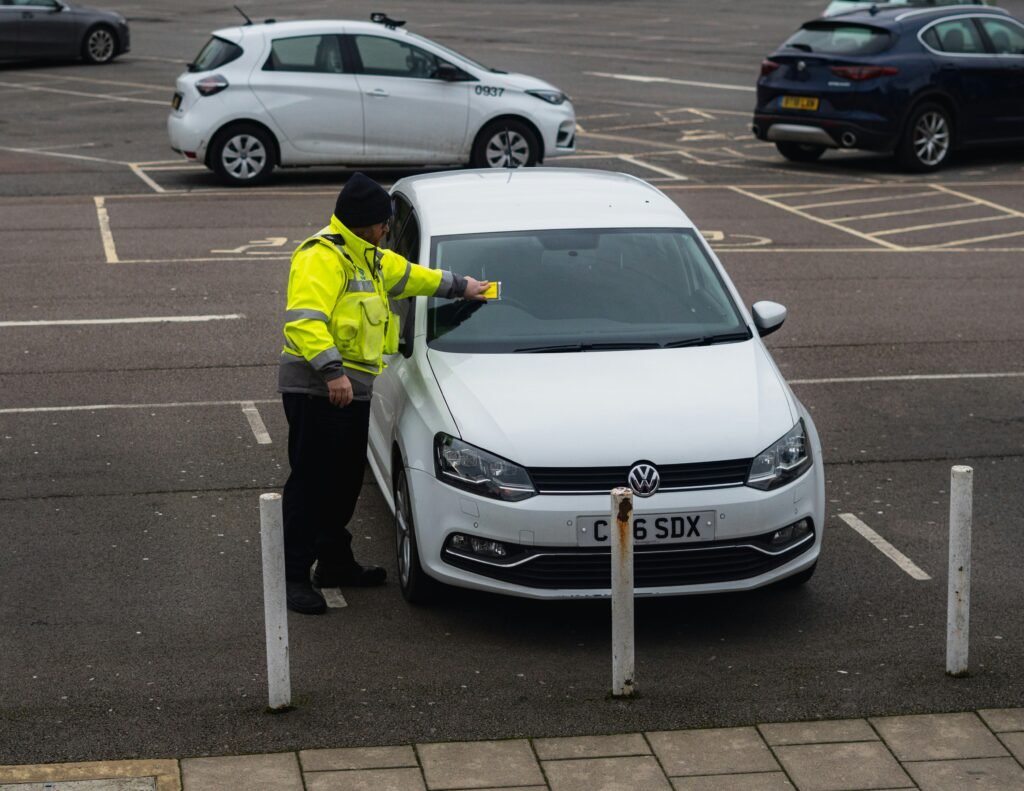
Mississauga condo visitor parking can involve more than finding an empty space. Some buildings require residents to register a guest’s licence plate through a website, app, concierge desk or automated phone line. If the registration fails—or the enforcement record does not match it—a visitor may return to a parking ticket.
The first step is to identify who issued the notice. The next is to preserve proof of what happened before call histories disappear, signs change or a dispute deadline passes.
Condo parking rules vary by building. The City of Mississauga’s process applies to certain City-issued tickets, but it does not replace your condominium’s visitor-parking policy.
Check Who Issued the Parking Notice
Look at the document itself before contacting the condo board or attempting to pay online.
The City of Mississauga says its P parking tickets are penalty notices for parking violations in Mississauga and have a ticket number beginning with “P.” The City provides an online or in-person screening process for disputing these tickets. Its parking-ticket dispute page includes an example of a P ticket.
A notice left by a private parking company may have a different issuer and a different review process. A note or charge from condominium management is different again. Do not assume every piece of paper placed on a windshield is a City ticket.
Read the issuer’s name, ticket number, alleged violation, date, time, location and instructions. If any detail is unclear, contact the organization named on the notice using its official contact information.
A City-issued ticket can be issued on private property. Mississauga explains that property owners or managers may request City parking enforcement where the required authorization and signage are in place. See the City’s guidance on parking enforcement on private property.
Confirm What the Building Required
Registration rules differ across Mississauga condominiums. One building may require every visitor to register immediately; another may have different limits for daytime and overnight stays.
Find the written visitor-parking instructions that applied when your guest parked. Check whether they specify:
- Which spaces visitors may use
- Whether registration is required before parking
- How long a registration remains valid
- Whether the visitor or resident must register the vehicle
- Whether overnight parking needs separate approval
- Whether the same vehicle can use visitor parking on consecutive days
- Whether residents may use visitor spaces
- What to do if the registration system is unavailable
Do not rely solely on what a neighbour remembers or on a rule from another building. If the instructions were displayed on a sign, photograph the sign as soon as possible. If they appeared in a resident portal or email, save a copy.
An empty visitor space does not necessarily mean an unregistered vehicle is authorized to park there.
Preserve Proof of the Registration Attempt
If you registered the guest, collect the evidence before submitting a dispute.
Depending on the system, useful records may include a confirmation email or text, a screenshot from the resident portal, the registration number, or a call log showing when you contacted the automated phone line.
For phone registration, note the number dialled, the time and duration of the call, the plate number you entered, the unit number and the parking period you requested. A call log shows that a call occurred; by itself, it may not prove which details were successfully recorded. Ask management whether it can confirm the registration entry or retrieve an automated-system record.
If you received a confirmation number or heard a recorded confirmation message, preserve that information. Avoid relying on memory alone when the issue is a single mistyped character or a difference of a few minutes.
Check the Licence Plate and Timing
A registration can fail to match a parked vehicle for a small reason. Compare the plate on the ticket with the plate on the vehicle and the plate entered into the visitor system.
Also verify:
- The date and time registration began
- Whether it expired before the ticket was issued
- Whether the correct building or parking location was selected
- Whether the vehicle was in a designated visitor space
- Whether overnight parking required another step
If you discover a mistake, describe it accurately. A dispute is stronger when it gives a clear account of the facts than when it claims a registration was valid without checking.
If the guest received the ticket just after arriving, establish the sequence: when the vehicle entered, when it parked, when registration was attempted and when the ticket was issued. Do not assume the registration applies retroactively; check your building’s policy.
Photograph the Space and Signs
Take clear photographs of the vehicle’s parking space, nearby visitor-parking signs, stall number if present, and any sign explaining registration or time limits. Keep the original images where possible, including their date and time information.
Photographs taken after the event may show what the signs say, but they do not necessarily prove that the signs were identical when the ticket was issued. If a sign was missing, obscured or difficult to read at the time, document its position and explain the issue specifically.
Mississauga states that private properties need proper signs outlining parking regulations before City staff can enforce those rules. That does not mean a photographed sign automatically resolves every dispute, but it makes the posted instructions relevant evidence.
Ask Management for Its Records
Contact the concierge, security desk or property manager promptly. Give them the ticket date, time, plate number and unit number, and ask whether the guest’s vehicle appears in the building’s visitor-registration records.
Keep the request focused. You might ask:
- Was the plate registered at the time of the ticket?
- What start and end times does the system show?
- Was the registration entered for the correct property?
- Was there a reported phone or portal outage?
- Did building staff request enforcement for this vehicle?
- Can management provide written confirmation of its findings?
If the City issued the ticket, management may be able to provide supporting information, but do not assume it can cancel the ticket. Follow the dispute instructions from the issuer before the deadline even if you are still waiting for a management response.
Disputing a City of Mississauga P Ticket
The City says you have 15 days from receiving a P ticket to dispute it online or request an in-person dispute with a screening officer. Check the current instructions on the City’s official dispute page.
For an online dispute, explain why you believe the ticket should be cancelled or varied and attach your strongest evidence. As currently described by the City, you may upload up to three files, each no larger than 5 MB, in JPG, JPEG, PNG or PDF format. The City says the initial online submission is your only opportunity to submit evidence, so organize it before pressing submit.
A concise account is more useful than a long complaint. State when the guest parked, how registration was completed, what confirmation you received and which document supports each point. If management confirmed that its system recorded the plate, include that confirmation.
If you prefer an in-person dispute, check the City’s appointment and screening-request instructions. If you miss the initial window because of special circumstances, the City describes a separate, limited process for requesting an extension; do not assume an extension will be granted.
Do Not Use a Street Permit for a Condo Lot
Mississauga’s temporary parking permit is for eligible on-street parking, not a substitute for a condominium visitor registration.
The City explicitly says its temporary street-parking permits are not valid on private property. Getting one for an overnight guest does not authorize that guest to park in your building’s private visitor lot.
Likewise, permission from your condo to use a visitor space does not automatically permit parking on a nearby public street. Check the rules for the exact location where the car will be left.
Prevent the Next Registration Dispute
For future guests, save the building’s current instructions somewhere easy to find. Ask visitors to send their plate number before they arrive so you can enter it accurately. Register through the approved channel and save any confirmation immediately.
Where the building uses an automated phone system without a text or email receipt, record the call time and any confirmation number. If the system does not confirm whether registration succeeded, ask management whether there is a way to check the active entry.
Give guests clear directions to the permitted spaces. Parking in a resident stall, loading area or fire route can create a different issue even when a vehicle has been registered as a visitor.
If you are hosting a larger gathering, check whether your building limits the number of visitor vehicles associated with one suite. TorontoBlog.ca’s guide to Toronto condo party rooms covers related guest-planning questions, but your Mississauga building’s own rules govern its parking spaces.
Treat the Ticket and Building Rules as Separate Questions
A resident can reasonably ask management why its system did not show a registration. The guest may still need to dispute a City-issued ticket through the City’s process. Address both promptly.
The most important documents are the notice, the rules that applied, proof of the registration attempt and any written response from management. Together, they give the screening officer—or the relevant private issuer—a clearer account than a statement that the guest “definitely had a pass.”
Note: Parking rules and dispute procedures can change. Confirm current deadlines with the issuer named on the notice and check your condominium’s governing documents and visitor-parking instructions. This article provides general information, not legal advice.