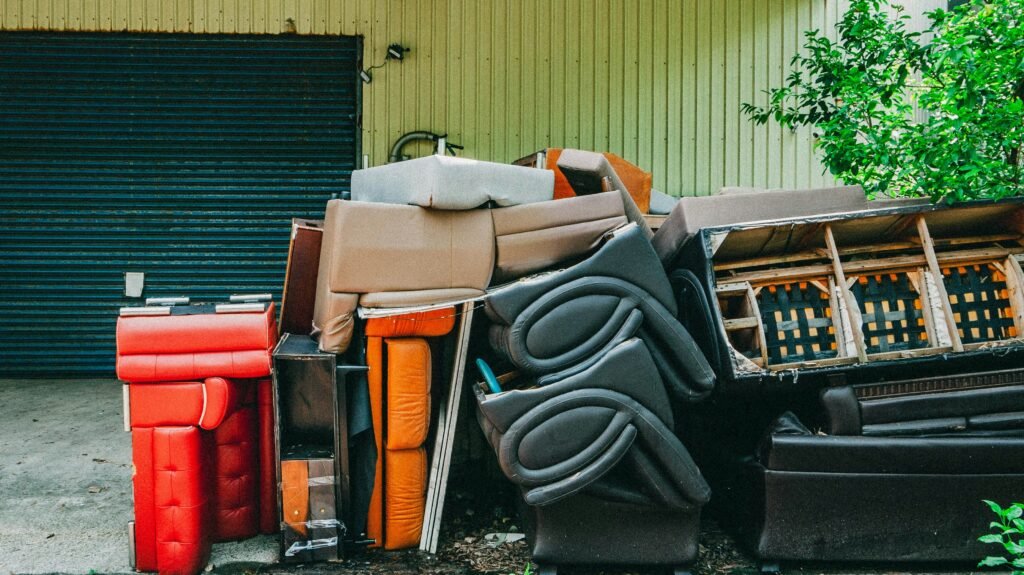
An old mattress can become a problem before you have even replaced it. It occupies valuable space, may require two people to move and often cannot fit into the vehicle available to you. Leaving it beside a building’s bins or on the sidewalk without checking the rules can create another difficulty: the mattress stays there because it was placed in the wrong location or on the wrong day.
Toronto mattress disposal starts with identifying the collection arrangement for your property. A house receiving City curbside collection, a condominium with a designated waste area and a building using private collection may follow different procedures.
Confirm the route before carrying the mattress downstairs. A few checks can prevent an unnecessary trip, a missed pickup or a second move through the building.
Confirm Who Collects Waste at Your Address
Begin with your property’s waste collection arrangement. Living in Toronto does not automatically mean your building receives municipal collection.
For a house, check whether the property receives City garbage collection and where oversized items are normally placed. For an apartment or condominium, ask the superintendent or property manager who handles the building’s waste.
The City explains that buildings opting out of municipal garbage collection are also ineligible for City collection of oversized items and other associated waste streams. Residents should therefore confirm their building’s arrangement rather than copying the procedure used by a nearby house.
If you rent a basement unit, coordinate with the person responsible for the property’s bins. Establish who will move the mattress, which entrance to use and when it should be placed outside.
Use Garbage Day for Eligible Curbside Pickup
Toronto lists mattresses and box springs among accepted oversized items. For properties receiving the applicable City curbside service, oversized items are collected beside the garbage bin on garbage collection day.
The City’s oversized and metal item guidance explains that this collection does not require a separate pickup appointment. It also identifies an annual oversized-item fee charged to houses and multi-residential units, regardless of use.
Check your address’s actual garbage schedule. A day when recycling is collected is not necessarily the correct day for a mattress.
If your new mattress arrives several days earlier, plan somewhere appropriate to keep the old one until the permitted set-out time. Delivery timing does not change the municipal collection schedule.
Follow the Correct Set-Out Window
Putting the mattress outside too early can leave it exposed to weather and obstructing the frontage for longer than necessary.
For daytime curbside collection, Toronto instructs residents to place items out before 7 a.m. on collection day and no earlier than 8 p.m. the previous evening. For nighttime collection, the published set-out window is after 6 p.m. and before 9 p.m. on the scheduled day.
The City also requires space between items and bins, including approximately half a metre between oversized items and bins. Review the proper waste set-out instructions for your collection arrangement.
Keep the mattress visible and accessible without blocking a pedestrian route, driveway or entrance. Do not pile loose bags or other furniture against it in a way that makes collection difficult.
Ask Management Before Moving a Mattress Through an Apartment Building
Apartment and condominium residents should use the location designated by their building, rather than assuming the public curb is appropriate.
Ask management for the exact oversized-item area and whether there are permitted disposal hours. Confirm whether you need an elevator reservation, protective elevator padding or access to a loading entrance.
These arrangements matter even when the mattress is being moved only a short distance. A large mattress can block a lift, scrape walls or become difficult to turn through a doorway.
Remove bedding and clear the route before starting. Arrange enough help to move the item safely, and avoid leaving it temporarily in a stairwell or fire exit.
Toronto Blog’s guide to furnishing a Toronto apartment without a car discusses building access and furniture logistics that are also useful when taking a large item out.
Treat Bedbug-Infested Mattresses Differently
A mattress with bedbugs requires precautions that an ordinary worn-out mattress does not.
Toronto instructs residents to wrap infested mattresses completely in plastic for scheduled curbside collection. The City also suggests measures such as a warning sign or making an infested item unusable to discourage someone from taking it home.
Prepare the wrapping before moving the mattress through shared spaces. If you live in a managed building, tell management about the infestation and ask how to coordinate the disposal route.
Do not offer a contaminated mattress for reuse or leave it outside with a “free” label. Avoid unnecessary cutting or dismantling that could expose you to sharp components.
Disposing of a mattress should be coordinated with the response to the infestation. Removing one item does not establish that the surrounding room or other possessions are unaffected.
Check Depot Acceptance Before Loading a Vehicle
Taking a mattress to a depot is an alternative, but it requires checking the destination first.
Toronto currently accepts residential mattress loads at two locations:
- Commissioners Transfer Station, 400 Commissioners Street.
- Dufferin Transfer Station, 35 Vanley Crescent.
The City’s accepted items page states that commercial mattress loads are not accepted. It also says mattresses should arrive unwrapped and unbound, except that bedbug-infested mattresses should be wrapped in plastic.
Confirm operating hours and current access information before leaving. Do not assume another Toronto depot accepts mattresses because it accepts general garbage.
If you are also disposing of a box spring or bed frame, check how each item will be handled. A mixed load may involve instructions beyond those for the mattress alone.
Understand the Depot Fee and Deposit
Depot disposal should be budgeted separately from scheduled collection at your property.
As of July 1, 2026, Toronto’s published mattress disposal rate is $142.40 per tonne. The City also states that a deposit, with a minimum of $40 for all loads, is required before disposing of materials at a depot.
The deposit is not presented as a flat $40 mattress disposal charge. The fee page separately explains weight-based charges and provides a mattress calculation example. Check the City’s current depot fees before estimating your total.
Include transportation in your decision. If you would need to borrow a vehicle or make a special journey, waiting for eligible scheduled collection may be more practical.
Allow for Winter Collection Conditions
Snow can change an otherwise straightforward disposal plan.
Toronto instructs residents not to place items on or behind snowbanks. During a snowstorm, its guidance is to hold oversized items until the next collection date.
Before bringing a mattress outside, check that there is an accessible set-out area. A cleared doorway is not enough if crews cannot reach the item from the collection route.
If you are moving out during winter, allow time for a disrupted pickup. Discuss temporary storage with the landlord or building manager before handing over the keys.
The guide to leaving a Toronto rental can help you coordinate disposal with other move-out responsibilities.
Report a Missed Pickup Through the Appropriate Route
A mattress remaining outside while other waste has been collected does not necessarily establish that it was missed. First check the collection date, placement and whether the item was accessible.
For eligible City curbside customers, Toronto says to wait until the collection period has ended before reporting a missed pickup. Its reporting guidance requires requests within one business day of the scheduled collection day and directs residents to leave the items at the collection point.
Use the City’s missed waste collection page to check eligibility and select the appropriate request.
For a managed apartment or condominium, contact management first. Provide the date and location where you placed the mattress so they can investigate through the building’s collection arrangement.
Note: This article reflects City of Toronto guidance checked in October 2026. Collection schedules, depot acceptance, fees and building procedures may change. Confirm the current requirements for your address and the condition of your mattress before moving it outside or transporting it to a depot.