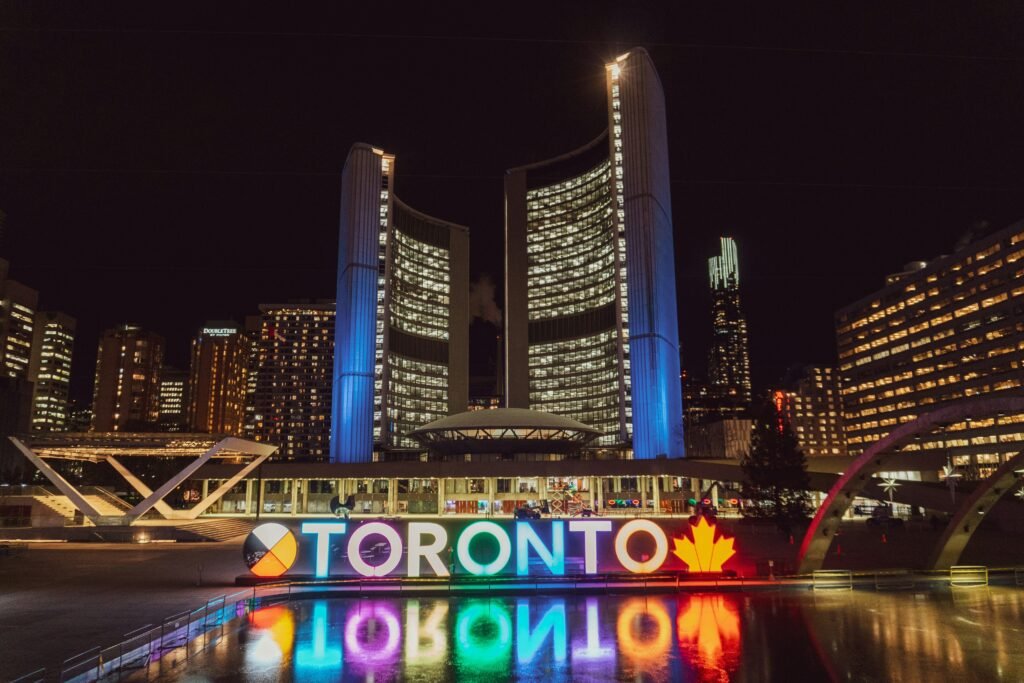
Toronto’s most famous attractions are worth visiting, but they represent only a small part of the city. The CN Tower, Ripley’s Aquarium, the Royal Ontario Museum and Nathan Phillips Square may appear on most visitor itineraries, while much of everyday Toronto unfolds in neighbourhood parks, independent cafés, public markets, ravines and community spaces.
If you want to explore Toronto like a local, you need to move beyond a checklist of major landmarks. Take public transit into unfamiliar neighbourhoods, walk without rushing, visit places where residents spend their weekends and allow the city’s ordinary rhythms to guide you.
Toronto is large, diverse and constantly changing. No single neighbourhood represents the entire city. The best way to understand it is to explore one area at a time and pay attention to the places between the major attractions.
Explore One Neighbourhood at a Time
Visitors often try to see several distant parts of Toronto in one day. That approach can leave you spending more time travelling than experiencing the city.
A more local way to explore Toronto is to choose one neighbourhood and spend several hours there. Walk along its main commercial street, then turn onto nearby residential streets. Visit a café, browse an independent shop, sit in a park and look for community landmarks that may not appear in conventional travel guides.
Toronto neighbourhoods have noticeably different personalities. Kensington Market feels different from the Beaches, while Roncesvalles offers a different experience from Leslieville, Yorkville or Little Jamaica.
Neighbourhoods worth exploring include:
- Kensington Market
- The Annex
- Little Italy
- Greektown
- Roncesvalles
- Leslieville
- The Junction
- Parkdale
- Little Portugal
- Koreatown
- Little India
- The Beaches
- Cabbagetown
- Bloor West Village
- St. Clair West
You do not need to visit all of them immediately. Exploring slowly allows you to notice the details that make each area distinct.
Use Public Transit to Discover More of the City
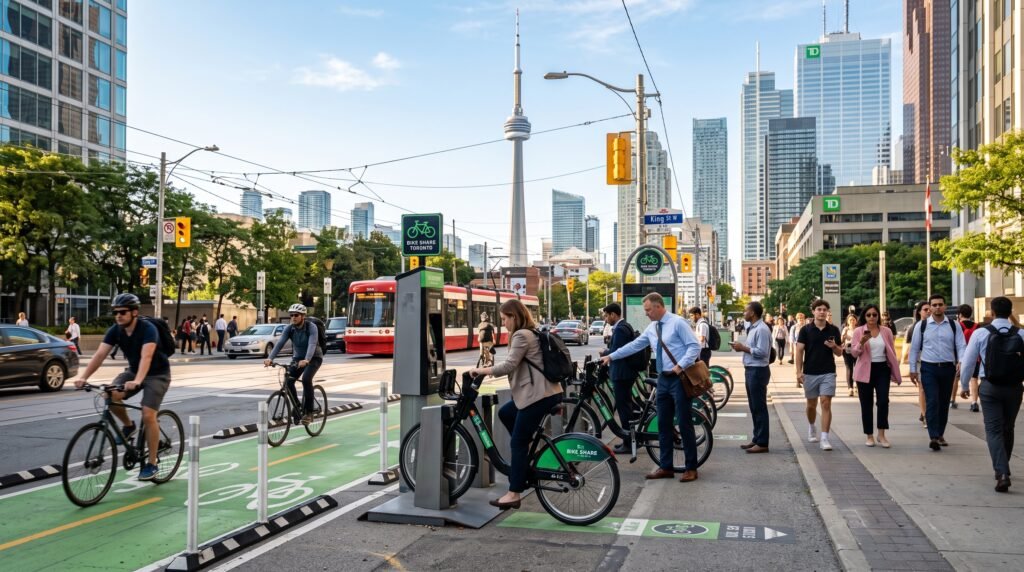
Driving directly from one attraction to another can prevent you from seeing how Toronto’s neighbourhoods connect. Using the TTC gives you a closer view of everyday life in the city.
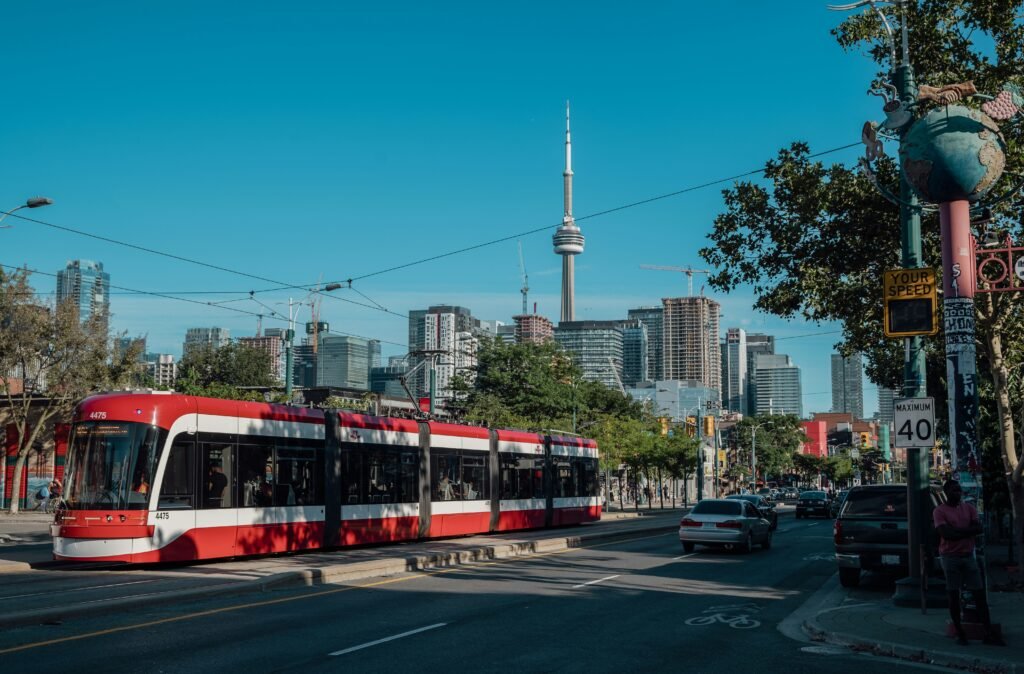
Subways are useful for travelling longer distances, but buses and streetcars often provide a better view of local streets. Routes along Queen Street, King Street, College Street, Dundas Street and St. Clair Avenue pass through several neighbourhoods with different shops, restaurants and public spaces.
You can get off when an area looks interesting, walk for a while and continue your journey later. Review the latest payment options and transfer rules on the official TTC fares and passes page before travelling.
Toronto is much larger than its downtown core. Use transit to explore parts of Scarborough, North York and Etobicoke rather than limiting every outing to the area around Union Station.
Walk Along Toronto’s Main Streets
Toronto is often best experienced on foot. Many neighbourhoods are organized around commercial streets where residents shop, eat, meet friends and complete everyday errands.
Instead of searching only for a specific attraction, choose a street and follow it for several blocks. Queen Street West, Ossington Avenue, Danforth Avenue, Roncesvalles Avenue, College Street and Bloor Street all change character as you move through different sections.
Walking reveals things you may miss from a car or subway, including murals, small bookstores, neighbourhood bakeries, older architecture and community noticeboards.
Do not focus exclusively on the busiest section of a street. Some of the most interesting local businesses and public spaces are found a few blocks beyond the most popular intersection.
Visit Public Markets
Markets are good places to experience Toronto’s food culture and observe how residents shop. St. Lawrence Market is the best-known example, but it is not the city’s only option.
Toronto has seasonal farmers’ markets, neighbourhood markets, community-led food markets and holiday markets. According to the City of Toronto, the city’s public-market network includes more than 160 community-based markets supporting thousands of entrepreneurs.
The City maintains an official directory of public markets in Toronto, although individual schedules may change with the season.
When visiting a market, take time to speak with vendors, look for Ontario-grown produce and try something made by a local business. Markets can also introduce you to neighbourhoods you may not otherwise think to explore.
Discover Toronto’s Ravines and Trails
Toronto may be known for its skyline, but the city also has an extensive system of ravines, river valleys and natural areas. Many residents use these spaces for walking, running, cycling and spending time away from busy streets.
Popular options include sections of the Don Valley trail system, Cedarvale Ravine, Glen Stewart Ravine, Humber River trails and routes connected to Taylor Creek Park.
The City of Toronto provides information about ravines, trails and natural parklands that can help you choose an appropriate route.
Conditions may vary with the weather and season. Wear suitable footwear, remain on marked paths and avoid removing plants or disturbing wildlife. Some trails feel surprisingly remote despite being located within the city, so check the route before leaving.
Spend Time Along the Waterfront
Toronto’s waterfront offers more than Harbourfront Centre and sightseeing cruises. Residents use the waterfront for walking, cycling, picnics, exercise and quiet breaks from the city.
You can explore the paths around the central waterfront, walk through the Toronto Music Garden or travel farther west toward Humber Bay. In the east, the Beaches and nearby waterfront areas offer boardwalks, parks and views of Lake Ontario.
The Toronto Islands provide another perspective on the skyline and contain beaches, picnic spaces and car-free paths. Ferry schedules and island conditions can vary, so check official information before planning your trip.
Do not try to cover the entire waterfront in one outing. Choose one section, bring water and allow time to stop along the way.
Experience Toronto Through Its Food
Toronto’s food scene is closely connected to its multicultural population. Exploring local food does not have to mean booking an expensive restaurant downtown.
Neighbourhood bakeries, family-run restaurants, food courts and small takeout counters can offer memorable meals at a range of prices. Scarborough, North York and Etobicoke are particularly important parts of Toronto’s food landscape and should not be overlooked.
Try a dish or cuisine you have not experienced before, but approach cultural food with respect. Ask questions politely, learn how the dish is traditionally served and avoid describing unfamiliar foods as strange.
A good local outing can be built around a simple meal followed by a walk through the surrounding neighbourhood. This often provides a more relaxed experience than travelling across the city for several highly advertised restaurants in one day.
Visit Independent Shops and Bookstores
Shopping like a local means looking beyond large malls and international chains. Toronto has independent bookstores, vintage clothing shops, record stores, specialty grocers and locally owned gift shops scattered across its neighbourhoods.
Independent businesses can reveal a great deal about an area. A bookstore may promote local authors, while a neighbourhood grocery store may carry ingredients connected to the surrounding community.
You do not need to purchase something everywhere you go. Browse respectfully, attend a public reading or workshop and consider supporting a small business when you find something useful.
Commercial streets change over time, so avoid relying entirely on old social-media lists. Check current opening hours before travelling specifically to visit one business.
Use the Toronto Public Library as a Local Resource
Toronto Public Library branches are not only places to borrow books. They host workshops, exhibitions, discussion groups, cultural programs and activities for children and adults.
Visiting different branches can also introduce you to neighbourhood architecture and local history. The Toronto Reference Library is well known, but smaller community branches often provide a stronger sense of the neighbourhoods they serve.
Adult library-card holders may also be able to reserve free passes to participating cultural attractions through tpl:map. Passes are limited and availability varies, so review the current rules before planning your visit.
A library card can be one of the most useful resources for anyone who wants to experience more of Toronto without spending heavily.
Attend Community Events
Large concerts and festivals receive the most attention, but smaller community events often provide a more local experience.
Look for neighbourhood street festivals, outdoor movie nights, art exhibitions, public lectures, farmers’ markets, cultural celebrations and events at libraries or community centres.
Community noticeboards and local social-media groups can help you discover activities that may not appear in major tourism guides. Business improvement areas also publish information about events happening along their commercial streets.
Confirm the date, location and admission requirements through an official organizer before attending. Outdoor events may be rescheduled or cancelled because of weather.
Enjoy Toronto’s Parks Like a Resident
Toronto parks are everyday gathering places. Residents use them for picnics, dog walking, sports, reading, exercise and meeting friends.
High Park and Trinity Bellwoods Park are widely known, but smaller neighbourhood parks can provide an equally enjoyable experience with fewer crowds. Riverdale Park East is popular for skyline views, while Christie Pits, Withrow Park and Dufferin Grove each have their own local atmosphere.
Bring a snack, sit on a bench or walk through the surrounding area. You do not always need a planned activity. Spending an unhurried hour in a park can tell you more about neighbourhood life than moving quickly between attractions.
Follow posted rules, dispose of waste properly and respect sports areas or spaces reserved for permitted activities.
Explore During Different Seasons
Toronto changes noticeably throughout the year. A neighbourhood that feels lively during a summer street festival may offer a completely different experience after snowfall.
Spring is a good time for park walks and neighbourhood exploration as patios and seasonal businesses reopen. Summer brings outdoor concerts, festivals, beaches and public markets. Autumn is ideal for ravine walks and local food markets, while winter offers skating, indoor cultural programs and quieter visits to popular areas.
Locals learn to adapt their activities to the weather rather than waiting for perfect conditions. Dress appropriately, check forecasts and have an indoor alternative when necessary.
Exploring during different seasons can help you understand what everyday Toronto life is actually like.
Avoid Planning Every Minute
Tourists often follow tightly scheduled itineraries because they want to see as much as possible. Locals usually have more flexible outings.
Choose one or two main destinations and leave space for unexpected discoveries. You might notice a small exhibition, find an interesting bakery or decide to continue walking through a nearby neighbourhood.
Toronto’s size makes delays possible, especially when travelling during busy periods or when transit service changes. A flexible plan reduces stress and gives you permission to spend more time somewhere you enjoy.
The goal is not to collect the largest possible number of locations. It is to experience the city at a comfortable pace.
Pay Attention to Everyday Toronto
Exploring like a local is less about finding secret places and more about changing how you experience familiar ones.
Take the streetcar instead of rushing underground. Walk through a residential street rather than staying on the main road. Visit a neighbourhood market, borrow something from the library or spend an afternoon beside the lake.
Speak politely with vendors, follow local rules and remain aware that the places you visit are part of someone else’s community.
As you explore more neighbourhoods, Toronto begins to feel less like a collection of attractions and more like a connected group of communities. That is when you start experiencing the city as residents do.
Frequently Asked Questions
What is the best way to explore Toronto like a local?
Choose one neighbourhood at a time and explore it on foot. Visit its main street, local park, independent businesses and nearby residential areas rather than travelling only between famous attractions.
Which Toronto neighbourhoods should first-time visitors explore?
Kensington Market, the Annex, Greektown, Roncesvalles, Leslieville, the Junction and the Beaches are useful starting points. However, the right neighbourhood depends on your interests and where you are staying.
Can you explore Toronto without a car?
Yes. The TTC connects most parts of the city through subways, buses and streetcars. Walking and cycling can also work well within individual neighbourhoods.
What are some free local activities in Toronto?
Walking through neighbourhoods, visiting parks, exploring ravine trails, spending time along the waterfront and attending certain library or community programs can all be free. Some attractions may also be available through the library’s tpl:map pass program.
Is downtown Toronto enough to understand the city?
No. Downtown contains many important attractions, but Toronto extends far beyond the central core. Exploring Scarborough, North York, Etobicoke and neighbourhoods outside the main tourist areas provides a broader view of the city.
Note: Places, programs, admission rules, operating hours and transit information may change. Check official websites and current local information before visiting an attraction, attending an event or planning a trip across Toronto.